
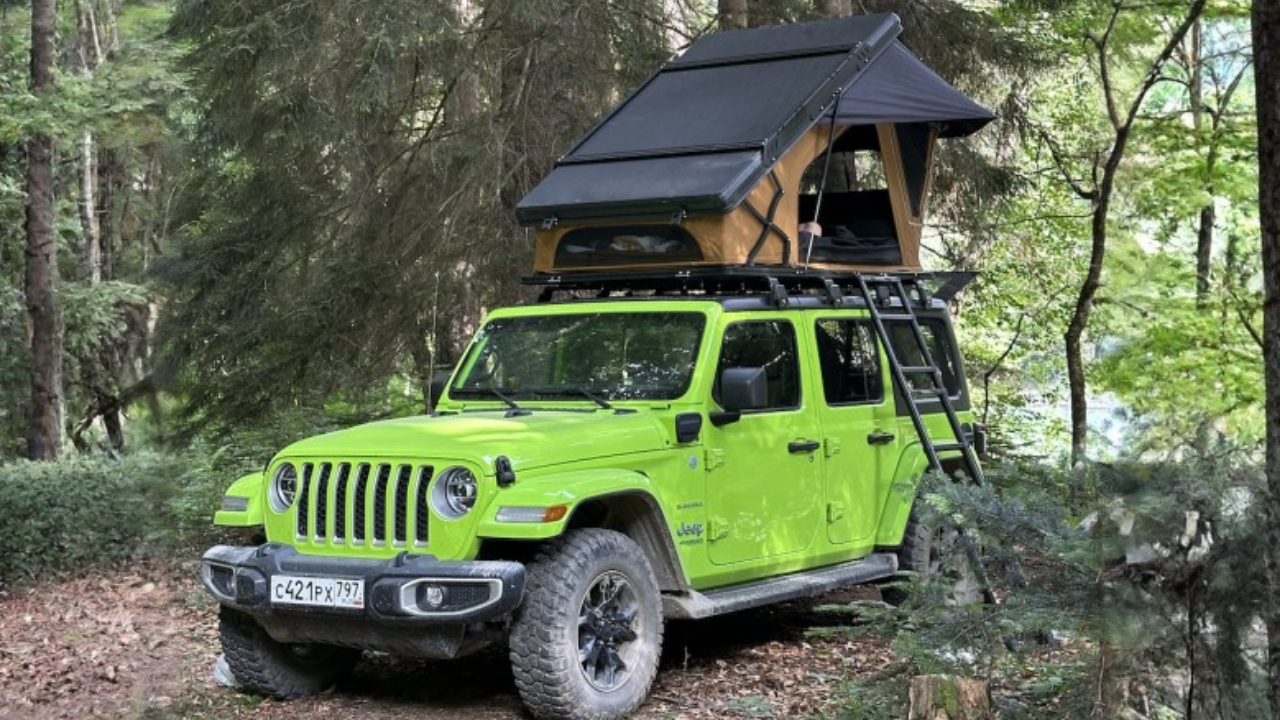
Overlanding has changed — and your setup should too.
What used to be a mix of random gear and DIY setups has evolved into something far more refined: clean systems, modular builds, and gear that actually works together. If you’ve been paying attention, the best setups all follow the same formula — and that’s exactly what this guide unpacks.
Not just a gear list. A system upgrade — built for Canadian weather, Canadian distances, and the Canadian overlander who’s done compromising.
This isn’t a gear list.
It’s a system upgrade.
01 Aluminum Truck Canopies
Stronger than fibreglass. Lighter than steel. Fully modular with side doors, roof hatches, and rack mounts. Built to handle Canadian freeze-thaw cycles without warping or fading.
Shop Canopies Canada →
02 Roof Platform Racks
Full-length mounting flexibility for rooftop tents, Jerry cans, awnings, and recovery gear. Engineered for load distribution on long-haul Canadian roads.
Shop Roof Racks Canada →
03 Overland Storage Boxes
Stackable, weatherproof, lockable. These aren’t tool boxes — they’re a system. Designed to interlock with canopy interiors and platform decks for zero wasted space.
Shop Storage Canada →
04 Retractable Tonneau Covers
Clean daily driver aesthetics with full security. Roll back in seconds for trail access. Compatible with most 2020–2026 Canadian-market truck beds.
Shop Tonneau Covers Canada →
05 Awnings — Real Weather Protection
270° wrap-around coverage. Rated for Canadian rain, wind, and UV. Deploy solo in under 60 seconds. This is camp infrastructure — not a picnic accessory.
Shop Awnings Canada →
The Full System
Every piece above is designed to work together. That’s the point. Stop building one component at a time and build a rig.
Explore Full Build Kits →
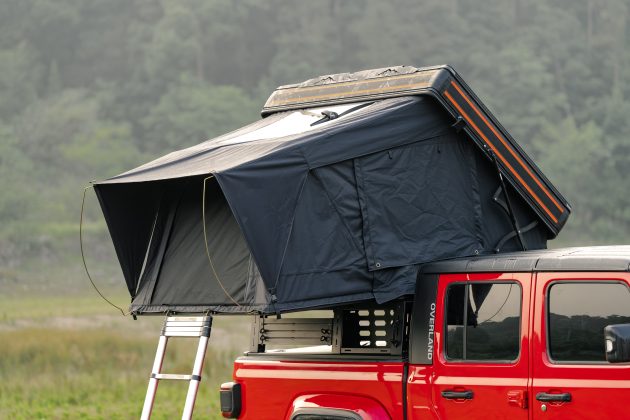
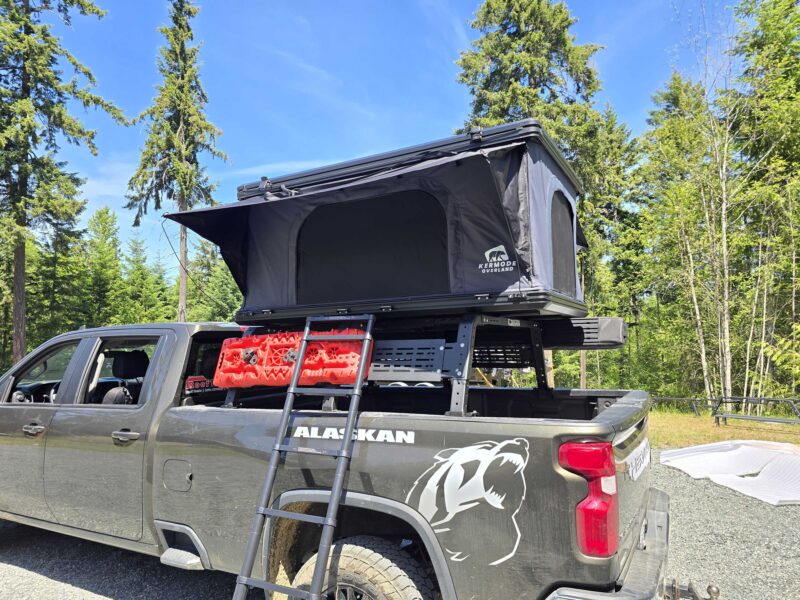
Build #1: The Modern Overland System
This is what overlanding in 2026 looks like — no wasted movement, no frustration, no compromises for Canadian conditions.
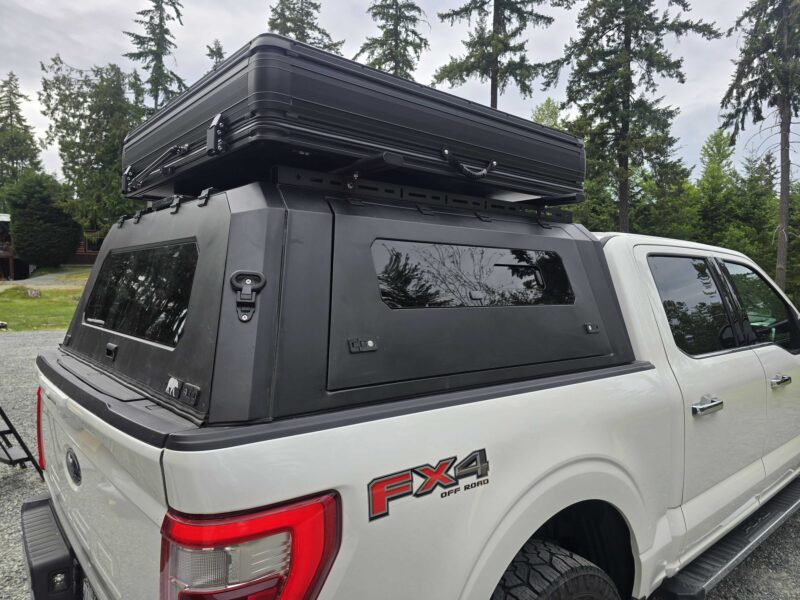
Aluminum Truck Canopy (New Drop)
The foundation of the build. Modular mounting points, dual side entry, roof hatch for ventilation. Weather-sealed to -40°C.
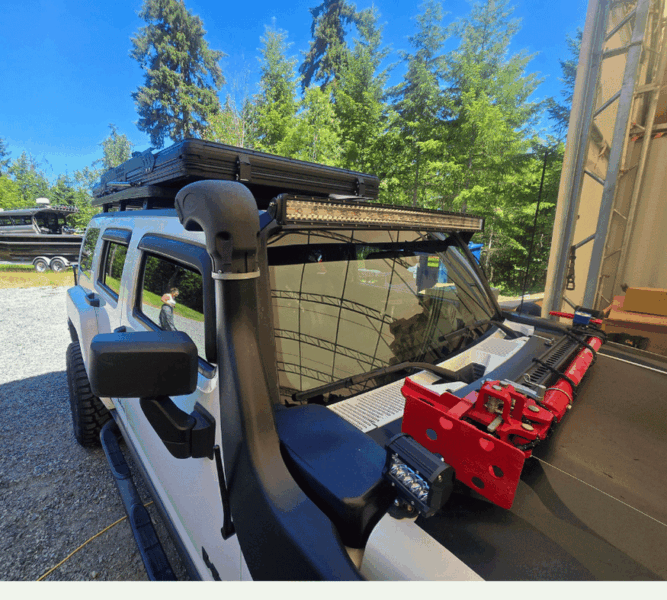
Roof Platform Rack System
Full-length deck with T-slot mounting rails. Carries up to 200kg static. Fits RTT, water tanks, recovery boards, or all of the above.
Rooftop Tent
Hard-shell for speed, soft-shell for weight. Both mount clean on the platform rack and stow fully in under 3 minutes.
270° Awning
Mounts directly to the canopy or rack rail. Three walls of protection. The only awning that makes sense for British Columbia rain or Prairie sun.
Stackable Storage Box System
Canopy interior turns into a drawer-and-box system. Fridge slides, gear slides, tool rolls — all organized, all accessible, all locked.
Why This Setup Works
Everything is protected, organized, and easy to access. No workarounds. No compromises. This is the formula the top Canadian overland rigs are running.
Build #2: The Lightweight Platform Setup
Setup Breakdown
A clean, efficient entry into overlanding — built for flexibility, simplicity, and weekend escapes.
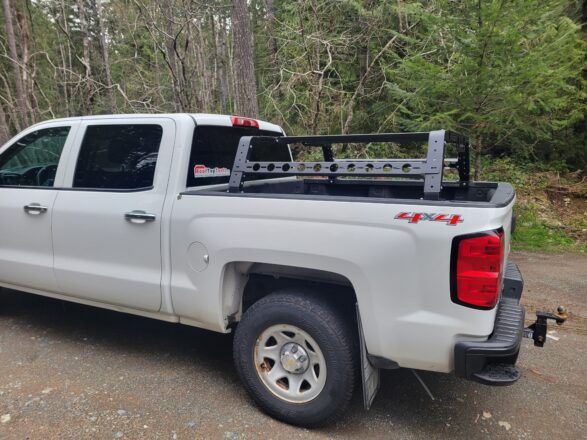
Roof Platform Rack System
The backbone of the setup. Lightweight, low-profile, and designed for direct mounting of tents and gear without unnecessary bulk.
Rooftop Tent
Soft shell or compact hard shell. Prioritizes weight savings and fast deployment for short trips and frequent movement.
Minimal Storage Setup
A few well-placed storage boxes or duffels. Keeps essentials organized without overbuilding the system.
Optional Awning
Adds quick shelter when needed. Lightweight coverage for sun and light rain without adding complexity.
Why This Setup Works
Simple, lightweight, and easy to manage. This setup strips overlanding down to the essentials — ideal for getting out more often without committing to a full build.
Build #3: The Work + Adventure Hybrid
A dual-purpose system built for daily utility and weekend escape — no compromise between work and travel.
Aluminum Truck Canopy (New Drop)
Secure, enclosed, and built for both tools and gear. Protects everything inside while doubling as a modular base for expansion.
Integrated Storage System
Separates tools from camping gear. Drawer systems, storage boxes, and slide-outs keep everything accessible and organized.
Optional Rack or Platform System
Mounted above the canopy for additional gear or rooftop tent compatibility when needed.
Optional Rooftop Tent
Transforms the work truck into a weekend-ready rig without permanent commitment to a full overland build.
Why This Setup Works
Built for real life. You get security, organization, and flexibility — a system that works Monday to Friday and disappears into the outdoors on the weekend.
Build #4: The Minimalist Tonneau Setup
Clean, low-profile, and built for everyday driving with just enough capability for weekend travel.
Retractable Tonneau Cover (New Drop)
Low-profile protection for your truck bed. Locks securely and rolls back in seconds for full access when needed.
Basic Storage System
Simple organization using storage boxes or gear bags. Keeps essentials contained and easy to access.
Optional Crossbars
Adds light mounting capability for bikes, small cargo, or limited rooftop gear.
Open Bed Flexibility
Maintains full usability of the truck bed without committing to a permanent structure.
Why This Setup Works
Minimal, clean, and practical. This setup keeps your truck versatile while still giving you the ability to travel, camp, and carry what you need.
Frequently Asked Questions
What is the best overland truck setup in Canada?
The best setup depends on how you use your truck. A full canopy-based system offers the most capability for long trips and harsh Canadian conditions, while lighter platform or tonneau setups are better for weekend use and daily driving.
Do I need a canopy for overlanding in Canada?
Not always — but for serious builds, a canopy provides weather protection, secure storage, and a strong foundation for racks, tents, and gear. It’s the most versatile option for Canadian conditions.
What’s better: canopy, rack, or tonneau cover?
Each serves a different purpose:
Canopy: best for full overland builds
Platform rack: lightweight and flexible
Tonneau cover: clean and simple for daily use
The right choice depends on your travel style.
How much does an overland truck setup cost in Canada?
Most builds fall into three ranges:
$2,000–$4,000 → basic setup
$4,000–$8,000 → mid-range system
$8,000–$15,000+ → full overland build
What setup is best for beginners?
A lightweight platform setup is the best starting point. It’s simple, cost-effective, and easy to upgrade into a full system over time.
Who This Is For
Built for serious Canadian overlanders.
Serious Overlanders
You’ve outgrown the random setup. You want a rig that performs as a system — not a collection of gear that almost works together.
Long-Distance Travelers
Northern Ontario to the Rockies. The Dempster. The Canol. These builds are engineered for multi-week expeditions without resupply.
Canadian Weather Conditions
Freeze-thaw, mud season, UV at altitude — this gear is spec’d for Canadian environmental extremes, not California weekend trips.
Build Your Setup the Right Way
Every great overland build starts with the right foundation.
Whether you’re keeping things simple or building a full system, the key is choosing components that work together — not against each other.
👉 Explore the gear behind these builds: