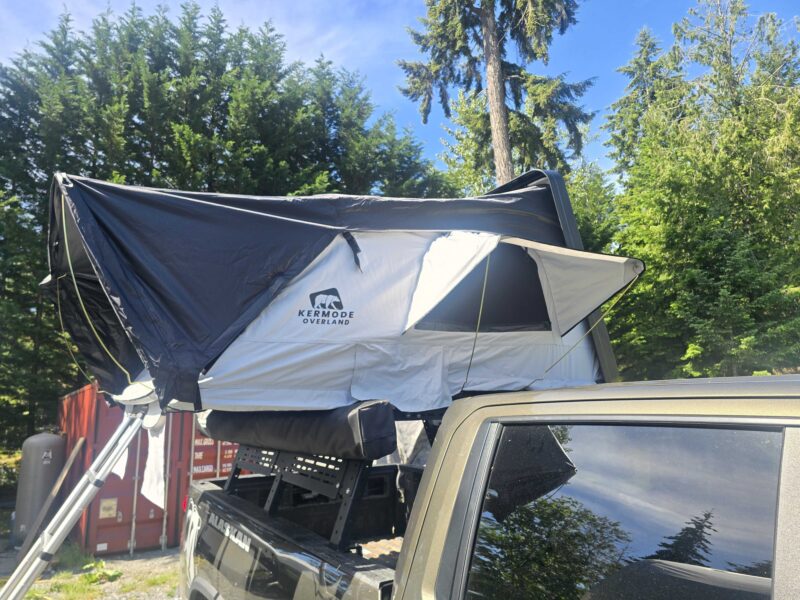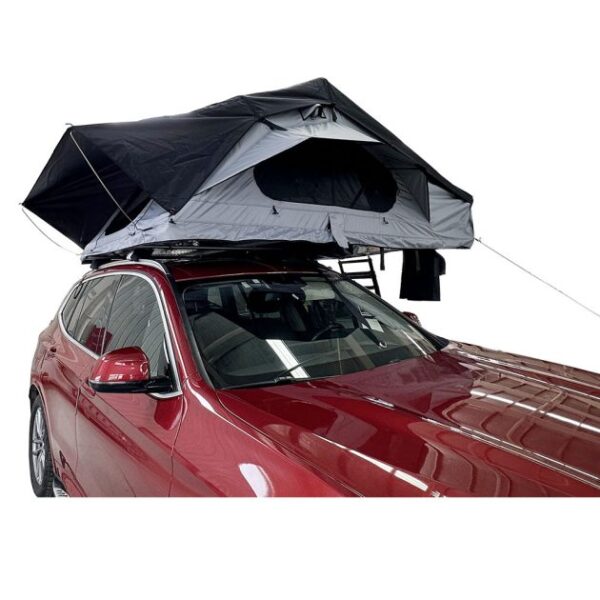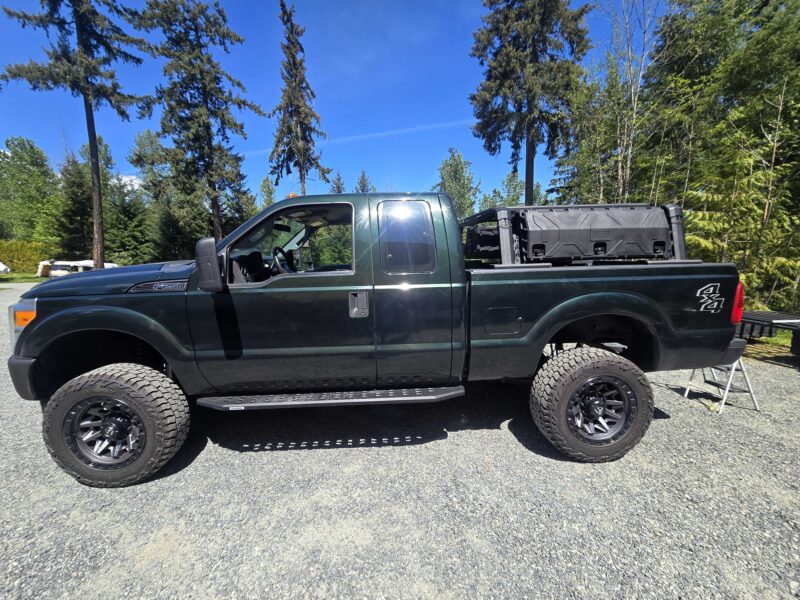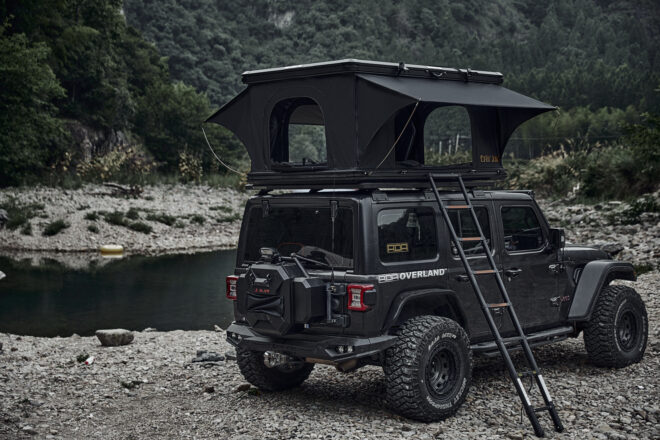


May is one of the most exciting months for rooftop tent camping in British Columbia.
The days are getting longer. The forests are greener. Lakeside campsites start calling again. Weekend road trips feel easier. And for overlanders across Vancouver Island, the Lower Mainland, the Sea to Sky, the Interior, and the Kootenays, May often feels like the real beginning of camping season.
But May in BC is not always simple.
It can feel like summer in the afternoon and early spring again by night. One valley can be warm and dry while the next forest road is wet, muddy, foggy, or still holding snow at higher elevations. Vancouver Island can bring mist, drizzle, and coastal humidity. Interior routes can shift quickly between sunshine, wind, and rain. Mountain roads can still have seasonal closures or rough spring conditions, so checking current road and recreation updates before leaving matters. DriveBC provides real-time road conditions, closures, webcams, and delay updates, while BC recreation sites and trails may close because of wildfire, flooding, wildlife interactions, or other restrictions.
That is why rooftop tent camping in BC during May requires a little more preparation than a simple summer campground trip.
A rooftop tent gives you major advantages in wet weather. You sleep off the ground, stay away from puddles and mud, and can set up faster than many ground tents. But to get the most out of your setup, you need to think about rain direction, airflow, condensation, ladder placement, awning coverage, storage, campsite drainage, and how your whole overland rig performs in damp backcountry conditions.
This guide will walk you through how to set up your rooftop tent for BC backcountry camping in May, with a special focus on spring camping rain, wet weather overlanding, and practical Vancouver Island camping tips.
Why May Camping in BC Requires Extra Planning
May is a shoulder-season month in British Columbia. It is not deep winter, but it is not peak summer either.
For overlanders, this creates a mix of opportunity and risk.
On the positive side, May usually means fewer crowds than July and August, cooler sleeping temperatures, greener landscapes, flowing rivers, and beautiful spring scenery. Vancouver Island’s shoulder season, generally March to May and September to November, is often promoted for its milder conditions and quieter outdoor experience.
However, May also brings unpredictable weather. Rain is common in many parts of coastal BC, especially on Vancouver Island and around forested coastal routes. Nights can still feel cold, especially near lakes, rivers, mountains, or shaded campsites. Higher elevations may still have snow, soft ground, washouts, or restricted access.
For rooftop tent campers, this matters because weather affects every part of the trip:
- Where you park
- How you angle your vehicle
- How you deploy your awning
- How you manage wet gear
- How you ventilate the tent
- How you pack bedding
- How you dry the tent after the trip
- How your truck, Jeep, or SUV handles muddy roads
A rooftop tent is an excellent choice for wet BC camping, but only when it is set up with the conditions in mind.
Start With the Right Campsite Location
The best rain-ready rooftop tent setup starts before you even open the tent.
It starts with where you park.
In dry summer weather, you may choose a campsite based on the view. In May, you also need to choose based on drainage, wind direction, ground firmness, and access.
Look for a site that is:
- Slightly elevated
- Firm enough to support your vehicle
- Away from obvious puddles
- Not sitting in a low drainage area
- Clear of dead branches or unstable trees
- Positioned away from strong wind exposure
- Accessible if rain worsens overnight
Avoid parking in dips, ruts, wet grass, soft mud, or low spots where water can collect. Even though your rooftop tent keeps you off the ground, your vehicle still needs stable ground beneath it. If the soil gets softer overnight, you do not want to wake up with your tires sitting in mud.
This is especially important on Vancouver Island, where spring rain can leave campsites damp even when the sky clears. Forested areas may stay wet longer because shade slows drying.
A beautiful lakeside spot might look perfect, but if the ground is saturated, the better choice may be a slightly higher area with better drainage.
Level Your Vehicle Before Opening the Tent
A rooftop tent is only as comfortable as the vehicle underneath it.
Before you open the tent, check whether your vehicle is level from front to back and side to side. Sleeping on a slope can make even the best rooftop tent feel uncomfortable. It can also affect how rain runs off the tent fabric or hard shell.
Use levelling blocks, rocks, or a more even parking position if needed. Always prioritize safety and stability. Do not balance your vehicle in a way that feels sketchy just to get a perfect sleep angle.
For rain, a slight intentional angle can sometimes help water shed away from your ladder or entry point. The goal is not to create a steep tilt, but to avoid water pooling in awkward areas.
If possible, position the tent entrance so it is protected from the strongest wind and rain. In coastal BC, wind-driven rain can make a big difference. A small change in parking direction can make your tent feel much drier and more comfortable.
Inspect Your Rooftop Tent Before the First May Trip
Before heading into the BC backcountry, open your rooftop tent at home and inspect it fully.
Do not wait until you are at camp in the rain to discover a stuck zipper, damp mattress, loose bracket, or damaged seal.
Check:
- Tent fabric
- Rainfly
- Seams
- Stitching
- Zippers
- Mesh windows
- Mattress
- Ladder
- Hinges
- Gas struts
- Mounting brackets
- Base rails
- Shell latches
- Weather seals
If the tent was stored over winter, look for condensation, mildew, stale odours, or moisture inside the mattress. Let everything air out completely.
For hard shell rooftop tents, inspect the rubber seals around the shell. Make sure they are not cracked, compressed, loose, or dirty. Seals are especially important in BC rain because wind can push moisture into small gaps.
For soft shell rooftop tents, check the travel cover carefully. If the cover leaks during highway driving, the tent may already be damp before you arrive at camp.
This is also a good time to check your rack or crossbar mounting hardware. Road vibration, winter temperature changes, and repeated use can loosen bolts over time.
Make Sure Your Rack System Is Rain-Season Ready
Your rooftop tent depends on your rack system.
Whether your tent is mounted to a truck bed rack, roof rack, platform rack, or canopy crossbars, the structure needs to be solid before wet weather trips.
A May truck bed rack inspection should include:
- Mounting bolts
- Clamps
- Crossbars
- T-slot hardware
- Brackets
- Powder coating
- Rust-prone areas
- Rooftop tent attachment points
- Awning brackets
- Accessory mounts
Wet roads and gravel routes can create extra vibration. Mud and moisture can also hide early signs of corrosion or loosened hardware.
If your setup includes a rooftop tent, awning, recovery boards, storage boxes, and lighting, you are carrying a lot of mounted gear. Make sure the rack is properly rated for the load and that every accessory is securely attached.
This is not just about protecting your gear. It is about safety.
A loose rack or shifting rooftop tent can damage your vehicle, create noise, reduce stability, and become dangerous at highway speeds.
Use Your Awning Strategically in Wet Weather
An awning is one of the most useful pieces of wet weather overlanding gear.
In BC spring rain, your awning becomes more than shade. It becomes your outdoor living room, gear-drying area, cooking shelter, and entry protection.
When setting up your awning in rain, think about water flow. Do not set it perfectly flat. Give it a slight angle so rain can run off instead of pooling on the fabric.
A rain-loaded awning can sag, stretch, or even fail if water collects in the middle. This is especially important during steady overnight rain.
Use guy lines and stakes even if the weather seems calm. Coastal weather can shift quickly, and wind can pick up around lakes, beaches, or exposed clearings.
Set your awning so it protects the rooftop tent ladder and entrance if possible. This makes a huge difference when getting in and out of the tent with wet boots, jackets, or gear.
If you have walls or an awning room, May is a great time to use them. They can create a dry transition space, which helps keep the tent interior cleaner and drier.
Create a Dry Entry System
One of the biggest challenges with rooftop tent camping in rain is managing the entry point.
Your ladder, shoes, jacket, and hands may all be wet before you climb into the tent. Without a system, moisture quickly gets inside.
Set up a simple dry entry routine:
- Keep a small towel near the tent entrance
- Store wet shoes outside but under cover
- Use a boot bag or waterproof bin
- Keep rain jackets under the awning
- Wipe the ladder steps if they become slippery
- Use a small mat at the ladder base
- Keep bedding away from the doorway
If your rooftop tent has a small overhang or covered entrance, use it fully. If not, position your awning to create that protection.
For Vancouver Island camping, where light rain and mist can last for hours, this habit matters. A little moisture tracked inside repeatedly can make bedding feel damp by morning.
Ventilation Is Critical in BC Rain
Many campers assume that staying dry means closing every window, vent, and opening.
That is a mistake.
In wet weather, ventilation is one of the most important parts of rooftop tent comfort. Without airflow, your breath and body heat create condensation inside the tent. This can make the walls, windows, and even bedding feel damp.
In May, when nights are cool and humidity is high, condensation can happen quickly.
To reduce condensation:
- Keep upper vents slightly open
- Use rain-protected windows if available
- Avoid breathing directly into closed fabric walls
- Do not store wet clothing inside the sleeping area
- Keep bedding away from tent walls
- Use an anti-condensation mat under the mattress if needed
- Air out the tent during dry breaks
A rooftop tent can handle rain well, but it still needs airflow. The goal is to keep rain out while letting moisture escape.
If your tent has window awnings, prop them open slightly. If it has roof vents, use them. If you are camping under tree cover, remember that dripping branches can continue long after the rain stops, so position openings carefully.
Protect Your Bedding From Damp Conditions
Your sleeping system is what makes or breaks a rainy camping trip.
In BC May weather, even a good tent can feel uncomfortable if your bedding gets damp.
Before leaving, pack bedding in waterproof bags or bins. Do not assume your vehicle interior, canopy, or storage box is fully dry unless you have tested it.
Recommended bedding setup for May rooftop tent camping:
- Warm sleeping bag or insulated quilt
- Extra blanket
- Moisture-resistant pillow storage
- Dry sleep clothes
- Wool socks
- Waterproof stuff sacks
- Small towel for condensation
- Backup base layer
Avoid going to bed in the same clothes you wore around camp if they are even slightly damp. Change into dry sleep layers.
Also avoid overpacking bedding inside the closed rooftop tent if it prevents the tent from sealing properly. Many campers like to store bedding inside the tent, but in wet climates, you need to make sure nothing interferes with closure or creates pressure points where water could enter.
Plan for Mud, Not Just Rain
Spring camping rain in BC often means mud.
Mud affects your tires, recovery gear, campsite access, footwear, storage, and cleanup.
Before heading into the backcountry, make sure you have:
- All-terrain tires in good condition
- A working air compressor
- Tire deflator
- Recovery boards
- Shovel
- Rated recovery points
- Tow strap or kinetic rope
- Gloves
- Waterproof boots
- Floor mats or ground mat
- Trash bags for wet gear
Do not drive deeper into a muddy area just because your vehicle has four-wheel drive. In spring conditions, soft ground can worsen quickly, and turning around may become difficult.
If a road looks too soft, rutted, washed out, or narrow, stop and reassess. BC Parks advises visitors to plan and prepare for safe adventures, including checking conditions, carrying essential supplies, and being aware of hazards before heading out.
A good overlander knows when to keep going and when to choose a safer campsite.
Watch for Seasonal Road Conditions
May is not peak summer access season in many BC backcountry areas.
Some forest service roads, mountain routes, and recreation access roads may still be affected by snow, washouts, fallen trees, or seasonal closures. In some districts, certain resource roads have seasonal motorized closures into mid-May or until conditions allow access.
Before your trip, check:
- DriveBC
- Recreation site alerts
- Local district updates
- Weather forecasts
- Snow levels
- Fire restrictions
- Recent trail or road reports
- Local overlanding groups
- Park notices
Do not assume a route is open because it was accessible last summer.
May conditions can vary dramatically depending on elevation, shade, drainage, and recent weather. A lower coastal campsite may be perfectly accessible while a higher inland route remains blocked or muddy.
For rooftop tent campers, this matters because you need a safe, level, legal place to park overnight.
Pack for Rain Even When the Forecast Looks Good
BC weather can change quickly.
Even if the forecast looks mostly dry, pack as if rain is likely.
Your rain-ready camping kit should include:
- Waterproof jacket
- Rain pants
- Waterproof boots
- Extra socks
- Quick-dry layers
- Tarp
- Extra guy lines
- Extra stakes
- Microfiber towels
- Dry bags
- Waterproof storage bins
- Spare clothes
- Headlamp
- Camp mat
- Garbage bags
- Small brush for mud
- Fire-safe cooking setup
For May, layers are key. You may have warm daytime weather and cold overnight temperatures. Cotton clothing is not ideal in wet conditions because it stays damp. Choose moisture-wicking and insulating layers.
A simple tarp can also be very useful. Even with a rooftop tent and awning, a tarp can create extra shelter for cooking, gear storage, or a dry walkway.
Keep Your Cooking Area Safe and Dry
Rain changes how you cook at camp.
You may be tempted to cook closer to the tent or vehicle, but safety still comes first. Always use stoves in well-ventilated areas and never cook inside a rooftop tent.
Set up your kitchen under an awning or tarp, with enough airflow and stable ground.
Keep:
- Stove dry
- Fuel protected
- Lighter or matches in waterproof storage
- Food sealed
- Cooking tools organized
- Trash secured
- Water nearby
- Wildlife-safe storage in mind
In BC, wildlife awareness matters. Food, garbage, cooking grease, and scented items should be stored properly. BC Parks highlights the importance of preventing dangerous wildlife encounters when camping and spending time outdoors.
A clean camp is safer, more respectful, and better for the next camper.
Manage Wet Gear Before It Takes Over Your Vehicle
Wet weather overlanding can quickly become messy if you do not have a gear system.
Create separate zones for:
- Dry bedding
- Wet clothing
- Muddy footwear
- Cooking gear
- Recovery gear
- Trash
- Clean clothes
- Electronics
Use waterproof bins or soft storage bags. Label them if needed.
A common mistake is tossing wet jackets, muddy boots, and towels into the vehicle without a plan. By day two, everything feels damp.
For rooftop tent camping, your vehicle is your storage room. Keep it organized so you are not digging through wet gear in the rain.
A canopy, cargo box, or drawer system can make this much easier, especially for trucks. For SUVs and Jeeps, stackable bins and waterproof bags help keep gear contained.
Dry Your Rooftop Tent Properly After the Trip
This is one of the most important parts of rooftop tent maintenance in Canada.
If you pack your tent wet, you need to dry it as soon as possible after the trip.
Do not leave a damp rooftop tent closed for days.
Moisture can lead to:
- Mildew
- Odours
- Fabric staining
- Mattress dampness
- Rust on hardware
- Seal deterioration
- Zipper problems
When you get home, open the tent fully during a dry window. Remove bedding if needed. Let air circulate through the tent until all fabric, seams, corners, and mattress areas are completely dry.
If the weather stays rainy, open it under a covered area if possible.
This one habit can extend the life of your rooftop tent significantly.
Vancouver Island Camping Tips for May
Vancouver Island is one of the best places in Canada for shoulder-season overlanding, but it has its own conditions to respect.
Here are practical Vancouver Island camping tips for May:
Expect Moisture Even Without Heavy Rain
Coastal humidity, mist, fog, and tree drip can make gear damp even when it does not rain heavily.
Avoid Low, Boggy Ground
Many forested areas hold water. Choose firm, elevated ground whenever possible.
Watch for Narrow Roads
Some access roads can be tight, rough, or affected by washouts. Drive carefully, especially with a rooftop tent adding height.
Bring Bug Protection
As temperatures warm, bugs may become more active near lakes, marshes, and slow-moving water.
Check Local Conditions
Conditions can vary between Nanaimo, Tofino, Campbell River, Port Alberni, Cowichan Valley, and the North Island.
Pack for Cool Nights
Even if the day feels warm, nights can still be chilly in May, especially near water or under heavy tree cover.
Respect Local Rules
Check recreation site notices, fire regulations, parking rules, and access restrictions before you go.
Fire Safety Still Matters in Spring
Many people associate campfire bans with July and August, but conditions can change earlier depending on weather.
Even in May, check current fire restrictions before having a campfire. BC’s recreation alerts and provincial wildfire information are important to review before camping, especially when conditions shift quickly between rain, dry periods, and wind. Recreation sites can also be affected by wildfire or flooding closures.
If fires are allowed, keep them small, controlled, and fully extinguished. Never leave a fire unattended.
Always carry a stove so you can cook even if fires are restricted.
Rain-Ready Rooftop Tent Setup Checklist
Before leaving:
- Inspect tent fabric, seams, zippers, and seals
- Check rack and tent mounting hardware
- Pack bedding in waterproof storage
- Bring rain layers and extra dry clothes
- Check road, weather, and recreation alerts
- Confirm fire restrictions
- Test awning and guy lines
- Pack recovery gear
- Bring towels and dry bags
- Check tire condition and pressure
At camp:
- Choose firm, elevated ground
- Avoid low drainage areas
- Level the vehicle
- Face the tent entrance away from wind-driven rain
- Angle the awning for runoff
- Stake down awning and guy lines
- Create a dry shoe and jacket zone
- Keep vents open for airflow
- Store wet gear outside the sleeping area
- Keep food and scented items secure
After the trip:
- Open and dry the tent fully
- Air out the mattress
- Clean mud from ladder and base
- Check for new leaks or wear
- Dry awning fabric before storing
- Clean and repack recovery gear
- Inspect rack hardware again
- Restock towels, bags, and dry layers
Common Mistakes to Avoid
Mistake 1: Closing Every Vent
This traps condensation and makes the inside feel damp.
Mistake 2: Parking in a Low Spot
Even with a rooftop tent, your vehicle can still end up surrounded by water or stuck in soft ground.
Mistake 3: Leaving the Tent Wet After the Trip
This is one of the fastest ways to create mildew and odour problems.
Mistake 4: Forgetting the Ladder Area
The ladder is your doorway. If it is exposed to rain and mud, your tent interior will suffer.
Mistake 5: Trusting the Forecast Too Much
BC spring weather can shift quickly. Always pack for rain.
Mistake 6: Ignoring Rack Hardware
Your rooftop tent is only secure if the rack system is secure.
Choosing Gear That Works for BC Weather
For BC rooftop tent camping, choose gear that supports real wet-weather use.
Look for:
- Durable rooftop tent fabric
- Strong rainfly coverage
- Reliable seals
- Easy ventilation
- Solid ladder design
- Strong mounting hardware
- Compatible rack systems
- Weather-resistant awnings
- Waterproof storage boxes
- Recovery gear suited for mud
- Practical lighting for rainy nights
The goal is not to build the most expensive rig. The goal is to build a reliable, organized, weather-ready setup that makes camping easier.
For Vancouver Island and coastal BC, waterproof storage and ventilation are especially valuable. For Interior or mountain routes, recovery gear and changing elevation conditions may become more important.
A good setup should match where you actually camp.
Final Thoughts: May Is the Perfect Time to Dial In Your Setup
May is one of the best months to prepare your rooftop tent camping system for the BC backcountry.
It gives you a chance to test your gear before peak summer, enjoy quieter campsites, and build confidence in wet conditions. But it also requires respect for spring weather, soft roads, cool nights, and unpredictable rain.
A rooftop tent can make BC camping more comfortable, especially when the ground is wet. But the tent is only one part of the system. Your rack, awning, storage, bedding, recovery gear, campsite choice, and post-trip maintenance all matter.
Before heading out, take the time to inspect your setup, plan for rain, and pack with BC conditions in mind.
When your rooftop tent is dry, your awning is secure, your bedding is protected, and your gear is organized, May camping becomes a lot more enjoyable.
Instead of fighting the weather, you are ready for it.
And that is what good overlanding is all about.
Planning a BC rooftop tent camping trip this spring?
Make sure your setup is ready before the rain hits. Explore rooftop tents, truck bed racks, awnings, storage gear, and overlanding accessories built for Canadian backcountry conditions, so your next Vancouver Island or BC adventure starts with confidence.