
Overlanding Setups — Cars, SUVs & Crossovers
Turn Your Daily Driver Into a
Capable Overland Build
From a weekend-ready RAV4 to a fully equipped Outback expedition rig,
here’s how to build it step by step without overcomplicating it.
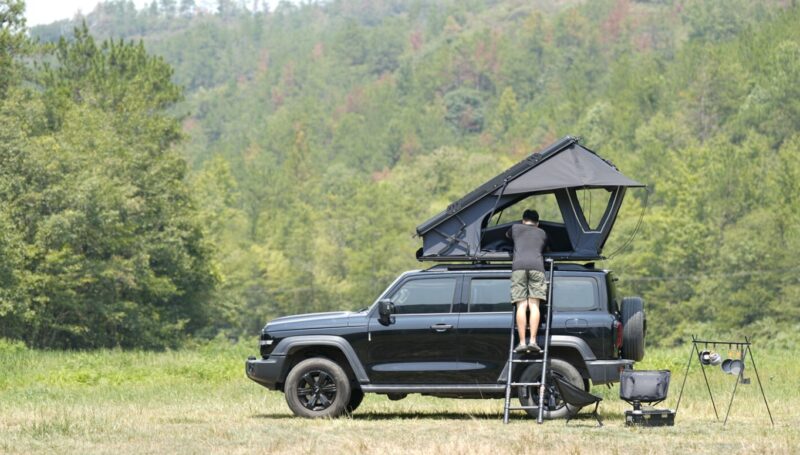
Overlanding with a car, SUV, or crossover is one of the smartest ways to get into adventure travel. You do not need a truck to start. With a solid roof rack
or cross bars, the right rooftop tent, and a few well-chosen accessories, you can turn a vehicle you already own into a capable camping platform.
This guide breaks down four proven setup tiers, from a minimal weekend rig to a full extended-trip build. For each one, you will see the core gear, estimated
budget ranges in CAD, the kinds of vehicles it fits best, and what to shop first.
- Toyota RAV4
- Subaru Outback
- Toyota 4Runner
- Subaru Forester
- Honda CR-V
- Ford Bronco Sport
- Jeep Grand Cherokee
- Mazda CX-5
Hyundai Tucson
Kia Sportage
Nissan Pathfinder
Volkswagen Tiguan
Setup 1
Basic Weekend Setup
Estimated build cost: $900 – $1,800 CAD
Honda CR-V, Mazda CX-5, Hyundai Tucson, Kia Sportage, Subaru Forester — vehicles with a dynamic roof load rating of 75 kg or more and a factory cross bar
What You Need
Cross bars or entry-level roof rack
Softshell rooftop tent (2-person)
Basic bedding — sleeping bag rated for your season
Small cargo bag or roof-mounted storage
Camp lighting (string lights or lantern)
Why It Works
Lowest barrier to entry in overlanding
Camp setup in under 10 minutes
Vehicle stays practical for daily driving
Budget-friendly — start small, add over time
Works on most vehicles already on the road
Setup 2
Family Adventure Setup
Estimated build cost: $2,500 – $4,500 CAD
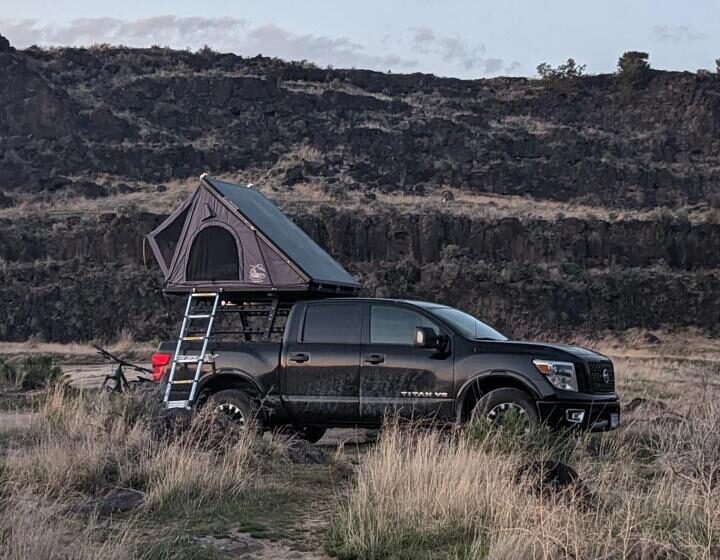
Toyota RAV4, Toyota 4Runner, Ford Bronco Sport, Jeep Grand Cherokee, Nissan Pathfinder, Volkswagen Tiguan — mid-size and full-size SUVs with higher roof load ratings (typically 100+ kg with an aftermarket rack) and more interior volume to carry family gear below.
What You Need
Roof rack (full-length recommended)
Family-size rooftop tent (3-person or larger)
270° or side-mount awning
Roof-mounted or rear storage box
Portable cooler or 12V fridge
Folding camp table and cooking setup
Why It Works
Shade and weather cover at camp
Gear stays organized and accessible
Cold food storage makes longer weekends possible
Kids and adults sleep comfortably off the ground
Vehicle interior stays clean and functional
Setup 3
Extended Trip Setup
Estimated build cost: $5,000 – $8,500 CAD
Toyota 4Runner, Subaru Outback Wilderness, Jeep Grand Cherokee, Ford Bronco Sport Badlands — vehicles with genuine off-road capability, a strong aftermarket rack ecosystem, and ideally a dual-battery or deep-cycle power setup for the fridge and lighting.
- Full roof rack (high load capacity)
- 4-season rooftop tent
- Full-length or 270° awning
- Modular storage boxes or cargo system
- 12V compressor fridge (not a cooler)
- Portable power station or dual-battery setup
- Recovery kit (traction boards, hi-lift jack, tow strap)
- Water container and portable camp kitchen
- Keeps food cold for 5–10 days without resupply
- Power for lights, devices, and accessories
- Recovery gear for remote Canadian backcountry
- 4-season tent handles Kananaskis spring nights
- Fully self-sufficient without a truck build
- Modular — add or remove gear by trip type
Setup 4
Daily Driver Low-Profile Setup
Estimated build cost: $900 – $1,600 CAD
Mazda CX-5, Honda CR-V, Subaru Forester, Volkswagen Tiguan, Hyundai Tucson — compact crossovers where keeping the overall roofline height manageable is a daily priority (think underground parking, city driving, garage access).
- Low-profile cross bars or slim rack
- Compact hardshell rooftop tent
- Compact side awning (optional)
- Small weatherproof storage bag
- Rechargeable camp lantern
- Fits standard parkades and home garages
- Better fuel economy than taller builds
- Hardshell tent opens in under 60 seconds
- Easy to live with between trips
- Great first build — scale up when ready
Why It Makes Sense
Why Start With the Vehicle You Already Own
The most common mistake in overlanding is thinking you need a truck before you can start. The reality is that the vast majority of Canadian overlanders — weekend campers, Kananaskis regulars, Coquihalla road-trippers, Algonquin backcountry campers — run crossovers and SUVs. They’re lighter, more fuel-efficient on the highway, and in many cases genuinely capable off pavement with the right tires and a bit of ground clearance.
More importantly, building around a vehicle you already own is the fastest path to actually camping. Cross bars can go on in a few hours. A rooftop tent can ship to your door this week. You don’t have to wait for the right truck or the right budget — you can start this season and build from there.
These setups are also designed to grow. Every product in every tier above is additive — you’re not buying the wrong thing when you start with Setup 1. You’re buying the foundation. Add an awning in the fall, a fridge next spring. The gear works together, and so does the investment.
Built for Canadian Adventures
Where These Setups Get Used
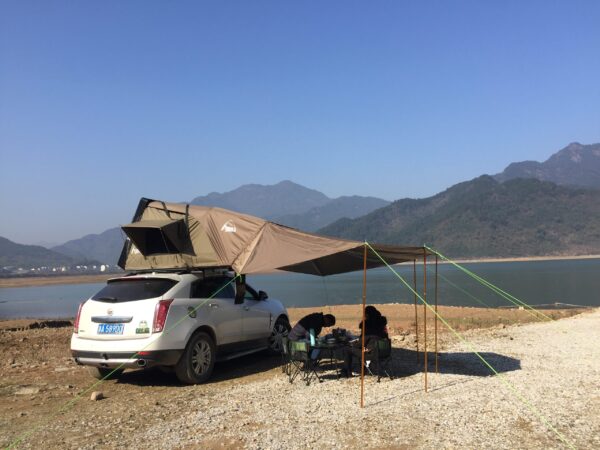
Crossover and SUV builds handle the most popular overlanding destinations in Canada. Here’s what to expect at each one.
Kananaskis, AB
Variable weather year-round. A 4-season tent is worth it. High-clearance gravel roads are manageable for most AWD crossovers.
Coquihalla Corridor, BC
A mix of highway camps and forest service roads. Great for the extended setup — fridge and awning earn their keep on longer BC runs.
Algonquin Park, ON
Maintained road access with beautiful backcountry sites. The basic weekend or family setup is perfect for this kind of destination.
Gatineau Park, QC
Accessible from Ottawa or Montreal — great for first-timers. A crossover with a low-profile tent build handles everything here.
Cape Breton, NS
Coastal camping with ocean views. The family setup with an awning is ideal for Atlantic coast weather and extended Maritime road trips.
Yukon & Northern BC
Serious remote travel. Extended setup with recovery gear, a compressor fridge, and a 4-season tent is the right call for distances this big.
Frequently Asked Questions
Start Building Your Setup Today
Whether you want a simple weekend rig or a fully equipped expedition crossover, Kermode Overland has everything you need — and ships across Canada.
→ Shop Rooftop Tents
→ Explore Awnings
→ Browse Cross Bars
→ View Storage
→ Lighting & Power
→ Portable Fridges
→ Recovery Gear
Also in This Series
Aluminum Truck Canopies
Transforms your truck into a secure, all-weather adventure platform — ready for everything from weekend camping to full remote expeditions.
Truck Bed Rack Setup Guide
Four modular bed rack builds for Tacoma, F-150, Ranger, and more.
Tonneau Cover + Rooftop Tent
Low-profile daily-driver builds with a rack-compatible tonneau cover.