
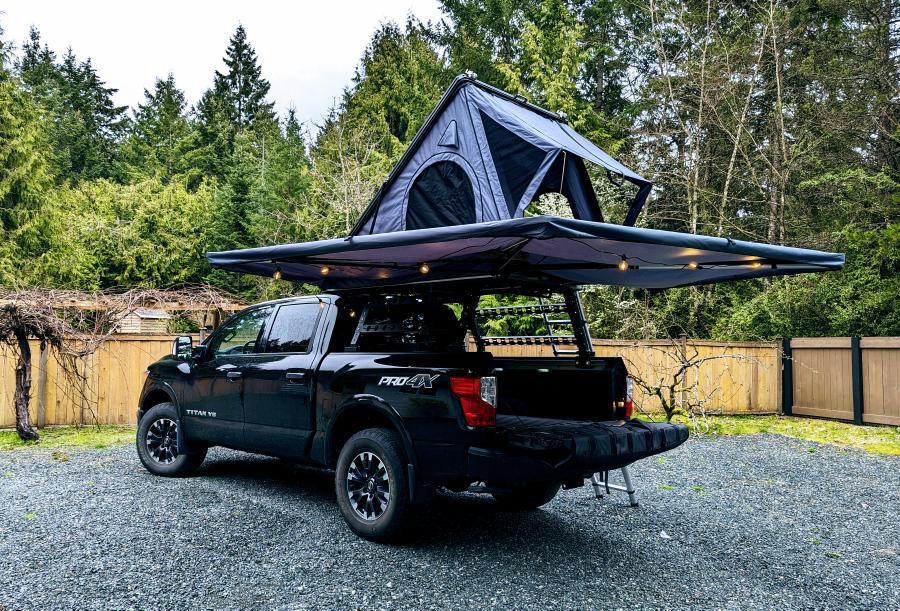
Make the Most of Canada’s First Long Weekend of Summer
Victoria Day weekend marks the unofficial start of camping season across Canada. With three days of freedom (May 17-19, 2025), thousands of overlanders will be hitting backcountry roads, setting up rooftop tents, and chasing adventure from the Pacific coast to the Atlantic shores.
But here’s the challenge: May weather in Canada is unpredictable. You might encounter sunshine on the coast, snow in the Rockies, and everything in between. The key to a successful Victoria Day overland trip isn’t just about destination—it’s about preparation, the right gear, and choosing routes that match May’s unique conditions.
This guide covers seven of the best rooftop tent camping routes across Canada, specifically selected for Victoria Day weekend conditions. Whether you’re based in BC, Alberta, Ontario, or the Maritimes, you’ll find actionable route information, campsite recommendations, and essential gear considerations for May camping.
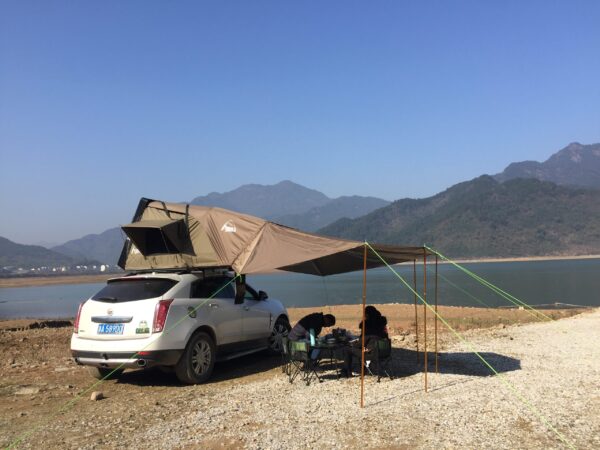
Why Victoria Day Weekend is Perfect for Rooftop Tent Camping
The Timing Advantage
Victoria Day falls in mid-May, offering several advantages for overlanders:
- Longer daylight hours: You’ll have 14-16 hours of daylight depending on your location, maximizing exploration time
- Shoulder season pricing: Many campgrounds haven’t hit peak summer rates yet
- Fewer crowds: School isn’t out, so popular destinations are less congested
- Wildlife viewing: Spring migration and breeding seasons make for exceptional wildlife encounters
- Wildflower blooms: Lower elevations showcase spectacular wildflower displays
The Weather Reality
May camping in Canada requires realistic expectations. Coastal BC might see 15°C days with rain, while the Rockies could dip below freezing overnight. Interior BC and the Prairies offer the most stable conditions, with daytime temperatures typically ranging from 12-20°C.
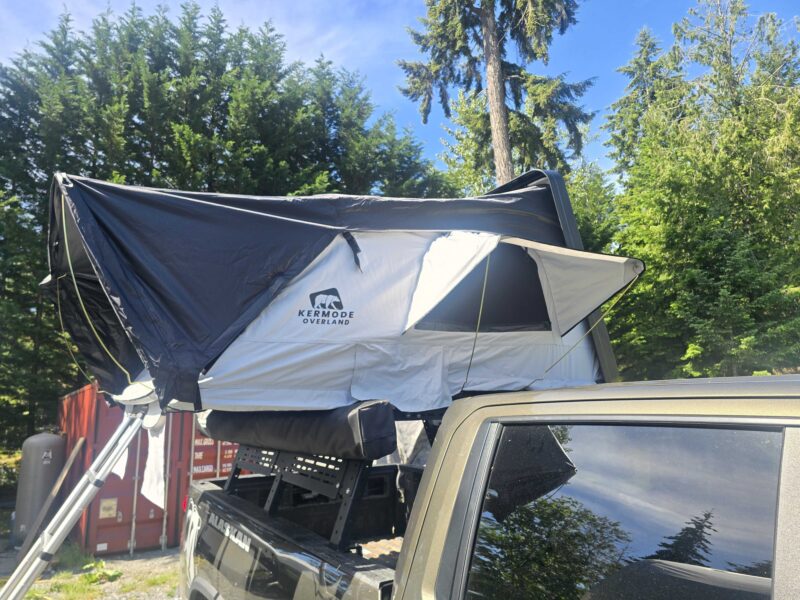
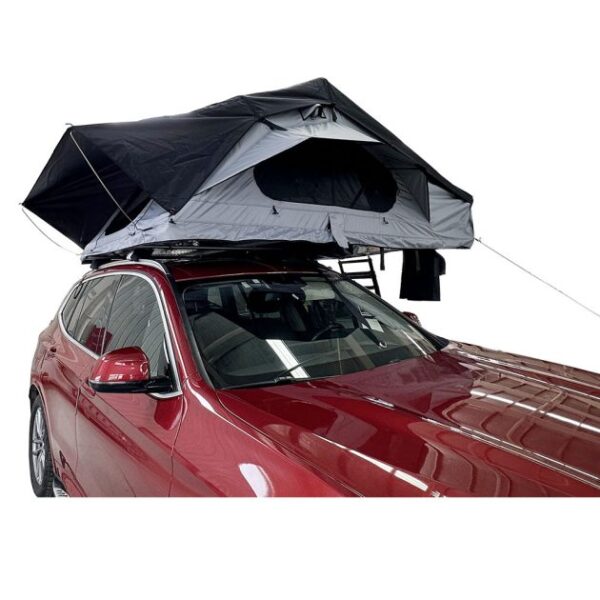
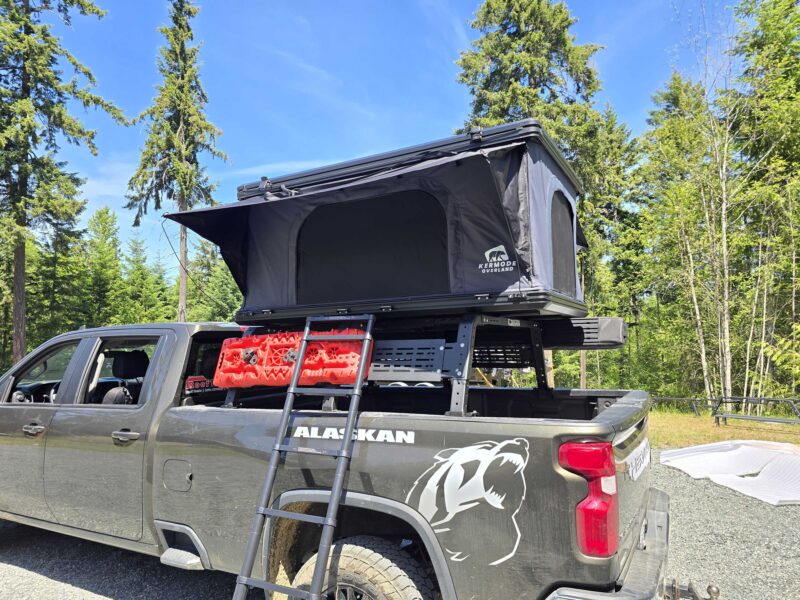
Pro tip: A quality rooftop tent with proper insulation and rain fly makes all the difference during unpredictable May weather. Hard shell tents set up in under 60 seconds—crucial when weather turns quickly.
Route #1: The Sea-to-Sky Corridor, British Columbia (3-Day Loop)
Distance: 450 km
Difficulty: Easy to Moderate
Best for: First-time overlanders, families, photography enthusiasts
The Route
Starting from Vancouver, this iconic route takes you through Squamish, Whistler, Pemberton, and Lillooet before returning via the Duffey Lake Road. The diversity of landscapes—from coastal rainforest to alpine meadows to desert canyon country—makes this one of Canada’s most rewarding short overland trips.
Day 1: Vancouver to Whistler via the Sea-to-Sky Highway (120 km)
Day 2: Whistler to Lillooet via Pemberton and Duffey Lake Road (160 km)
Day 3: Lillooet to Vancouver via Highway 99 and Fraser Canyon (170 km)
Camping Recommendations
- Alice Lake Provincial Park (Squamish): Four lakes, easy hiking trails, excellent for families. Book ahead—this one fills up fast even in May.
- Joffre Lakes Recreation Site (near Pemberton): First-come, first-served. Arrive before noon on Friday for weekend spots.
- Cayoosh Creek Campground (Lillooet): Remote, spacious sites perfect for rooftop tent setups with stunning canyon views.
May Conditions & Gear Notes
The Sea-to-Sky sees significant rainfall in May (150-200mm average). Expect wet conditions, particularly around Squamish and Whistler.
Essential gear:
- Waterproof rooftop tent rain fly (non-negotiable)
- 270-degree awning for dry outdoor living space
- Traction boards (Duffey Lake Road can have lingering snow patches)
- Portable fridge to avoid repeated trips to town
Victoria Day specific: The May long weekend often coincides with Squamish’s climbing season opening. Expect climbers at Alice Lake and Joffre Lakes. Arrive early for prime camping spots.
Route #2: The Icefields Parkway, Alberta (4-Day Out-and-Back)
Distance: 600 km round trip
Difficulty: Moderate
Best for: Mountain enthusiasts, wildlife photographers, bucket-list adventurers
The Route
Widely considered one of the world’s most scenic drives, the Icefields Parkway connects Jasper and Lake Louise through the heart of the Canadian Rockies. May offers a unique sweet spot—roads are open, but summer crowds haven’t arrived.
Day 1: Calgary to Lake Louise (185 km)
Day 2: Lake Louise to Jasper via Icefields Parkway (230 km)
Day 3: Explore Jasper area (100 km of day trips)
Day 4: Return to Calgary via Jasper and Icefields Parkway (415 km—long day, plan accordingly)
Camping Recommendations
- Two Jack Lakeside Campground (Banff): First-come, first-served. Stunning lake views, rooftop tent-friendly sites.
- Columbia Icefield Campground (along the Parkway): Primitive camping with jaw-dropping glacier views.
- Wabasso Campground (Jasper): Well-maintained, close to town, excellent wildlife viewing.
May Conditions & Gear Notes
May in the Rockies is unpredictable. Daytime temperatures range from 5-15°C, with overnight lows often dropping to -5°C. Snow is common above 2,000m elevation.
Essential gear:
- Four-season sleeping bags rated to -10°C minimum
- Insulated rooftop tent mattress pad (consider upgrading from standard foam)
- Portable propane heater (safe for use in hard shell tents with proper ventilation)
- Bear spray and secure food storage
- Recovery gear (tow straps, shovel) for potential snow/mud
Victoria Day specific: Parks Canada’s Discovery Pass requirement begins Victoria Day weekend. Purchase in advance ($145.25 for annual family pass—pays for itself if you camp more than 7 days annually).
Wildlife alert: May is calving season for elk and moose. Give animals wide berth, especially mothers with young. Early morning wildlife viewing along the Parkway is exceptional but requires patience and respect.
Route #3: Vancouver Island West Coast Explorer (3-Day Loop)
Distance: 520 km
Difficulty: Easy
Best for: Ocean lovers, surf culture, old-growth forest enthusiasts
The Route
Vancouver Island’s west coast offers a completely different vibe from mainland BC. Expect coastal rainforest, Pacific surf culture, and some of Canada’s most dramatic ocean scenery.
Day 1: Nanaimo to Tofino via Port Alberni (195 km)
Day 2: Explore Tofino, Pacific Rim National Park, and local beaches (50 km of day trips)
Day 3: Tofino to Nanaimo via Cathedral Grove and Parksville (195 km)
Camping Recommendations
- MacMillan Provincial Park (Cathedral Grove): Old-growth rainforest camping. Sites are basic but the forest is otherworldly.
- Pacific Rim National Park – Green Point Campground: Ocean-front camping. Extremely popular—book the second reservations open.
- Rathtrevor Beach Provincial Park (Parksville): Family-friendly, tidal pools, massive beach perfect for kite flying and exploring.
May Conditions & Gear Notes
West coast Vancouver Island receives 150-250mm of rain in May. The upside? Waterfalls are spectacular, forests are lush, and storm-watching can be incredible.
Essential gear:
- Heavy-duty rain fly and annex room for rooftop tent
- Wetsuit or drysuit for coastal activities (water temps still 8-10°C)
- Portable camp kitchen with awning coverage (you’ll cook in the rain)
- Quick-dry clothing and waterproof storage solutions
Victoria Day specific: Tofino transforms during long weekends. Restaurant reservations recommended. Campsite bookings open months in advance—if you’re reading this close to the weekend, have backup camping options.
Local knowledge: Surf conditions in May can be excellent but cold. Ukee (Ucluelet) is less crowded than Tofino and offers equally stunning coastal access with more available camping.
Route #4: The Cabot Trail, Nova Scotia (4-Day Loop)
Distance: 460 km
Difficulty: Moderate (steep grades, tight corners)
Best for: Coastal scenery, Celtic culture, seafood enthusiasts
The Route
Cape Breton Island’s Cabot Trail is consistently ranked among the world’s most scenic coastal drives. May offers migrating whales, blooming lupines, and significantly fewer tour buses than summer months.
Day 1: Halifax to Baddeck (400 km—position yourself for the loop)
Day 2: Baddeck to Chéticamp via west coast (100 km, all day with stops)
Day 3: Chéticamp to Ingonish via Cape Breton Highlands (120 km, all day with hiking)
Day 4: Ingonish to Baddeck (90 km) then return to Halifax (400 km)
Camping Recommendations
- MacLeod’s Beach Campground (Baddeck): Lakefront sites, excellent amenities, rooftop tent-friendly.
- Chéticamp Campground: Walk to Acadian village, close to Cape Breton Highlands National Park entry.
- Broad Cove Campground (near Ingonish): Ocean views, whale watching from your campsite, rustic but stunning.
May Conditions & Gear Notes
Maritime weather is notoriously fickle. May temperatures range from 8-16°C with regular fog and drizzle. Wind is constant along exposed sections of the trail.
Essential gear:
- Wind-resistant awning setup (270-degree awnings can be problematic in Maritime winds)
- Layers for rapidly changing temperatures
- Seafood cooking gear (portable grill, cast iron, lobster pot if you’re ambitious)
- Hiking boots with good traction (trails can be muddy)
Victoria Day specific: Cape Breton’s Celtic culture shines during Victoria Day weekend. Check for local kitchen parties, pub music, and community events in Baddeck, Chéticamp, and Ingonish.
Bonus adventure: Book a whale-watching tour from Pleasant Bay or Bay St. Lawrence. May is prime time for pilot whales, and occasional minke and humpback sightings.
Route #5: Kananaskis Country, Alberta (3-Day Loop)
Distance: 380 km
Difficulty: Moderate to Challenging
Best for: Off-roading, hiking, avoiding National Park crowds and fees
The Route
Kananaskis Country offers Rockies scenery without the Banff crowds. May conditions can be variable, but the payoff is solitude, excellent trails, and underrated camping.
Day 1: Calgary to Spray Lakes area via Highway 40 South (150 km)
Day 2: Explore Kananaskis backcountry, hiking, Barrier Lake (100 km of exploration)
Day 3: Return to Calgary via Bragg Creek and Highway 22 (130 km)
Camping Recommendations
- Spray Lakes West Recreation Area: Primitive camping with stunning mountain lake views. Free, first-come basis.
- McLean Creek Recreation Area: Popular with off-roaders, extensive trail network, family-friendly.
- Elbow Valley Campground: Well-maintained, close to hiking trails, good for mixed groups.
May Conditions & Gear Notes
Higher elevation areas may still have snow. Check Alberta Parks road condition updates before departure. Daytime temps 5-15°C, overnight often below freezing.
Essential gear:
- All-terrain or mud-terrain tires (trails can be extremely muddy in spring)
- Full recovery kit (winch or recovery boards, tow straps, D-rings)
- Bear-resistant food storage
- Cold-weather camping gear (see Icefields Parkway recommendations)
Victoria Day specific: May long weekend is popular with Calgary’s off-road community. McLean Creek can get busy—arrive Thursday evening for best site selection. Spray Lakes area remains quieter due to more primitive conditions.
Trail conditions: Highway 40 through Highwood Pass typically opens mid-June. In May, you’ll need to approach from the north. Confirm current closures before departure.
Route #6: Algonquin Provincial Park Circuit, Ontario (3-Day Loop)
Distance: 420 km
Difficulty: Easy to Moderate
Best for: Canoe camping, wildlife photography, Ontario cottage country experience
The Route
Algonquin Park is Ontario’s crown jewel for backcountry camping. While famous for canoe routes, the park’s drive-in campgrounds are excellent for rooftop tent setups, especially in May’s shoulder season.
Day 1: Toronto to Algonquin Park via Huntsville (280 km)
Day 2: Explore Highway 60 corridor, hiking, wildlife viewing (80 km of exploration)
Day 3: Return to Toronto via Haliburton Highlands (240 km)
Camping Recommendations
- Mew Lake Campground: Open year-round, rooftop tent-friendly, access to excellent hiking.
- Canisbay Lake Campground: Larger sites, beautiful lake access, good for families.
- Rock Lake Campground: More remote, quieter, spectacular lake views.
May Conditions & Gear Notes
May in Algonquin means black fly season is beginning (peaks late May/early June). Temperatures range 10-20°C daytime, 0-8°C overnight.
Essential gear:
- Bug netting for rooftop tent and awning areas (critical)
- Insect repellent with DEET 30%+
- Layered clothing for variable temperatures
- Bear hang system or bear canisters for food storage
- Canoe roof rack if you want to explore backcountry lakes
Victoria Day specific: Algonquin’s Victoria Day weekend is legendary for moose viewing. Early morning drives along Highway 60 between km 0-40 offer best sightings. Arrive at viewing areas by 6:00 AM for prime opportunities.
Photography note: Spring in Algonquin means vibrant greens, mirror-like lakes, and exceptional wildlife. Bring telephoto lens (300mm minimum) for moose, loons, and beaver photography.
Route #7: The Okanagan Valley, British Columbia (3-Day Loop)
Distance: 440 km
Difficulty: Easy
Best for: Wine enthusiasts, warm weather seekers, desert landscapes
The Route
The Okanagan offers Canada’s best May weather—warm, dry, and ideal for camping. Combine wine touring, lake activities, and unique desert ecosystems.
Day 1: Kelowna to Osoyoos via Naramata and Penticton (140 km)
Day 2: Explore Osoyoos, Anarchist Mountain, Oliver wine country (100 km of touring)
Day 3: Osoyoos to Kelowna via Vernon and Kalamalka Lake (200 km)
Camping Recommendations
- Haynes Point Provincial Park (Osoyoos): Desert camping, warm lake swimming, spectacular sunsets.
- Okanagan Lake Provincial Park (Summerland): Large sites, excellent facilities, central location.
- Ellison Provincial Park (Vernon): Quieter, beautiful lake access, great hiking.
May Conditions & Gear Notes
The Okanagan is Canada’s warmest camping destination in May. Expect 20-28°C days, 8-15°C nights. Minimal rain.
Essential gear:
- Sun protection (shade awning, SPF 30+, hats)
- Lake recreation gear (paddleboard, kayak, fishing equipment)
- Lighter sleeping bags (0°C rating sufficient)
- Propane grill (fire bans often in effect even in May)
- Extra water storage (some recreation sites have limited water)
Victoria Day specific: The Okanagan is a popular long weekend destination for Alberta and Lower Mainland residents. Book campgrounds early. Wine touring is excellent—many wineries open for the season during Victoria Day weekend.
Local secret: The Kettle Valley Rail Trail offers spectacular cycling and hiking with minimal crowds in May. Access points from Penticton, Naramata, and Myra Canyon (near Kelowna).
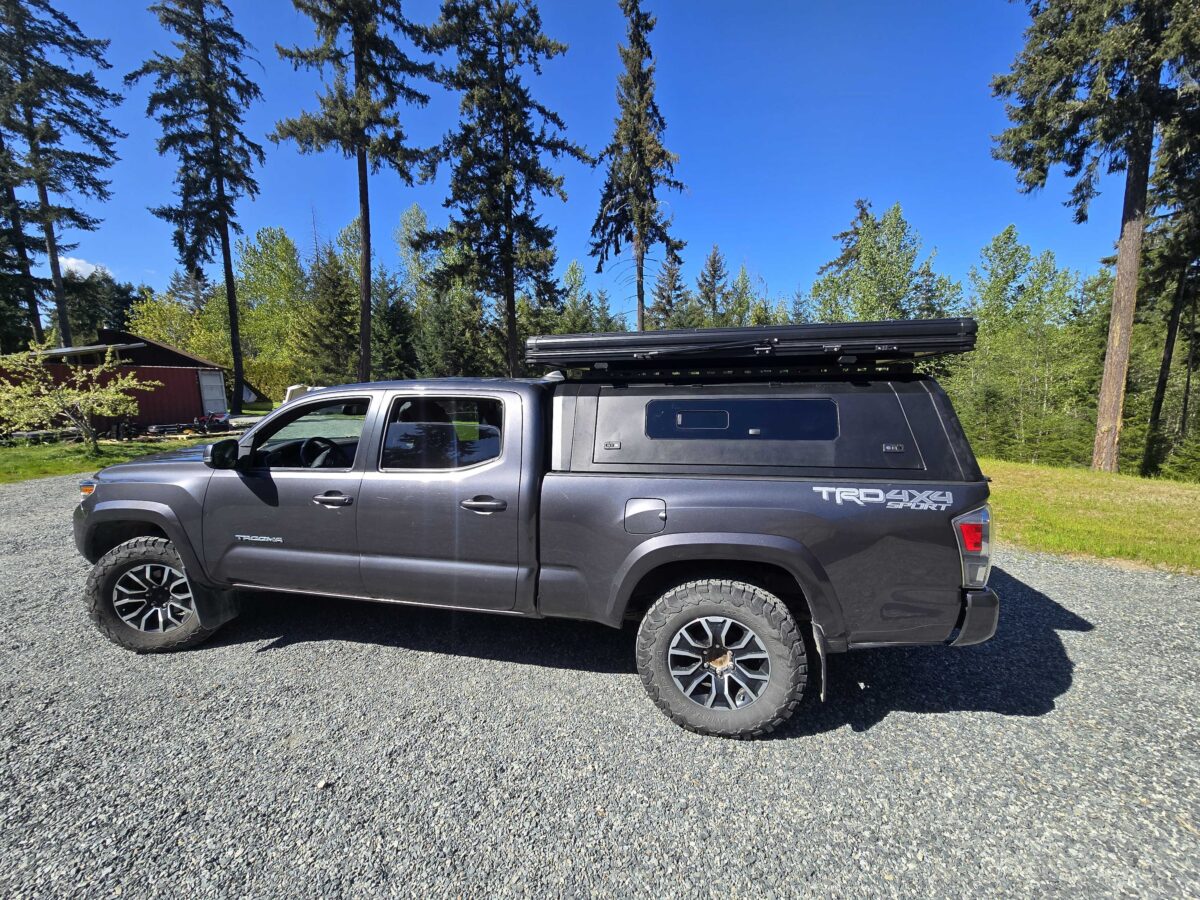
Essential Rooftop Tent Camping Gear for Victoria Day Weekend
Regardless of which route you choose, certain gear is essential for May camping in Canada:
Rooftop Tent Must-Haves
Hard shell vs. soft shell considerations:
- Hard shell tents set up faster (critical in rain or wind)
- Soft shell tents offer more interior space and better ventilation
- May weather favors hard shell for weather resistance and ease
Key features for May camping:
- High-density foam mattress with R-value 5+ for insulation
- Full rain fly coverage with proper tensioning
- Condensation management (roof vents, breathable fabrics)
- Easy-access ladder (wet rungs can be slippery—look for wide, textured steps)
Sleep System Upgrades
- Sleeping bags: 0°C to -10°C rating depending on route elevation
- Mattress pad: Insulated pad under rooftop tent mattress adds 10-15°F warmth
- Sleeping bag liner: Adds 10-15°F warmth, easier to wash than sleeping bag
Weather Protection
- 270-degree awning: Provides covered outdoor space for cooking and relaxation during rain (critical for coastal routes)
- Annex room: Extends living space, provides gear storage out of elements
- Tarp or ground cloth: Protects ground under vehicle, creates dry zone for camp tasks
Camp Kitchen Essentials
- Portable fridge/freezer: Keeps food fresh for entire trip, eliminates ice mess, maintains beer at perfect temperature
- Two-burner camp stove: Propane preferred for reliability in wet conditions
- Cast iron skillet: Versatile cooking tool, improves with use, perfect for campfire cooking
- Collapsible dish system: Saves space, organizational game-changer
Power Solutions
- Portable power station: Charges devices, powers lights, runs small appliances
- Solar panel: 100W minimum for phone/camera charging and power station top-up
- LED camp lighting: Battery-powered strips for rooftop tent, awning, and camp area
Recovery & Safety
- Traction boards: Essential for muddy conditions, sand, or unexpected snow
- Recovery straps and D-rings: Self-recovery or helping others
- First aid kit: Comprehensive kit for remote camping
- Satellite communicator: InReach or SPOT device for areas without cell coverage (most of these routes)
Victoria Day Weekend Camping Etiquette & Leave No Trace
May camping coincides with sensitive wildlife seasons and early vegetation growth. Practice these principles:
Wildlife Respect
- Bear country protocols: All seven routes pass through bear habitat. Store food in vehicle or bear-resistant containers. Never leave food in rooftop tents.
- Nesting season awareness: Birds and ground-nesting wildlife are active. Stay on established trails.
- Distance guidelines: 100m from bears, 30m from deer/elk, 200m from dens or nests.
Environmental Impact
- Campfire regulations: Many areas restrict fires in May due to dry conditions. Check current restrictions before departure.
- Waste management: Pack out everything you pack in. Human waste requires proper disposal 200m from water sources.
- Water source protection: Never wash dishes or yourself directly in lakes/streams. Use biodegradable soap 50m from water.
Community Consideration
- Noise levels: 11 PM quiet time in most campgrounds. Respect neighboring campers.
- Site selection: Don’t drive onto fragile vegetation. Use established campsites when available.
- Booking ethics: Don’t block-book sites you don’t need. Release unused reservations for others.
Route Planning Tools & Resources
Weather & Road Conditions
- Drive BC (British Columbia): Real-time road conditions, closures, webcams
- 511 Alberta: Highway conditions, construction, mountain pass status
- Parks Canada: National park conditions, wildlife alerts, road status
- Provincial park websites: Individual park conditions, camping availability
Mapping & Navigation
- Gaia GPS: Offline maps, trail overlays, campsite locations
- iOverlander: Crowd-sourced camping locations, reviews, GPS coordinates
- Avenza Maps: Free topographic maps, offline navigation
Camping Reservations
- Discover Camping (BC): Provincial park bookings open 4 months in advance
- Alberta Parks Reservations: Opens in January for full season
- Ontario Parks Reservations: Opens 5 months ahead for most parks
- Parks Canada Reservations: Opens in January for summer season
Making the Most of Three Days: Time Management Tips
Victoria Day weekend is short. Maximize your adventure with these strategies:
Friday Departure Timing
- Leave Thursday evening: Beat weekend traffic, arrive Friday morning refreshed
- Friday lunch departure: Compromise option, arrive Friday evening with some daylight
- Friday rush avoidance: If leaving Friday, depart before 2 PM or after 7 PM to avoid peak traffic
Efficient Camp Setup
- Pre-pack systems: Organize gear in clear bins labeled by function (kitchen, sleep, tools)
- Rooftop tent advantages: 5-minute setup means more time exploring, less time on camp chores
- Arrival routine: Set up tent, start dinner prep, then relax—don’t try to explore first evening
Maximizing Exploration
- Early starts: Wildlife viewing, photography, and trail access are best 6-9 AM
- Midday flexibility: Warmest time for lake activities, relaxing at camp, gear maintenance
- Evening routine: Dinner prep by 6 PM allows time for sunset viewing, campfire, stargazing
Your Victoria Day Adventure Awaits
Victoria Day long weekend offers a unique opportunity to experience Canadian wilderness during a spectacular transition season. Whether you’re drawn to coastal rainforests, alpine meadows, desert landscapes, or Maritime charm, there’s a rooftop tent route that matches your adventure style.
The key to success isn’t just choosing a destination—it’s preparing for May’s variable conditions with proper gear, realistic expectations, and respect for the environment. A well-equipped rooftop tent setup transforms a camping trip into an adventure basecamp, providing comfort and flexibility regardless of what Mother Nature delivers.
Start planning now. Check campground availability, review your gear list, and prepare for three days of freedom on Canada’s backroads. Victoria Day 2025 could be the beginning of your overlanding story.
Ready to upgrade your rooftop tent setup
for Victoria Day weekend?
Explore our complete selection of rooftop tents, awnings, and camping accessories designed specifically for Canadian conditions. Based in Nanaimo on Vancouver Island, we understand what gear actually works in our climate—and what doesn’t.
Browse All Rooftop Tents → | Complete Overland Gear →
Frequently Asked Questions
Q: Do I need a 4×4 vehicle for these routes?
A: Not necessarily. Routes #1, 3, 6, and 7 are fully accessible with 2WD vehicles in good condition. Routes #2, 4, and 5 are paved but AWD/4WD is recommended for weather safety and potential side-road exploration.
Q: What’s the best rooftop tent for May camping in Canada?
A: Hard shell tents excel in unpredictable May weather due to quick setup and superior weather resistance. Look for models with good insulation, full rain flies, and condensation management features.
Q: How do I handle freezing temperatures in a rooftop tent?
A: Combination approach: quality sleeping bag (-10°C rating), insulated mattress pad underneath your rooftop tent mattress, and optional portable propane heater for extreme cold. Proper ventilation prevents condensation even with heating.
Q: Can I have campfires during Victoria Day weekend?
A: Fire regulations vary by location and current conditions. British Columbia often implements fire bans in May, while Alberta and Ontario typically allow campfires in designated fire pits. Always check current restrictions before departure.
Q: What if I can’t get campground reservations?
A: Crown land camping (BC), public land camping (Alberta), and backcountry options exist on most routes. iOverlander app provides crowd-sourced locations. Arrive early Friday for first-come sites at popular parks.
Q: Is Victoria Day weekend too crowded for camping?
A: It’s busy at iconic locations (Banff, Tofino, Algonquin), but strategically chosen routes and flexibility with campsites usually pay off. Thursday evening arrivals and backup campsite plans are key strategies.