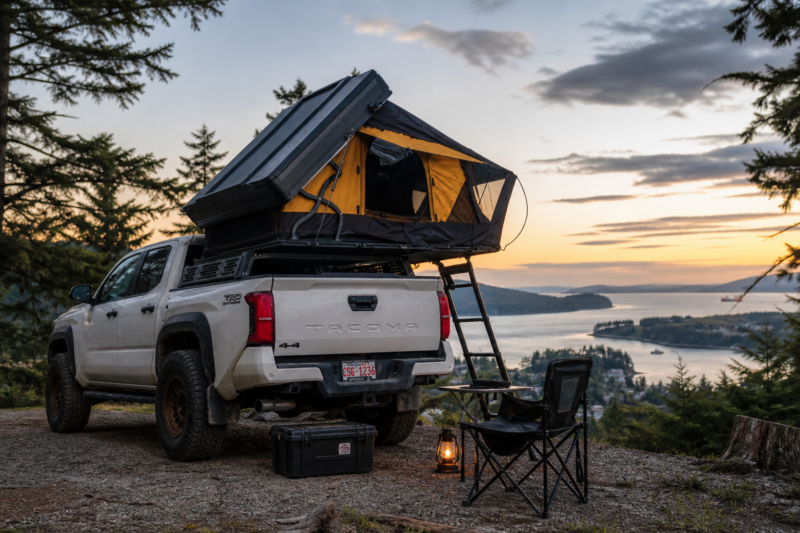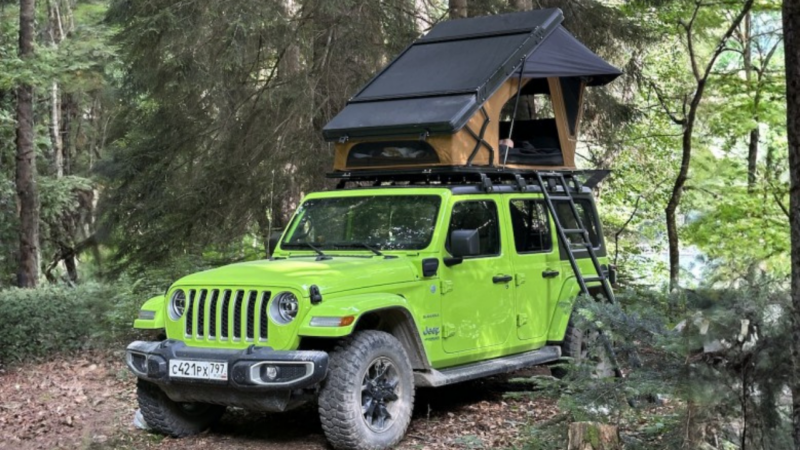

For many Canadian overlanders, May is the unofficial start of adventure season.
The snow is finally melting in the mountains, forest roads are starting to open up, campgrounds are filling their calendars, and weekend trips suddenly feel possible again. Whether you drive a truck, Jeep, SUV, Tacoma, Gladiator, 4Runner, Bronco, or full-size pickup, this is the month to make sure your rig is ready before summer camping season fully kicks in.
A proper May maintenance check is not just about cleaning your vehicle or tossing your camping gear into the back. It is about protecting your investment, avoiding trail breakdowns, keeping your rooftop tent in good condition, and making sure every rack, mount, strap, awning, and storage box is secure before you head into the backcountry.
Overlanding gear takes a beating in Canada. Winter moisture, road salt, spring rain, mud, freeze-thaw cycles, gravel roads, and long storage periods can all affect your vehicle and camping setup. A loose truck bed rack bolt, a worn rooftop tent seal, a damaged tire sidewall, or a forgotten recovery strap can turn a simple weekend trip into an expensive problem.
The good news is that most issues can be spotted before they fail.
This complete May overland vehicle maintenance checklist will help you inspect your truck, Jeep, or SUV from top to bottom so you can head into summer with confidence.
Why May Is the Best Time to Prep Your Overland Rig
May is the perfect transition month for overland vehicle maintenance. Winter has usually done its damage, but the heavier summer travel season has not fully started yet.
That makes it the ideal time to inspect, clean, tighten, test, and upgrade your setup.
During winter and early spring, your rig may have been exposed to:
- Road salt and brine
- Snow, ice, and freezing temperatures
- Heavy rain and moisture
- Mud and soft ground
- Long periods of storage
- Condensation inside tents, canopies, and storage boxes
- Loose hardware caused by vibration and temperature changes
Even if your rig looks fine from a distance, small problems can hide in places you do not check every day. Rack mounts, hinge points, tent fabric, awning brackets, recovery gear, battery terminals, tire tread, and underbody components can all wear down quietly.
May gives you time to fix those issues before peak camping season.
It is also a smart time to prepare for longer daylight hours, warmer temperatures, more remote trips, and heavier gear loads. Summer overlanding often means rooftop tents, coolers, water tanks, bikes, kayaks, recovery boards, camp kitchens, awnings, and extra storage. That added weight makes your maintenance check even more important.
Start With a Full Vehicle Walkaround
Before getting into detailed inspections, start with a slow walkaround of your vehicle.
Look at your truck, Jeep, or SUV the way a mechanic or experienced trail guide would. Do not rush this step. You are looking for anything that seems loose, worn, cracked, bent, leaking, sagging, or out of place.
Check:
- Tire condition and tread depth
- Fluid leaks under the vehicle
- Loose trim or panels
- Rust-prone areas
- Cracked lights or lenses
- Sagging suspension
- Damaged recovery points
- Bent rack brackets
- Loose awning mounts
- Rooftop tent movement
- Canopy seals and hinges
- Bed rack or roof rack hardware
This first inspection helps you spot obvious issues before moving into deeper maintenance.
For beginners, this is also a great habit to build before every trip. You do not need to be a mechanic to notice that something looks wrong. A simple visual check can catch problems early and save you from bigger repairs later.
Check Your Tires Before Any Summer Trip
Tires are one of the most important parts of your overland setup. They affect traction, comfort, fuel economy, safety, and your ability to handle gravel, mud, sand, and rough backroads.
Before summer trips begin, inspect all four tires plus your spare.
Look for:
- Uneven tread wear
- Cracks in the sidewall
- Bulges or bubbles
- Embedded nails, screws, or sharp stones
- Low tread depth
- Slow leaks
- Damaged valve stems
- Missing valve caps
If you run all-terrain or mud-terrain tires, check the tread blocks carefully. Rocks and debris can get trapped between lugs, especially after winter or spring trail use.
Also check your tire pressure when the tires are cold. Summer temperatures can change pressure readings, and your ideal pressure may vary depending on whether you are driving on pavement, gravel, sand, or rough trails.
Do not forget your spare tire. Many overlanders carry a full-size spare but rarely inspect it. Make sure it is properly inflated, accessible, and compatible with your current wheel and tire setup.
A flat tire in town is annoying. A flat tire on a remote forestry road without a working spare can ruin the entire trip.
Inspect Your Suspension and Steering Components
Overland vehicles carry extra weight. Rooftop tents, bed racks, canopies, drawers, fridges, tools, water, and camping gear can place constant stress on suspension components.
Before summer, inspect your suspension and steering system for signs of wear.
Pay attention to:
- Shock absorbers
- Springs
- Control arms
- Ball joints
- Tie rods
- Bushings
- Sway bar links
- Leaf springs
- U-bolts
- Lift kit components
Look for leaking shocks, cracked bushings, loose hardware, or unusual sagging. If your vehicle feels unstable, bouncy, uneven, or noisy over bumps, get it checked before adding more summer gear.
This is especially important for trucks with bed racks and rooftop tents. Extra weight mounted high on the vehicle can affect handling, braking, and cornering. A solid suspension setup helps keep your rig predictable on both highways and trails.
If you have recently added a rooftop tent, canopy, drawer system, or heavy gear setup, May is a good time to reassess whether your suspension is still suitable for your build.
Do a Complete Truck Bed Rack Inspection
Your truck bed rack is one of the most important load-bearing parts of your overland build. It may be carrying your rooftop tent, recovery boards, fuel cans, water storage, awning, tools, or cargo boxes.
Because it handles vibration, weight, wind resistance, and trail movement, it should be inspected carefully before summer.
Check every part of the rack, including:
- Mounting brackets
- Crossbars
- Side rails
- Bolts and nuts
- T-slot hardware
- Clamps
- Welds
- Powder coating
- Accessory mounts
- Rooftop tent mounting points
Tighten loose hardware according to the manufacturer’s recommended torque specifications. If you are unsure, check the installation guide or contact the product supplier.
Look for rust, cracks, bent metal, missing bolts, or movement between the rack and truck bed. Even a small amount of shifting can become a bigger problem once you are driving at highway speed or bouncing down a rough road.
If your rack supports a rooftop tent, this inspection is even more important. The rack must be properly rated for the static and dynamic weight of your tent and occupants. Static weight refers to the weight the rack can support when parked. Dynamic weight refers to the load it can safely carry while driving.
Many beginners focus only on whether the tent “fits,” but the more important question is whether the rack can safely support it in real-world driving conditions.
Inspect Your Roof Rack or Platform Rack
If your truck, Jeep, or SUV uses a roof rack or platform rack, inspect it the same way you would inspect a bed rack.
Roof racks are exposed to rain, sun, vibration, tree branches, road salt, and heavy loads. Over time, hardware can loosen and mounting feet can shift.
Check:
- Mounting feet
- Crossbars
- Platform slats
- Wind fairing
- Side rails
- Accessory brackets
- Light mounts
- Awning brackets
- Rooftop tent mounts
- Load rating
Push gently on the rack from different angles to see if there is movement. It should feel solid and secure.
Also check the roof surface around the mounting points. Look for dents, paint wear, rust marks, or water intrusion. If you use a clamp-style roof rack, make sure the clamps are properly seated and not damaging the vehicle.
For SUVs and Jeeps, roof load limits are especially important. Always compare the weight of your rooftop tent, rack, occupants, bedding, and accessories with your vehicle’s roof rating and rack rating.
Rooftop Tent Maintenance Canada: What to Check Before Summer
Your rooftop tent is one of the most valuable pieces of gear on your rig. It is also one of the most exposed.
Canadian weather can be tough on rooftop tents. Rain, snow, UV exposure, wind, condensation, pine needles, mud, and road grime can all affect the tent fabric, shell, seals, zippers, ladder, hinges, and mounting hardware.
Before your first summer trip, open your rooftop tent fully and let it air out.
Check the following:
Tent Fabric
Inspect the fabric for mould, mildew, tears, fading, stains, or worn areas. If your tent was stored damp, you may notice a musty smell. Let it dry completely in a well-ventilated area.
Use a soft brush or cloth to remove dirt. Avoid harsh chemicals unless the tent manufacturer recommends them.
Zippers
Open and close every zipper. If they feel stiff, clean them gently and use a zipper-safe lubricant if needed. Do not force stuck zippers, as this can damage the teeth.
Seams and Stitching
Look along the seams for loose threads, small gaps, or water stains. Seam issues are easier to fix before a heavy rainstorm than during one.
Mattress and Interior
Remove bedding and check the mattress for moisture, odour, or mildew. If you store bedding inside your rooftop tent, make sure it is dry before closing the tent.
Ladder
Inspect the ladder for loose bolts, cracked steps, bent sections, or locking issues. The ladder should feel stable when extended.
Hinges and Struts
For hard shell rooftop tents, inspect hinges, gas struts, latches, and shell edges. Make sure the tent opens smoothly and closes evenly.
Mounting Hardware
This is one of the most important checks. Look under the tent and inspect the brackets, bolts, rails, and mounting plates. Tighten anything loose and replace damaged hardware.
A rooftop tent that shifts while driving can damage your rack, vehicle, and tent. It can also create serious safety risks.
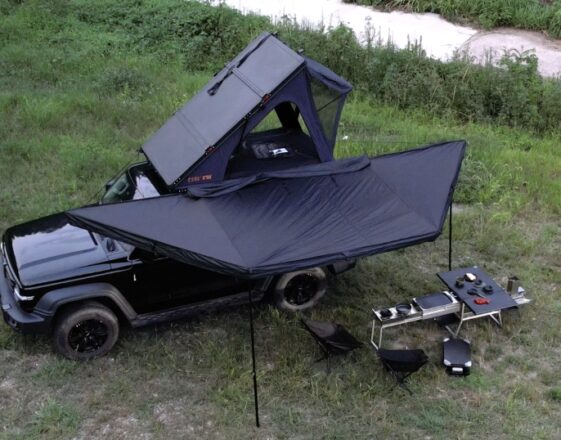
Clean and Inspect Your Awning
An awning makes summer camping much more comfortable, especially during hot afternoons or rainy evenings. But because it sits outside the vehicle, it can collect moisture, dirt, insects, and road grime.
Open the awning fully before your first trip.
Check:
- Fabric condition
- Poles and arms
- Hinges
- Brackets
- Guy lines
- Pegs
- Zippers
- Bag or hard case
- Mounting hardware
Let the fabric dry completely before rolling it back up. This helps prevent mildew and odours.
Also check that the awning brackets are tight and properly supported. A loose awning can rattle on the highway or fail in wind. If you often camp in exposed areas, consider carrying stronger pegs and extra guy lines for added stability.
Check Your Recovery Gear
Recovery gear is easy to forget until you need it.
Before summer, pull everything out and inspect it properly.
Your recovery kit may include:
- Recovery boards
- Tow strap or kinetic rope
- Soft shackles
- D-rings
- Winch line
- Tree saver strap
- Gloves
- Shovel
- Tire deflator
- Air compressor
- Traction mat
- Jack base
- First aid kit
Look for frayed straps, damaged stitching, cracked recovery boards, rusty shackles, weak winch line sections, or missing accessories.
If you use a winch, spool the line out and inspect it. Make sure the winch operates correctly before heading into remote areas.
Also confirm your recovery points are rated and secure. Do not rely on random tie-down points or bumper parts unless they are designed for recovery.
Recovery gear is not just for extreme off-roading. Even a simple spring campsite can become difficult if the ground is soft, muddy, or uneven.
Inspect Your Brakes Before Long Summer Drives
Summer overlanding often includes longer road trips, mountain highways, gravel roads, and fully loaded vehicles. Your brakes need to be in good condition.
Listen for squealing, grinding, vibration, or pulsing when braking. Check brake fluid levels and look for leaks near the wheels.
If your rig feels heavier than usual because of gear, remember that braking distance increases. A truck or SUV loaded with a rooftop tent, rack system, fridge, tools, water, and camping gear will not stop the same way it does when empty.
Have your brakes inspected if they feel soft, noisy, or inconsistent.
Check Fluids and Filters
A basic fluid check should be part of every May maintenance routine.
Check:
- Engine oil
- Coolant
- Brake fluid
- Transmission fluid
- Power steering fluid
- Windshield washer fluid
- Differential fluid
- Transfer case fluid
If you are heading into remote areas, it is worth getting your vehicle serviced before the season starts.
Also check your air filter and cabin filter. Dusty trails, pollen, and spring debris can clog filters quickly. A clean air filter helps your engine breathe better, while a clean cabin filter makes long drives more comfortable.
Test Your Battery and Electrical Setup
Cold weather can weaken batteries, and summer overlanding often requires more electrical power.
Before your first big trip, test your vehicle battery and any auxiliary power setup.
Check:
- Main battery condition
- Battery terminals
- Auxiliary battery
- Solar panel connections
- Fridge wiring
- Inverter
- USB charging points
- Camp lights
- Fuse box
- Power station
- 12V outlets
Look for corrosion, loose connections, damaged wiring, or blown fuses.
If you run a fridge, lights, camera gear, air compressor, or charging setup, test everything at home before relying on it in the backcountry.
A fridge that does not stay powered or a battery that dies overnight can quickly create problems on a summer camping trip.
Organize and Reduce Your Gear Load
May is a great time to pull all your gear out and reassess what you actually need.
Overlanders often carry too much. Extra weight affects fuel economy, suspension wear, braking distance, handling, and trail performance.
Lay out your gear and divide it into categories:
- Must-have safety gear
- Recovery equipment
- Cooking gear
- Sleeping gear
- Tools
- Clothing
- Water
- Food storage
- Lighting
- Comfort items
- “Just in case” gear
Be honest about what you used last season. If something never left the storage box, consider removing it or replacing it with something more useful.
Use storage boxes, cargo cases, or drawer systems to keep gear secure and easy to access. Loose gear can become dangerous during sudden stops or rough trail driving.
Prepare Your Camping Setup for Warmer Weather
Summer camping prep is about more than the vehicle. Your camp setup should also be checked before the season begins.
Inspect:
- Camp stove
- Fuel canisters
- Water containers
- Cooler or fridge
- Sleeping bags
- Pillows
- Camp chairs
- Table
- Lighting
- Bug protection
- Fire tools
- Cooking utensils
- Food storage
- Tarps
- Ground mats
In Canada, May and early summer can bring changing conditions. You may deal with warm afternoons, cold nights, rain, bugs, mud, and wind in the same weekend.
Make sure your setup is flexible.
Pack layers, waterproof storage, extra socks, warm bedding, and rain protection. Even if summer is coming, backcountry weather can still surprise you.
Vehicle-Specific Tips for Trucks, Jeeps & SUVs
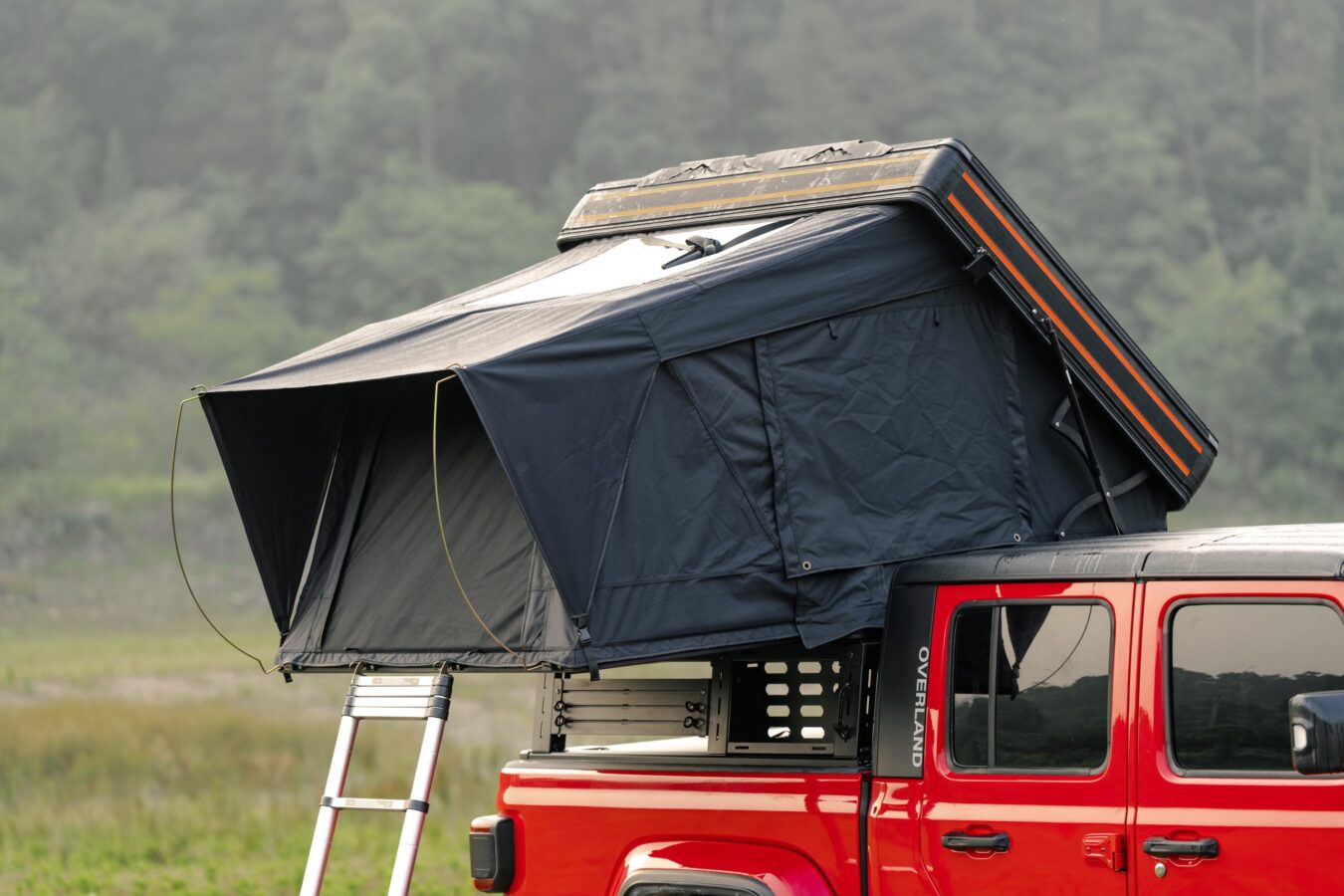
Different vehicles need slightly different attention.
Trucks
For pickups, inspect the bed rack, bed rails, tailgate, canopy, tonneau cover, and tie-down points. Trucks often carry heavier gear loads, so payload capacity matters.
Check your rear suspension carefully if you run a rooftop tent, canopy, drawer system, fridge, tools, or water storage.
Jeeps
For Jeeps, pay close attention to roof load limits, suspension components, steering parts, and tire condition. If you run larger tires or a lift kit, inspect all related components before summer trail use.
Also check door seals, soft tops, hard tops, and rear cargo storage.
SUVs
For SUVs, roof rack safety is critical. Many SUV builds rely heavily on roof-mounted gear, so make sure the rack and vehicle roof rating can handle your setup.
Also organize interior storage carefully. Secure heavy gear low and avoid blocking rear visibility.
Check Water Storage and Food Storage
Summer trips often mean more water consumption. Before heading out, inspect your water containers, jerry cans, tanks, and hoses.
Clean and sanitize water containers if they have been stored for months.
Check for:
- Cracks
- Leaks
- Broken caps
- Dirty spouts
- Weak seals
- Strange odours
Food storage also matters, especially in wildlife areas. Use sealed containers and follow local food storage rules. In bear country, never leave food or scented items unsecured around camp.
Review Your Tools and Spare Parts
Every overland rig should carry a practical tool kit.
You do not need to bring an entire garage, but you should have enough to handle basic repairs.
Consider carrying:
- Socket set
- Wrenches
- Screwdrivers
- Pliers
- Tire repair kit
- Air compressor
- Zip ties
- Duct tape
- Electrical tape
- Spare fuses
- Work gloves
- Headlamp
- Multitool
- Basic fluids
- Spare bolts for rack hardware
If your rig has specific accessories, carry spare hardware that matches them. A missing rack bolt or tent bracket nut is much easier to fix if you already have the correct replacement.
Update Your Navigation and Emergency Plan
Before summer travel, update your maps and communication tools.
Download offline maps for the areas you plan to explore. Do not rely only on cell service.
Check:
- GPS device
- Offline map apps
- Paper maps
- Satellite communicator
- Emergency contacts
- Trip plan
- Weather forecast
- Fire restrictions
- Road closures
- Campground availability
Tell someone where you are going and when you expect to return. This is especially important when travelling on remote forestry roads or camping outside developed areas.
Wash the Undercarriage and Remove Winter Build-Up
Winter road salt, mud, and grime can build up underneath your vehicle. In May, give your rig a thorough wash, especially underneath.
Focus on:
- Frame rails
- Suspension components
- Wheel wells
- Skid plates
- Rock sliders
- Bumpers
- Hitch receiver
- Recovery points
- Brake lines
- Rack mounting areas
Cleaning the undercarriage helps you spot rust, leaks, cracked components, and loose hardware.
It also helps protect your vehicle from long-term corrosion.
Decide What Needs Upgrading Before Summer
After completing your inspection, you may find that some gear needs to be replaced or upgraded.
Common pre-summer upgrades include:
- Stronger bed rack
- New rooftop tent
- Better awning
- Recovery boards
- Storage boxes
- Roof platform
- Canopy system
- Lighting
- Solar setup
- Tire repair kit
- Air compressor
- Water storage
- Camp kitchen setup
The best upgrades are not always the flashiest. Focus on gear that improves safety, comfort, organization, and reliability.
If your current rack is overloaded, your rooftop tent is wearing out, or your gear storage is messy and inefficient, upgrading before summer can make every trip easier.
Final May Overland Maintenance Checklist
Before your first summer adventure, make sure you have checked:
- Tires and spare tire
- Brakes
- Suspension
- Steering
- Fluids
- Battery
- Lights
- Roof rack
- Truck bed rack
- Rooftop tent
- Awning
- Recovery gear
- Tools
- First aid kit
- Water storage
- Food storage
- Camp kitchen
- Navigation
- Emergency communication
- Weather and road conditions
- Fire restrictions
- Gear weight and organization
This checklist may take a few hours, but it can save you from major headaches later.
Get Your Rig Ready Before Summer Starts
Summer overlanding is one of the best ways to explore Canada, from coastal campsites and forest roads to mountain trails and remote lakes. But the best trips usually start before you leave the driveway.
A well-prepped rig is safer, more comfortable, and more enjoyable to use. It gives you confidence on long drives, rough roads, and unpredictable campsites.
Use May as your reset month. Inspect your truck, Jeep, or SUV. Tighten your rack hardware. Open and air out your rooftop tent. Test your recovery gear. Clean your storage setup. Check your tires. Fix the small issues now so they do not become big problems later.
Whether you are heading out for your first beginner-friendly camping weekend or upgrading your rig for longer summer adventures, proper overland vehicle maintenance is one of the smartest investments you can make.
Before the season gets busy, take the time to prep your setup properly.
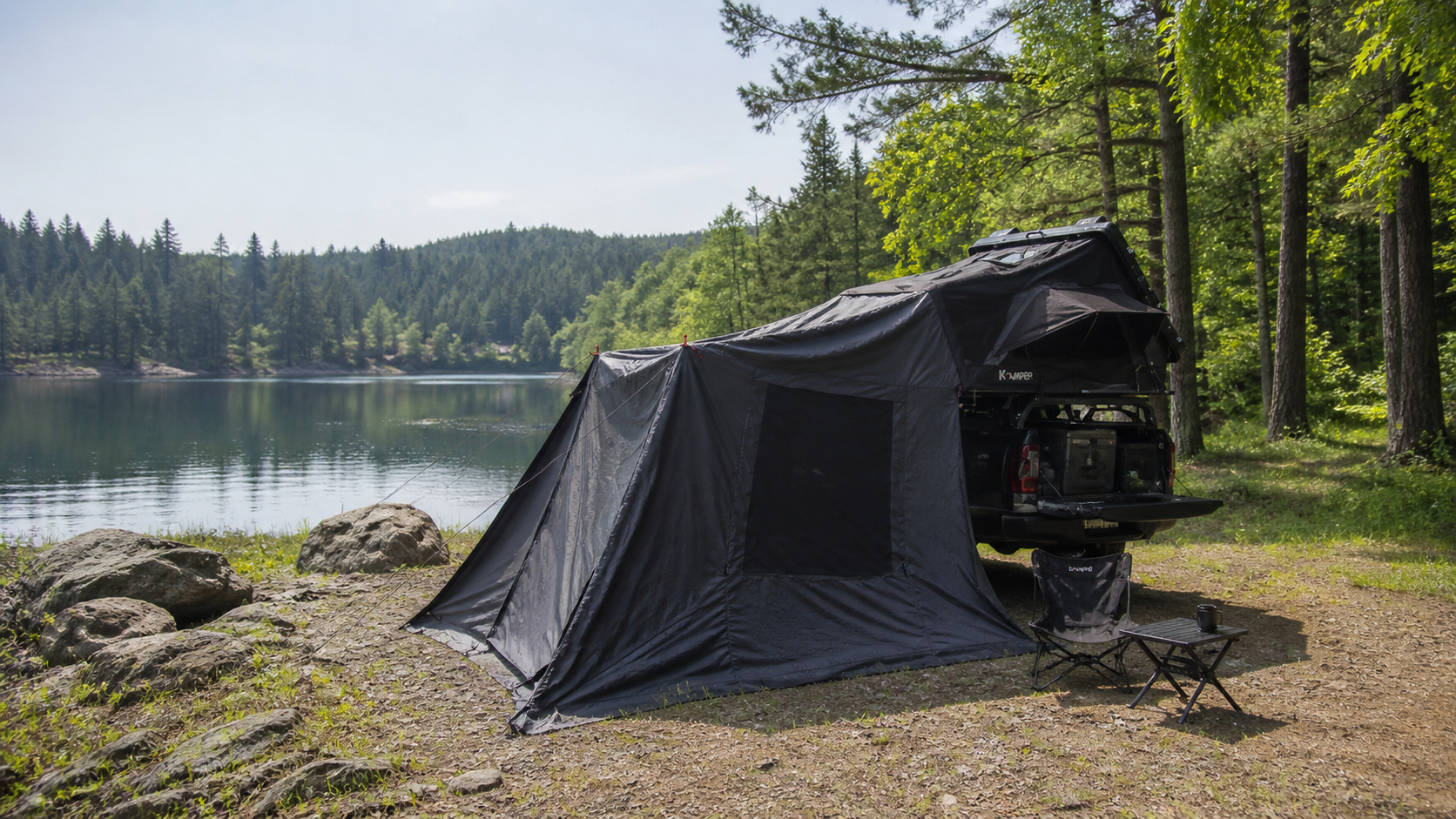
Your future self will thank you when you are parked beside a lake, rooftop tent open, awning out, coffee brewing, and everything working exactly the way it should.
Getting your overland rig ready for summer?
Explore rooftop tents, truck bed racks, awnings, storage solutions, and overlanding accessories built for Canadian adventures. Prepare your setup now so you can spend more time exploring and less time fixing problems on the trail.