

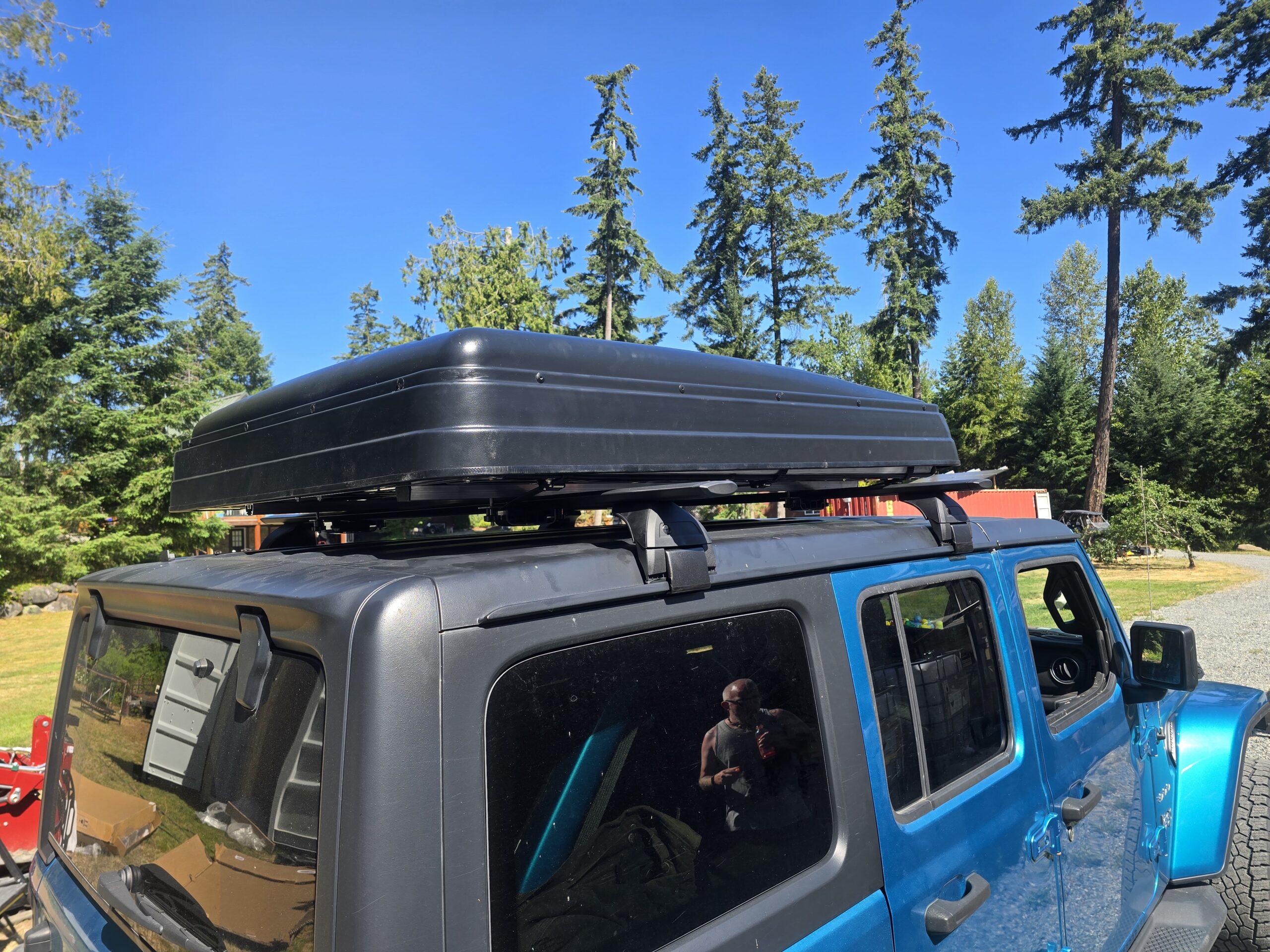
Few experiences are more frustrating than watching your adventure come to a halt because your vehicle is stuck in mud, sand, snow, or loose gravel. It doesn’t matter whether you’re exploring a quiet Forest Service Road near Squamish, navigating Vancouver Island logging roads, or venturing into the backcountry of Northern British Columbia—conditions can change quickly.
The reality is that even experienced overlanders occasionally become stuck. Rain can turn a firm road into a muddy rut, hidden washouts can trap a tire, and loose gravel can rob your vehicle of traction in seconds.
Fortunately, most recovery situations don’t require a tow truck. With the right equipment, proper planning, and safe recovery techniques, many obstacles can be handled efficiently while minimizing risk to people and vehicles.
This guide covers the 10 essential recovery gear items every overlander should carry, why each one matters, and how they work together to keep your adventures moving safely.
Why Every Overlander Needs Recovery Gear
Many newcomers assume recovery equipment is only necessary for extreme rock crawling or technical off-roading.
In reality, recovery gear is just as valuable on moderate gravel roads, forestry access routes, and remote campsites.
Common situations include:
- Mud after heavy rainfall
- Loose gravel on steep hills
- Soft sand near lakes or beaches
- Snow patches lingering into summer
- Washed-out Forest Service Roads
- Uneven terrain that reduces traction
Recovery gear is less about pushing limits and more about being prepared for the unexpected.
Recovery Safety Comes First
Before discussing equipment, it’s important to understand one principle:
The safest recovery is the one you never rush.
Always:
- Assess the situation before acting.
- Keep bystanders well away from recovery equipment.
- Use equipment only as intended by the manufacturer.
- Avoid improvised recovery methods.
- Stop immediately if something doesn’t look right.
Taking a few extra minutes to evaluate the situation is often safer—and more effective—than trying the quickest solution.
1. Recovery Boards
Recovery boards are one of the most useful pieces of recovery equipment for solo travellers.
Placed beneath the drive tires, they provide immediate traction when a vehicle loses grip in mud, sand, snow, or loose gravel.
Benefits
- No second vehicle required
- Lightweight
- Easy to use
- Minimal setup time
- Effective in many common recovery situations
Real-World Example
After an overnight rainstorm on a BC Forest Service Road, your rear tires sink into soft mud while leaving camp. A pair of recovery boards can often provide enough traction to drive out without needing a tow.
2. Recovery Strap
A recovery strap is designed to assist in pulling a stuck vehicle using another properly equipped vehicle.
Unlike general-purpose towing straps, recovery straps are intended for vehicle recovery and should always be used according to the manufacturer’s instructions.
Benefits
- Compact storage
- Useful for many recovery situations
- Reliable when travelling with a partner vehicle
Always inspect straps for damage before every trip.
3. Soft Shackles
Soft shackles have become increasingly popular among overlanders due to their lightweight construction and ease of handling.
Compared with traditional metal shackles, they are easier to store and don’t rust.
Advantages
- Lightweight
- Easy to pack
- Corrosion resistant
- Flexible connection point
Always ensure compatibility with your recovery equipment and follow safe recovery practices.
4. Air Compressor
Lowering tire pressure improves traction on many surfaces.
Once you’re back on maintained roads, you’ll want to restore your tires to the appropriate pressure.
A portable air compressor allows you to:
- Reinflate tires after off-road travel
- Adjust pressure for changing terrain
- Support tire maintenance during long trips
For many overlanders, it’s one of the most frequently used pieces of equipment.
5. Tire Deflator
A tire deflator works hand-in-hand with an air compressor.
Lower tire pressures can improve traction on:
- Sand
- Snow
- Loose gravel
- Rocky terrain
Reducing pressure also helps smooth out rough roads and can improve ride comfort when used appropriately.
Always reinflate tires before returning to highway speeds.
6. Tire Repair Kit
A puncture doesn’t necessarily end your trip.
A quality tire repair kit allows you to address certain tread punctures in the field until a permanent repair or replacement can be completed.
Many experienced overlanders consider a tire repair kit just as important as a spare tire.
7. Recovery Gloves
Recovery work often involves mud, rocks, steel components, and rough terrain.
A durable pair of gloves helps protect your hands while improving grip when handling recovery equipment.
They’re also useful for campsite chores, firewood collection, and general vehicle maintenance.
8. Shovel
A shovel is one of the simplest yet most effective recovery tools available.
Sometimes the fastest recovery isn’t pulling the vehicle—it’s removing the obstacle.
A shovel can help:
- Clear mud
- Remove snow
- Dig out tires
- Level campsites
- Build traction ramps
Its versatility makes it an indispensable piece of equipment for virtually every overland vehicle.
9. Winch Accessories
If your vehicle is equipped with a winch, the supporting accessories are just as important as the winch itself.
Common accessories include:
- Tree trunk protectors
- Winch dampers
- Extension straps
- Pulley blocks
- Storage bags
These items help expand recovery options while promoting safer recovery practices.
10. First Aid Kit
Although not traditionally categorized as recovery equipment, a first aid kit belongs in every overland recovery kit.
Recoveries often involve:
- Uneven terrain
- Heavy equipment
- Sharp edges
- Slippery surfaces
Being prepared for minor injuries is an essential part of responsible trip planning.
Building a Complete Recovery Kit
Recovery equipment works best as a complete system rather than individual pieces.
| Recovery Item | Primary Purpose |
| Recovery Boards | Improve traction |
| Recovery Strap | Vehicle-to-vehicle recovery |
| Soft Shackles | Safe connection points |
| Air Compressor | Reinflate tires |
| Tire Deflator | Increase traction |
| Tire Repair Kit | Temporary tire repairs |
| Recovery Gloves | Hand protection |
| Shovel | Dig and clear obstacles |
| Winch Accessories | Support winch recoveries |
| First Aid Kit | Emergency preparedness |
Common Recovery Mistakes
Even quality equipment can’t compensate for poor decisions.
Avoid these common mistakes.
| Mistake | Better Practice |
| Driving deeper into mud | Stop and assess early |
| Forgetting to air down | Adjust tire pressure when appropriate |
| Using damaged equipment | Inspect gear before every trip |
| Poor communication | Agree on recovery signals beforehand |
| Packing gear out of reach | Store recovery equipment where it’s easily accessible |
Practical Recovery Tips from the Trail
Walk the Obstacle First
Before attempting a recovery, get out of the vehicle and inspect the terrain.
You may discover a better route or identify hazards that weren’t visible from the driver’s seat.
Travel With Others When Possible
Although solo travel can be rewarding, travelling with another capable vehicle often provides additional recovery options and added peace of mind.
Practice Before You Need It
The best time to learn how your recovery gear works isn’t when you’re axle-deep in mud.
Practice using your equipment in a controlled environment so you’re familiar with setup, storage, and safe operation.
Keep Recovery Gear Organized
Store all recovery equipment together in a dedicated bag or storage box.
When conditions deteriorate, you’ll appreciate being able to find everything quickly instead of searching through your entire vehicle.
Product Categories to Consider
Building a capable overland vehicle doesn’t stop with recovery equipment. The right supporting accessories improve organization, accessibility, and comfort throughout your journey.
Recovery Gear
A complete recovery kit forms the foundation of safe off-road travel.
Roof Platforms
Ideal for carrying lightweight recovery accessories while maximizing roof storage.
Bed Racks
Provide additional mounting options for recovery boards, shovels, and storage systems.
Crossbars
A practical solution for transporting outdoor equipment and compatible accessories.
Rooftop Tents
Pair well with organized recovery gear for extended backcountry adventures.
Camping Accessories
Storage bags, lighting, organizers, and utility equipment help keep recovery gear secure and accessible.
Expert Recommendations
One of the biggest lessons experienced overlanders learn is that recovery gear is rarely used in isolation.
Recovery boards are more effective when paired with a shovel. Air compressors are far more valuable when combined with a tire deflator. A recovery strap is only useful if you also have safe attachment points and compatible connectors.
It’s also worth remembering that the best recovery is often the simplest. Lowering tire pressure, clearing mud from around the tires, or placing recovery boards correctly may solve the problem without the need for a more complex recovery.
Finally, treat recovery equipment like any other safety gear. Inspect it regularly, replace worn components, and learn how to use each item before heading into remote areas.
Frequently Asked Questions
What recovery gear should every beginner carry?
At a minimum, consider recovery boards, a recovery strap, soft shackles, an air compressor, a tire deflator, a shovel, gloves, and a first aid kit.
Are recovery boards worth buying?
Yes. Recovery boards are one of the most practical tools for solo overlanders because they can provide traction without requiring another vehicle.
Do I need a winch for overlanding?
Not every overlander requires a winch. Many common recovery situations can be managed with recovery boards, proper tire pressure, and basic recovery equipment.
How often should recovery gear be inspected?
Inspect recovery gear before every trip and after any significant recovery. Look for cuts, excessive wear, corrosion, loose hardware, or other signs of damage.
Can recovery gear stay mounted outside year-round?
Many accessories are designed for outdoor use, but regular cleaning and inspection help prolong their lifespan—especially in coastal regions where moisture and road salt can accelerate wear.
Is recovery training important?
Absolutely. Quality equipment is only part of the equation. Understanding safe recovery techniques and your equipment’s intended use is essential for protecting both people and vehicles.
Conclusion
Recovery gear isn’t about expecting to get stuck—it’s about being prepared when conditions don’t go as planned. British Columbia’s diverse landscapes can challenge even experienced drivers, but thoughtful preparation and the right equipment help you travel with greater confidence.
Start with the essentials, learn how to use each item safely, and build your recovery kit over time as your adventures grow.
If you’re looking to outfit your vehicle with dependable recovery gear, roof platforms, bed racks, rooftop tents, or other overlanding accessories, visit Kermode Overland or contact the team for expert advice tailored to Canadian conditions and your style of adventure.