
British Columbia is one of Canada’s premier destinations for overlanding. From the rugged logging roads of Vancouver Island to the alpine passes near Whistler and the remote wilderness of Northern BC, every trip promises unforgettable scenery—and unpredictable conditions.
Unfortunately, many camping trips are cut short because of something simple: forgotten gear, poor preparation, or packing inefficiently. Running out of water, forgetting recovery equipment, or discovering your cooking kit stayed behind can quickly turn an exciting adventure into an unnecessary challenge.
The good news is that most of these problems are entirely preventable.
This BC camping checklist is designed specifically for summer overland travel. Whether you’re heading out for a weekend getaway or embarking on a multi-day backcountry expedition, this guide will help you prepare your vehicle, organize your equipment, and enjoy your adventure with confidence.
Why Preparation Matters for BC Overlanding
Unlike traditional campground camping, overlanding often takes you far from paved roads and nearby services.
Many Forest Service Roads (FSRs) have little or no cell reception. Fuel stations may be hours apart, and weather conditions can change rapidly even during summer.
Proper preparation helps you:
- Travel safely in remote areas
- Stay comfortable in changing weather
- Protect your vehicle
- Reduce unnecessary packing
- Respond confidently to unexpected situations
The goal isn’t to carry everything you own—it’s to bring the right gear.
Vehicle Preparation Before You Leave
Your vehicle is the foundation of every overland adventure.
Before packing your camping equipment, perform a complete inspection.
Basic Vehicle Checks
Inspect:
- Engine oil
- Coolant
- Brake fluid
- Windshield washer fluid
- Battery condition
- Tire pressure (including spare)
- Lug nut torque
- Suspension components
- Recovery points
- Lights and signals
If your route includes rough FSRs or mountain terrain, inspect your underbody for any loose components or damage.
Fuel Planning
One of the most common mistakes new overlanders make is assuming they’ll find fuel along the way.
Instead:
- Fill your tank before leaving town.
- Know your vehicle’s fuel range.
- Research available fuel stops.
- Consider carrying an approved fuel container if travelling long distances.
Remote areas of British Columbia may not have fuel available every day or every season.
Shelter Essentials
A comfortable sleeping setup makes a huge difference after a long day on the trail.
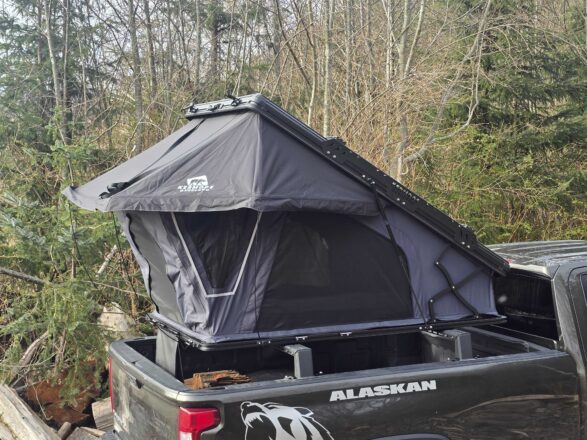
Rooftop Tent
A rooftop tent offers several advantages for BC overlanding:
- Fast setup
- Elevated sleeping area
- Protection from wet ground
- Better airflow
- Consistent sleeping platform
It’s especially useful when moving camps frequently.
Ground Tent
Ground tents remain a great option when:
- Travelling on a budget
- Camping with larger groups
- Staying multiple nights in one location
Choose based on your style of travel rather than assuming one solution fits every trip.
Additional Shelter
Don’t overlook shade and rain protection.
Useful additions include:
- Vehicle awnings
- Side walls
- Privacy shelters
- Lightweight tarps
Even during summer, afternoon rain showers are common throughout much of BC.
Sleeping System Checklist
Quality sleep makes every adventure more enjoyable.
Bring:
- Sleeping bag appropriate for mountain temperatures
- Sleeping pillow
- Sleeping pad or mattress
- Extra blanket
- Fitted sheets if using a rooftop tent
- Earplugs if camping near rivers or windy ridges
Remember that temperatures can drop dramatically overnight—even after warm summer days.
Camp Kitchen Essentials
Food is one of the highlights of any camping trip.
A well-organized camp kitchen saves time and reduces frustration.
Cooking Equipment
Pack:
- Portable stove
- Fuel canisters
- Lighter
- Backup fire starter
- Pots
- Frying pan
- Cooking utensils
- Cutting board
- Sharp knife
- Can opener
- Coffee equipment
Food Storage
Organize food into bins or drawers.
Bring:
- Cooler or portable fridge
- Ice packs if needed
- Dry food containers
- Reusable food bags
- Garbage bags
Store food securely, particularly in bear country.
Water
Water planning deserves special attention.
Carry enough drinking water for every traveller, plus extra for cooking, cleaning, and emergencies.
If sourcing water from lakes or rivers, bring an appropriate filtration or purification system.
Clothing for BC Summer Camping
Many visitors underestimate BC’s changing weather.
A sunny valley can quickly become a cold mountain evening.
Pack layers rather than bulky clothing.
Recommended items include:
- Moisture-wicking shirts
- Hiking pants
- Shorts
- Rain jacket
- Insulated jacket
- Warm toque
- Sun hat
- Gloves
- Hiking boots
- Camp shoes
- Extra socks
Avoid cotton whenever possible, especially for hiking.
Recovery Gear You Should Never Leave Behind
Even experienced overlanders occasionally encounter mud, loose gravel, or washed-out roads.
Recovery gear isn’t only for extreme off-roading.
Essential equipment includes:
- Recovery straps
- Rated shackles
- Recovery boards
- Air compressor
- Tire deflator
- Shovel
- Tire repair kit
- Gloves
Travelling with recovery equipment provides peace of mind even on moderate forest roads.
Camping Safety Equipment
Safety gear should always be easy to access.
Carry:
- First aid kit
- Headlamp
- Spare batteries
- Fire extinguisher
- Emergency blanket
- Multi-tool
- Flashlight
- Emergency whistle
If travelling into remote regions, consider carrying a satellite communication device for emergencies.
Navigation Essentials
Cell service disappears surprisingly quickly once you leave major highways.
Don’t rely exclusively on your smartphone.
Bring:
- Offline maps
- Printed maps
- Compass
- GPS navigation device
- Charging cables
- Power bank
Downloading offline maps before departure is one of the easiest ways to avoid navigation problems.
Campsite Comfort Items
Comfort may not be essential—but it certainly improves the experience.
Popular additions include:
- Camping chairs
- Folding table
- LED camp lights
- Lantern
- Outdoor rug
- Portable shower
- Hammock
Small comforts often become the most appreciated items after several days outdoors.
Summer Wildlife Considerations
British Columbia is home to:
- Black bears
- Grizzly bears
- Cougars
- Wolves
- Moose
Most wildlife encounters can be avoided through proper campsite management.
Best practices include:
- Never leave food unattended.
- Store scented items securely.
- Keep campsites clean.
- Dispose of garbage responsibly.
- Make noise while hiking in dense forest.
Respecting wildlife protects both animals and campers.
Leave No Trace Principles
Responsible overlanding helps preserve BC’s incredible landscapes.
Always:
- Pack out all garbage.
- Stay on designated roads.
- Respect trail closures.
- Avoid damaging vegetation.
- Minimize campfire impacts.
- Leave campsites cleaner than you found them.
The goal is simple: leave no evidence you were there.
Common Packing Mistakes
Even experienced campers occasionally overlook important items.
Avoid these common errors.
| Mistake | Better Approach |
| Packing too much clothing | Focus on versatile layers |
| Forgetting recovery gear | Build a dedicated recovery kit |
| Overpacking food | Plan meals before leaving |
| No backup lighting | Carry multiple light sources |
| Poor organization | Use labelled storage boxes |
| Ignoring weather forecasts | Prepare for changing mountain conditions |
Recommended Gear Categories for BC Overlanding
Rather than purchasing everything at once, build your setup over time.
A practical progression includes:
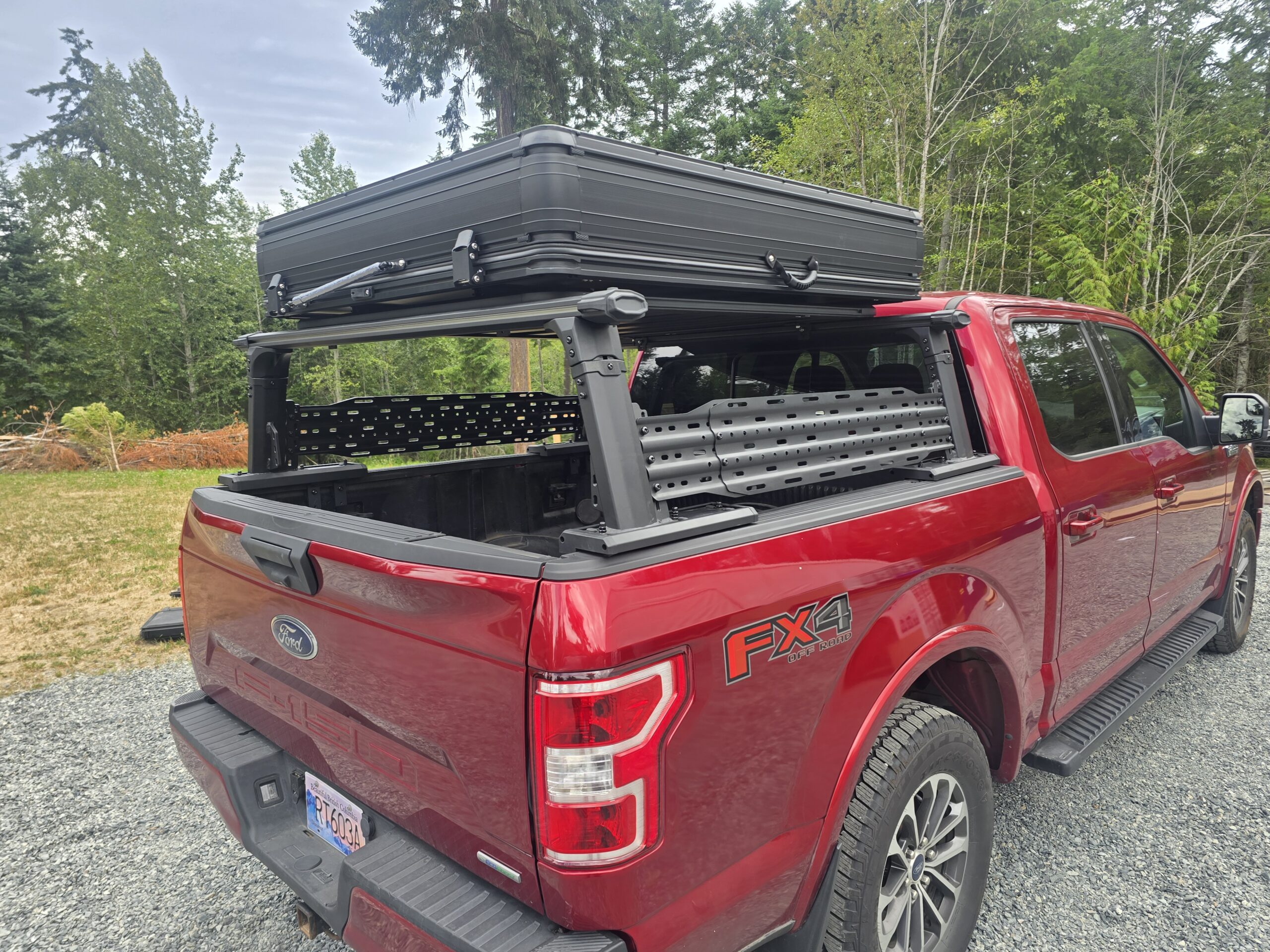
Rooftop Tents
Ideal for travellers who frequently move camps and want fast setup with elevated sleeping comfort.
Bed Racks
Perfect for maximizing cargo space while securely supporting rooftop tents or additional gear.
Roof Platforms
Increase carrying capacity for bulky equipment such as storage boxes, recovery gear, and lightweight camping accessories.
Crossbars
A versatile foundation for transporting bikes, kayaks, rooftop tents, or cargo carriers.
Vehicle Awnings
Provide instant shade during hot afternoons and welcome shelter during unexpected rain showers.
Recovery Gear
Every overland vehicle should carry basic recovery equipment, even on relatively easy Forest Service Roads.
Camping Accessories
Thoughtfully selected accessories such as storage solutions, lighting, tables, cooking equipment, and organization systems make every trip smoother and more enjoyable.
Expert Packing Tips
After years of travelling British Columbia’s backroads, a few habits consistently make trips easier.
Pack by Function
Group equipment together:
- Kitchen
- Recovery
- Clothing
- Sleeping
- Electronics
- Food
You’ll spend less time searching for gear at camp.
Keep Heavy Items Low
Place heavy equipment close to the vehicle floor.
This improves stability and handling on rough roads.
Test Everything Before Departure
Set up your rooftop tent.
Check your stove.
Charge your batteries.
Inflate your mattress.
Finding problems at home is always better than discovering them deep in the backcountry.
Frequently Asked Questions
What should I pack for summer camping in British Columbia?
Bring shelter, sleeping gear, cooking equipment, water, layered clothing, navigation tools, recovery gear, safety equipment, and sufficient food for your planned itinerary.
Do I need recovery gear for Forest Service Roads?
Yes. Even well-maintained FSRs can become muddy, washed out, or rough after heavy rain. Basic recovery equipment is strongly recommended.
Is a rooftop tent worth it for BC overlanding?
For travellers who frequently move camps, rooftop tents offer faster setup, improved comfort, and better separation from wet or uneven ground.
How much water should I bring?
Carry enough drinking water for everyone in your group, plus additional water for cooking, washing, and unexpected delays. Always have a backup purification method if relying on natural water sources.
What wildlife precautions should I take?
Store food securely, keep camps clean, dispose of waste properly, and never feed wildlife. Carry bear spray where appropriate and understand how to use it safely.
Can I rely on mobile phone coverage?
No. Many popular overlanding destinations throughout British Columbia have limited or no cellular service. Download offline maps before you leave.
Conclusion
A successful overland adventure begins long before your tires leave the pavement.
Thoughtful planning, reliable equipment, and an organized packing system help you travel farther, camp more comfortably, and handle unexpected situations with confidence. Whether you’re exploring coastal logging roads, alpine mountain passes, or remote lakes deep in British Columbia, having the right gear lets you focus on what matters most—enjoying the journey.
If you’re building your first overland setup or upgrading your existing rig, visit Kermode Overland for quality rooftop tents, bed racks, roof platforms, recovery gear, camping accessories, and expert advice from people who understand BC adventures firsthand.