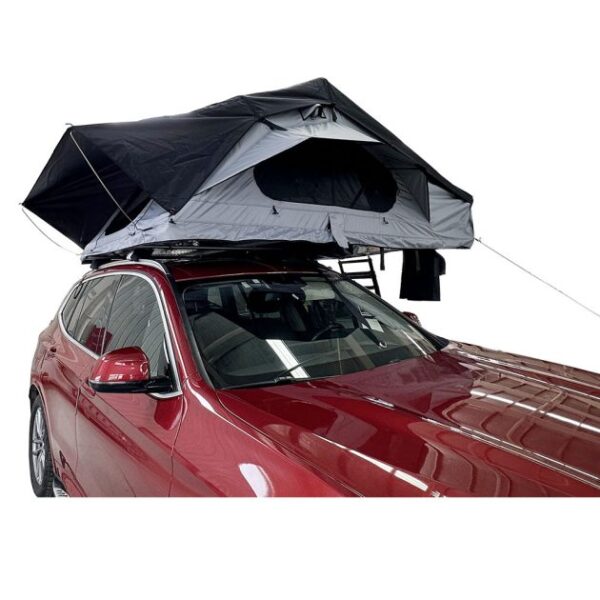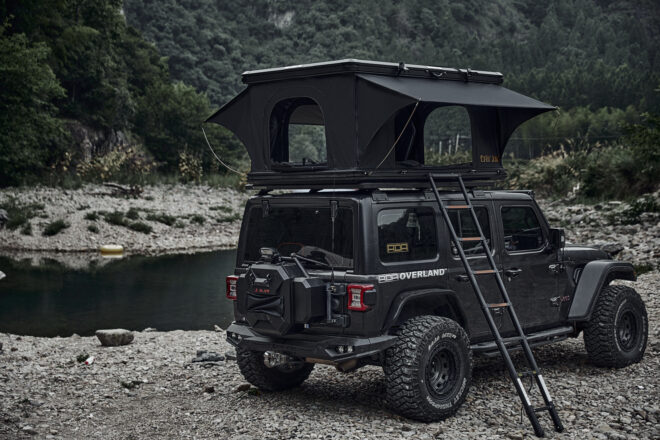


There’s a moment every overlander knows well.
You’ve just wrapped a full day on the trail — dusty, tired, maybe a little muddy — and all you want is to get camp set up fast and get horizontal.
That moment will either make you love your shelter setup or quietly resent every purchase decision that led you there.
If you’re still hauling a ground tent, fighting with poles and rain flies in the dark after a long run through backcountry roads? You already know something needs to change.
And if you’re considering your first rooftop tent — or upgrading from a soft shell — this one deserves a real look.
The Outland XL™ ABS Hard Shell Rooftop Tent isn’t the flashiest option on the market. It’s not trying to be. What it is, though, is a genuinely well-thought-out shelter built for people who actually use their rigs — hard, often, and in real Canadian conditions.
Let’s get into it.
The Canadian Overlanding Problem Nobody Talks About Enough
Overlanding in Canada is not the same as overlanding in the American Southwest.
You don’t get guaranteed blue skies and dry nights. You get:
- Coastal BC rain that rolls in with zero warning
- Alberta shoulder seasons that drop below freezing before October
- Ontario spring mud that turns a flat campsite into a mess
- Unpredictable weather that shifts three times in a single afternoon
And that’s before you factor in long-distance driving on gravel forestry roads, remote Crown land camping with no cell service, and the reality that once you’re out there — you’re committed.
Your gear has to work. First try. Every time.
That’s the lens you should use when evaluating any rooftop tent for serious overlanding. Not how it looks parked at a trailhead. How it performs when things get real.
Why Hard Shell Is the Obvious Choice for Overlanders
The soft shell vs. hard shell debate used to feel closer than it does now.
It isn’t anymore. Not for overlanders.
Soft shell rooftop tents have their place — they’re lighter and often more affordable — but they come with trade-offs that compound quickly the more you use your rig:
- Fabric covers that accumulate trail dust and grime
- Setup that involves actual effort after a hard day
- More exposure to wind load on highway runs
- Fabric that takes longer to dry out after wet nights
Hard shell tents flip most of that.
The shell protects everything inside during travel. Your mattress stays clean. Your bedding stays put. And when you pull into camp, setup is almost embarrassingly fast:
- Release the latches
- Lift the shell (gas struts handle most of it)
- Extend the ladder
- You’re done
That’s it. No poles. No covers. No process.
For overlanders who move camp frequently, cover long distances between stops, or simply value efficiency after a demanding day on trail — that simplicity is genuinely game-changing.
What the XL Brings That Compact Tents Can’t
Here’s where the Outland XL™ earns its place in the conversation.
Most hard shell rooftop tents on the market trend small. That makes sense for solo travelers and minimalist builds. But overlanders are increasingly running setups that need more — more space, more comfort, more flexibility for multi-day missions with a partner or a crew.
The Outland XL™ sleeping platform:
182 × 210 cm / 72 × 83 inches / roughly 6 ft × 6 ft 11 in
That’s meaningfully larger than most compact hard shells. And in practice, the difference shows up in ways you might not expect until you’re actually living out of it.
More Space = Better Weather Comfort
On perfect summer nights, extra square footage feels optional.
On cold, rainy days when you’re stuck inside your tent waiting out a storm? That space becomes everything. You can spread out. You can move. You can store a dry layer or a pack inside without sleeping on top of it.
Real overlanders spend real time inside their shelters. The XL accounts for that.
Fits the Way Overlanders Actually Travel
Whether you’re running solo with a co-pilot, bringing a partner on longer missions, or occasionally adding a kid into the mix — the XL comfortably handles:
- 3 adults in genuine comfort
- 2 adults + children without feeling squeezed
- Couples who want actual room to move
That flexibility matters more the longer your trips run.
Built to Handle Canadian Conditions — Actually
Let’s talk materials, because this is where a lot of rooftop tent marketing gets vague.
The Outland XL™ doesn’t dance around it.
280 g Rip-Stop Canvas Body
Waterproof rating: 2500 mm
Rip-stop construction means the fabric is woven with reinforcing threads that stop tears from spreading — critical for tents that get compressed, expanded, and exposed to trail debris on a regular basis.
At 2500 mm waterproofing, this isn’t a clear-sky-only tent. It’s built to hold up in the kind of sustained rain that coastal BC and Pacific Northwest overlanders deal with regularly.
420D Oxford Polyester Rainfly
Also rated 2500 mm waterproof
This outer layer gives you a second line of defence against moisture. Especially valuable during high-wind rain events or shoulder-season nights when temperatures are dropping fast and condensation is a real factor.
UV and Mold Resistance
This one matters more than it sounds.
Overlanders leave their tents mounted for weeks or months at a time. UV degradation is real. Mold in humid environments — coastal BC, Vancouver Island, anywhere with persistent moisture — is a genuine problem.
The UV and mold-resistant treatment extends the lifespan of the fabric significantly and keeps things cleaner over seasons of use.
ABS Hard Shell: Rigid Top and Base
The shell itself is ABS (Acrylonitrile Butadiene Styrene) — the same material used in automotive components for its combination of impact resistance, rigidity, and weather durability.
Rigid top. Rigid base. Internal aluminum support frame.
That structure means everything inside — your mattress, your bedding, your packed gear — is genuinely protected during travel. Not just covered, protected.
It also means the shell holds its shape under highway wind load and stays stable when the tent is open in gusty mountain conditions.
Setup Speed: The Underrated Overlanding Advantage
This deserves its own section because it’s genuinely one of the most important features for people who move camp regularly.
Let’s compare the typical scenarios:
Ground Tent: Find a flat spot. Clear debris. Unpack tent. Spread footprint. Stake corners. Assemble poles. Attach body. Attach rainfly. Stake guylines. Unpack bedding. 20–30 minutes minimum, more in bad weather or failing light.
Soft Shell Rooftop Tent: Unroll and unfold cover. Pull up tent body. Extend poles. Attach rainfly. Extend ladder. Set up interior. 10–15 minutes, awkward in rain.
Outland XL™ Hard Shell: Release latches. Lift shell. Extend ladder. Done. Under 2 minutes.
When you’re arriving at remote Crown land after hours of driving, or racing the sun to set up before dark at a backcountry site, that difference is enormous.
And the reverse is equally true. Morning pack-up — when you want to be moving again — is just as fast. Close the shell, latch it, drive.
Bedding Stays Inside. This Is a Bigger Deal Than It Sounds.
One of the less glamorous but genuinely impactful features of the Outland XL™ is that your bedding can stay inside the closed shell during travel.
For overlanders, this matters for a few reasons:
Moisture Management: Keeping your sleeping bag or blankets inside the sealed shell keeps them dry between camps. No more damp bedding because a stuff sack wasn’t quite sealed.
Speed: You’re not repacking your sleep system every morning. Open the tent, it’s already made. Close it, bedding stays put.
Cleanliness: Trail dust and road grime don’t get into your sleep kit because it’s never exposed to the outside when packed.
Depending on bulk, pillows, blankets, and sleeping bags can all stay inside. For multi-night overlanding missions, this becomes part of your rhythm fast — and once you have it, losing it is painful.
The Mattress Situation
Included: 3 cm (30 mm) high-density foam mattress with waterproof washable cover.
Here’s an honest take: the included mattress is solid as a baseline.
For warm-season overlanding and casual use, most people find it comfortable enough. It’s a flat, consistent surface that works.
For cold-season use or anyone wanting more insulation from below — especially on freezing Alberta nights where ground cold can creep up through the shell base — consider adding:
- An anti-condensation mat underneath (highly recommended for Canadian spring and fall)
- A mattress topper for extra cushion on long trips
- An insulation layer for genuine four-season use
These are small additions that make a meaningful difference and are easy to customize to your specific travel conditions.
Vehicle Compatibility: What You Need to Know
The Outland XL™ is designed to work across a broad range of trucks and SUVs — the kinds of vehicles that serious Canadian overlanders actually run.
Common platforms it pairs well with:
- Toyota Tacoma — especially on bed racks or overland-spec roof setups
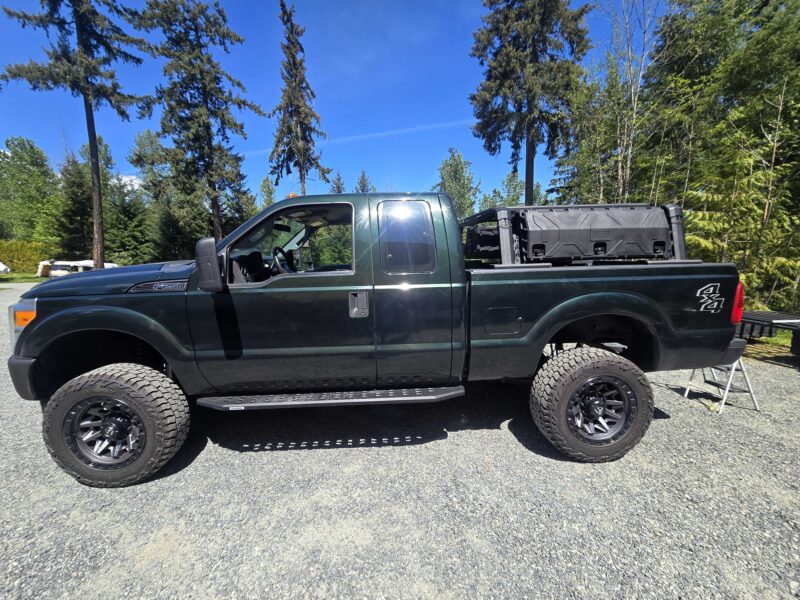
- Ford F-150 — platform racks, bed rack systems
- Toyota 4Runner — strong match for SUV overland builds
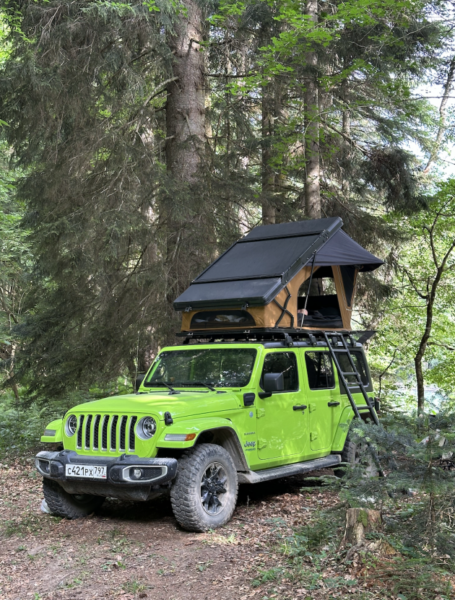
- Jeep Gladiator — popular pairing in the off-road community
- Most overland-spec SUVs — provided rack ratings are confirmed
The critical thing: always verify your rack’s dynamic load rating before purchase.
The dynamic load rating — not the static rating — is what matters for driving. A rack rated for 150 lbs static may only support 75 lbs dynamic. Know your numbers before you commit.
Outland XL™ vs. Outland Compact™: Which One Is Actually Right for You?
Since these two tents often come up together, here’s the honest breakdown:
Choose the Compact if:
- You’re primarily solo or running very light with one other person
- Weight and vehicle profile are a priority
- You don’t camp in extended bad weather
- You want the smallest possible footprint on your rig
Choose the XL if:
- You travel with a partner and want real space
- You camp in shoulder seasons with extended bad weather periods
- You occasionally bring kids or a third person
- You want the kind of comfort that makes longer missions genuinely enjoyable
- You’re willing to trade a bit of weight for significantly better livability
The Compact is a great tent. But for overlanders doing serious multi-day trips with a partner — especially in Canadian conditions — the XL’s extra square footage pays off quickly.
Real Scenarios Where the XL Makes Sense
Vancouver Island, April
You’re running the backroads between Port Renfrew and Lake Cowichan. Rain starts at noon and doesn’t stop. By the time you hit camp, everything outside is wet.
The Outland XL™ opens in under two minutes. Your bedding is dry inside the shell. You’re in camp — actually comfortable — while someone with a soft shell is still wrestling a wet rainfly.
Banff Backcountry Access Roads, September
Overnight temps are dropping into single digits. Wind is picking up on the ridge where you’ve parked.
The rigid shell handles the wind load cleanly. Elevated sleeping keeps you off cold, damp ground. Proper insulation layering inside keeps the sleep system comfortable. You wake up feeling like you actually rested.
Northern Ontario Crown Land, Long Weekend
You’re moving camp three times in four days. Every morning counts.
Hard shell speed turns pack-up into a non-event. You’re moving earlier, covering more ground, and spending more time doing what you’re actually there to do.
Accessories Worth Building Into Your Setup
The Outland XL™ is strong on its own, but these additions push it further for serious overlanding:
Anti-Condensation Mat — Not optional for Canadian spring and fall. Condensation buildup underneath the mattress is a real issue; this solves it.
Large Awning — Creates a sheltered outdoor workspace. Cooking, gear management, and weather waiting all become significantly easier.
Annex Room — Adds changing space, storage, or shelter for a dog. More useful than it sounds on longer trips.
LED Lighting Kit — Practical for late arrivals and early mornings at remote sites without ambient light.
Insulation Layer — If you’re pushing into genuine four-season use, an interior insulation layer is worth the investment.
So Is the Outland XL™ the Right Call?
Here’s the honest answer:
If you’re an overlander who:
✔ Runs multi-day trips, not just weekend car camping
✔ Travels with a partner or occasional third person
✔ Deals with real Canadian weather, not just ideal conditions
✔ Values camp efficiency after long days on trail
✔ Wants hard shell durability without climbing into premium aluminum pricing
— then yes, the Outland XL™ makes a strong case for itself.
It’s not trying to be the lightest option. It’s not chasing the premium aluminum market. What it does is deliver genuine overlanding comfort, real weather protection, and fast setup in a package that’s accessible and practical for the way most Canadian overlanders actually camp.
And in a market full of tents that either compromise on space or compromise on price — that balance is genuinely hard to find.
FAQs for Overlanders
Can it handle four-season Canadian use?
Yes, with proper bedding and insulation additions. The 2500 mm rated canvas and Oxford rainfly handle real weather well. Anti-condensation mat and an insulation layer are recommended for cold-season use.
How fast is setup, really?
Under 2 minutes from parked to ready. Latch release, shell lift, ladder extend. That’s it.
Will bedding actually stay dry inside?
Yes. The ABS hard shell keeps interior contents protected during travel. Most bedding stays clean and dry between camps.
Does it work on my truck or SUV?
Likely yes — but confirm your rack’s dynamic load rating first. That’s the number that matters for driving, not static capacity.
Is ABS tough enough for rough overlanding?
Absolutely. ABS construction is impact-resistant, rigid, and proven in demanding environments. It’s not a liability on the trail.
How does it compare to aluminum hard shells?
Aluminum hard shells are typically lighter and more premium, but significantly more expensive. The Outland XL™ delivers comparable convenience and strong weather protection at a more accessible price point — which is exactly the trade-off many overlanders find practical.