

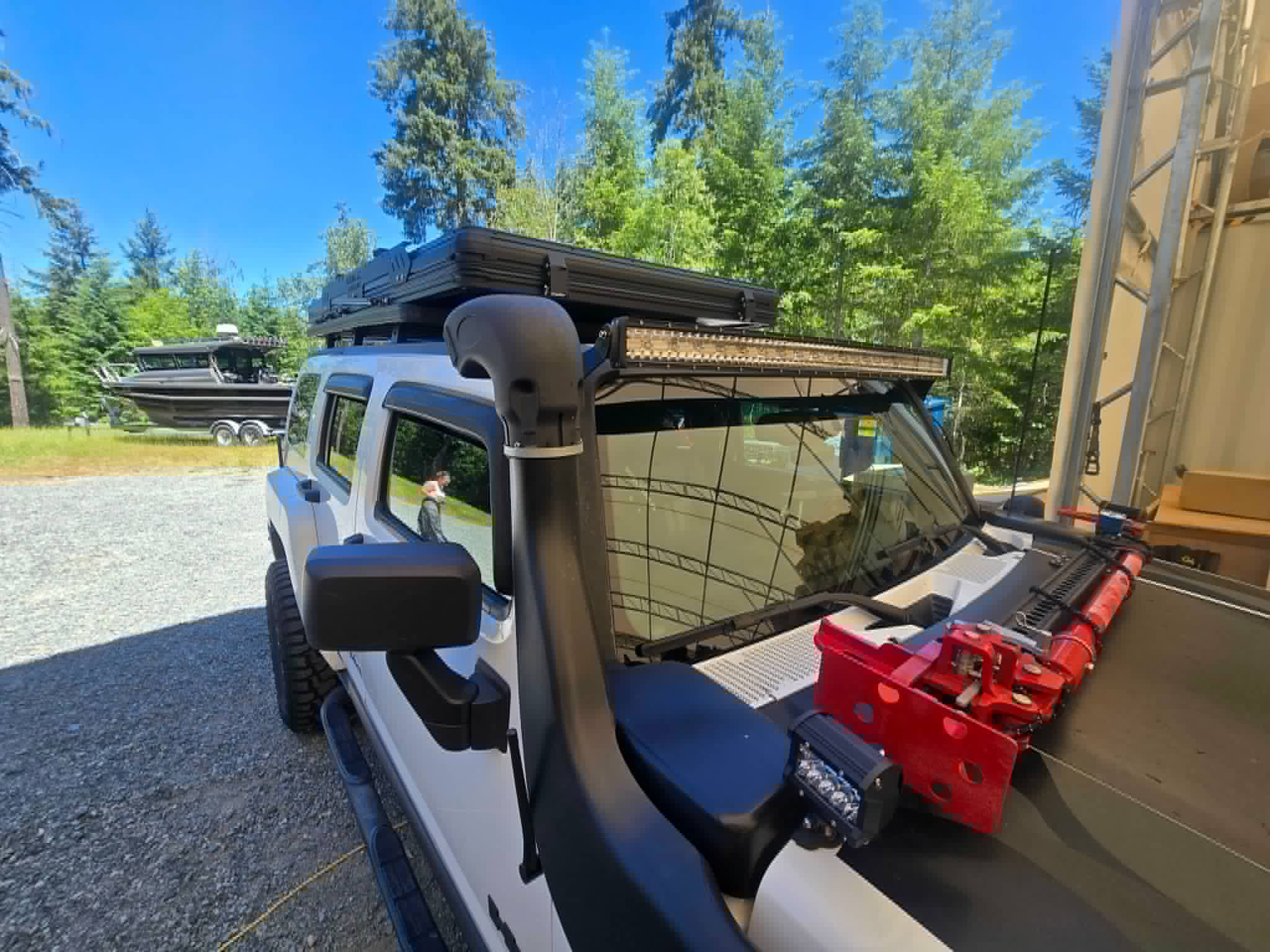
Whether you’re planning weekend camping trips around Vancouver Island, heading into the backroads of the Cariboo, or preparing for a multi-day overland expedition through British Columbia, one accessory quickly becomes indispensable: a quality roof rack.
Many people purchase a roof rack simply because they need extra cargo space. However, choosing the wrong system can lead to poor vehicle handling, unnecessary wind noise, limited compatibility with future accessories, or even safety concerns caused by exceeding weight limits.
The right roof rack should do more than carry gear—it should become the foundation of your entire adventure setup.
This guide explains everything Canadian drivers should know before purchasing a roof rack, including the different styles available, compatibility considerations, load ratings, common mistakes, and how to choose a system that grows with your adventures.
Why a Roof Rack Is One of the Best Overland Upgrades
One of the first challenges overlanders encounter is limited storage space.
Camping equipment, recovery gear, extra fuel, water, and outdoor recreation equipment quickly consume interior cargo space, making long trips uncomfortable.
A properly selected roof rack solves this problem by allowing bulky equipment to ride securely outside the cabin while keeping essential gear organized.
Benefits of Installing a Roof Rack
A quality roof rack offers several advantages:
- Increases cargo capacity
- Frees up interior passenger space
- Supports rooftop tents and roof platforms
- Carries bikes, kayaks, skis, and paddleboards
- Creates a modular foundation for future upgrades
- Improves organization for extended trips
Rather than treating a roof rack as a single-purpose accessory, experienced overlanders view it as the backbone of their vehicle’s storage system.
Understanding the Different Types of Roof Racks
Not all roof racks are built for the same purpose.
Choosing the correct style depends on how you travel and what you intend to carry.
Crossbars
Crossbars are the most common entry-level solution.
They provide two or more horizontal mounting points for accessories such as:
- Cargo boxes
- Bike carriers
- Kayak carriers
- Ski racks
- Smaller rooftop tents
Crossbars are ideal for occasional outdoor adventures and everyday practicality.
Best For
- Daily drivers
- Family camping
- Weekend adventures
- Seasonal recreation
Roof Platforms
Roof platforms provide a nearly full-length mounting surface.
Instead of attaching individual accessories to two bars, equipment can be mounted almost anywhere across the platform.
Benefits include:
- Greater versatility
- Improved load distribution
- Multiple accessory mounting options
- Better support for larger loads
Roof platforms are especially popular among serious overlanders because they grow with your needs.
Basket-Style Roof Racks
Roof baskets feature raised sides that help contain loose cargo.
They’re useful for:
- Firewood
- Storage bags
- Camping totes
- Lightweight gear
While practical, baskets generally offer less flexibility than modular roof platforms.
Vehicle Compatibility Matters
One of the biggest misconceptions is that all roof racks fit all vehicles.
They don’t.
Before purchasing, confirm:
- Vehicle make
- Model
- Year
- Roof style
- Factory rails (if equipped)
- Mounting points
- Maximum roof load
Even two vehicles from the same manufacturer may require different mounting systems.
Dynamic vs Static Load Ratings
This is one of the most misunderstood aspects of roof racks.
Dynamic Load
Dynamic load refers to the amount of weight your roof can safely support while driving.
This includes:
- Rack weight
- Accessories
- Cargo
Driving over rough roads places additional forces on your roof, making dynamic limits especially important.
Static Load
Static load applies when the vehicle is parked.
Because the vehicle isn’t moving, the roof can generally support substantially more weight.
This allows rooftop tents to safely support sleeping occupants while stationary, provided both the vehicle and rack system are designed for the intended use.
Always follow the load ratings provided by the vehicle manufacturer and roof rack manufacturer.
What Will You Carry?
Before buying a roof rack, think about your future adventures—not just your next trip.
Ask yourself:
- Will you eventually install a rooftop tent?
- Do you carry kayaks?
- Do you mountain bike?
- Will you add recovery boards?
- Do you travel with storage cases?
- Will your setup evolve over time?
Buying for tomorrow often prevents expensive upgrades later.
Roof Rack Materials
Most premium roof racks are built from either steel or aluminum.
| Material | Advantages | Considerations |
| Aluminum | Lightweight, corrosion resistant, ideal for overlanding | Generally higher cost |
| Steel | Durable and often more affordable | Heavier and may require more maintenance |
For many Canadian overlanders, aluminum provides an excellent balance between strength, weight, and corrosion resistance, especially in coastal environments where road salt and moisture can accelerate corrosion.
Wind Noise and Fuel Economy
Every roof rack changes your vehicle’s aerodynamics to some degree.
To reduce wind noise:
- Remove unused accessories.
- Secure loose straps.
- Keep cargo low-profile.
- Choose streamlined designs where possible.
Although fuel economy may decrease slightly with additional roof-mounted equipment, thoughtful packing and minimizing unnecessary loads can help reduce the impact.
Real-World Example
Imagine you’re planning a week-long overland trip through Vancouver Island.
Your equipment includes:
- Camping gear
- Recovery boards
- Portable awning
- Folding chairs
- Storage boxes
A pair of crossbars may accommodate some of these items, but a roof platform provides greater flexibility, easier organization, and additional mounting options as your adventure setup expands.
Selecting the right system from the outset reduces the need for future upgrades and helps keep your equipment secure on rough forest service roads.
Common Roof Rack Buying Mistakes
Avoid these common pitfalls.
| Mistake | Better Approach |
| Buying solely based on price | Consider long-term durability and compatibility |
| Ignoring roof load limits | Verify vehicle and rack ratings before loading |
| Choosing for today’s gear only | Plan for future accessories |
| Overloading the roof | Pack heavy items lower in the vehicle |
| Skipping installation checks | Regularly inspect mounting hardware |
Practical Packing Tips
A well-organized roof rack improves safety and accessibility.
Pack Lightweight Items Up High
Store lighter, bulkier gear such as:
- Camp chairs
- Sleeping bags
- Empty storage boxes
- Lightweight tents
Keep dense items lower in the vehicle whenever possible.
Secure Every Item
Even small pieces of equipment can shift on rough roads.
Use:
- Rated tie-down straps
- Locking mounts
- Purpose-built brackets
Recheck all attachments before each day’s drive.
Perform Regular Inspections
Road vibrations can loosen hardware over time.
Before every trip:
- Inspect fasteners.
- Check accessory mounts.
- Confirm straps remain tight.
- Look for corrosion or wear.
A five-minute inspection can prevent costly problems on the trail.
Product Categories Worth Considering
Your roof rack becomes even more useful when paired with compatible accessories.
Popular product categories include:
Roof Platforms
A versatile solution for mounting multiple accessories while maximizing usable roof space.
Crossbars
Ideal for transporting bikes, skis, cargo boxes, and other outdoor equipment.
Rooftop Tents
A popular upgrade for overlanders seeking quick camp setup and elevated sleeping comfort.
Awnings
Provide welcome shade on sunny days and shelter during unexpected summer rain.
Recovery Gear
Recovery boards and related equipment can be securely mounted for easy access when exploring remote roads.
Camping Accessories
Storage cases, mounting brackets, lighting, and organization systems help create a more efficient overland setup.
Expert Recommendations
After countless kilometres exploring British Columbia’s backroads, one lesson consistently stands out: purchase the roof rack that matches the adventures you expect to have in the next several years—not just the gear you own today.
A modular roof platform often offers the greatest long-term value because it adapts as your needs evolve. Whether you’re adding a rooftop tent, carrying bikes, or expanding your camping equipment, a flexible system helps avoid replacing your entire setup down the road.
Just as important, resist the temptation to maximize roof weight. Keeping heavy equipment lower in the vehicle improves stability, handling, and overall driving confidence, particularly on uneven forest service roads.
Frequently Asked Questions
What type of roof rack is best for overlanding?
A modular roof platform is often the preferred choice because it supports a wide range of accessories and adapts easily as your setup grows.
Can any vehicle have a roof rack installed?
Many vehicles can accommodate a roof rack, but compatibility depends on the make, model, year, roof design, and available mounting points.
What’s the difference between a roof rack and a roof platform?
Crossbar-style roof racks provide limited mounting points, while roof platforms offer a larger, more versatile surface for carrying gear and mounting accessories.
How much weight can a roof rack hold?
The safe load depends on both the vehicle manufacturer and the roof rack system. Always follow the published dynamic and static load ratings.
Are roof racks suitable for everyday driving?
Yes. Roof racks are designed for daily use, although removing unused accessories can help reduce wind noise and improve fuel efficiency.
Is professional installation recommended?
While some systems are designed for DIY installation, professional fitting can help ensure correct alignment, secure mounting, and safe operation—especially for more complex overland setups.
Conclusion
Choosing the right roof rack is about more than adding storage space—it’s about building a dependable foundation for every adventure. Whether you’re planning weekend escapes, cross-country road trips, or serious overland expeditions across British Columbia, the right system makes your vehicle more capable, organized, and ready for whatever lies ahead.
Take the time to understand your vehicle’s limitations, think about how your gear needs may evolve, and invest in a solution that supports your long-term goals.
If you’re unsure which roof rack or roof platform best suits your vehicle, visit Kermode Overland or contact the team for expert guidance. Their experience with Canadian overlanding conditions can help you choose a setup that’s built for years of adventure.