
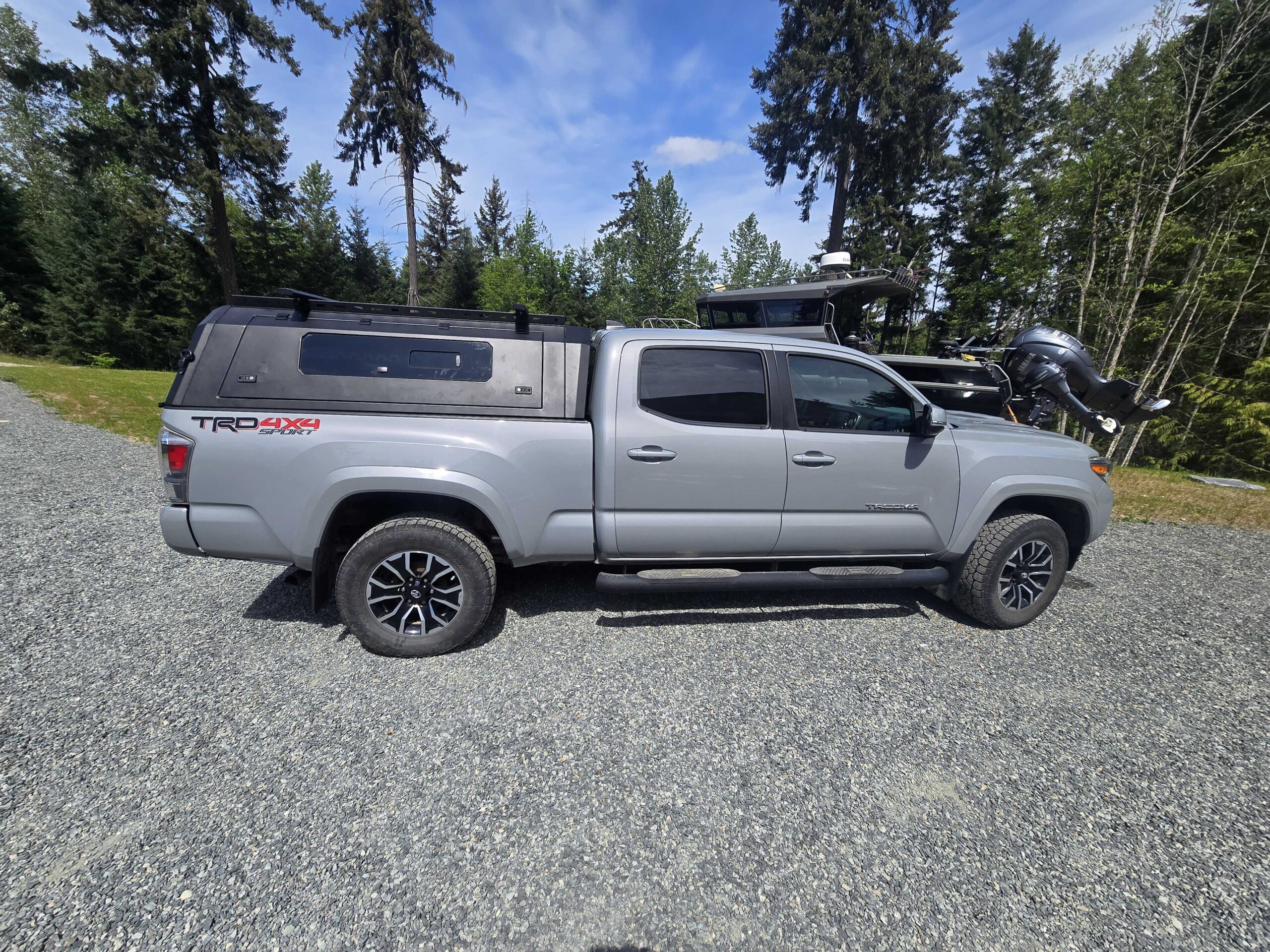
For Canadian overlanders, May Long Weekend isn’t just another holiday.
It’s the unofficial start of the season.
After months of snow, rain, winter storage, and dreaming about dirt roads again, Victoria Day weekend is when rigs come back to life. Roof tents reopen. Recovery gear gets unpacked. Campsites fill up. Trucks hit logging roads again. And overlanding season officially begins across Canada.
But here’s the truth most people learn the hard way:
The May Long Weekend can either become:
- the perfect kickoff trip
or - a chaotic disaster filled with broken gear, overcrowded campsites, bad weather, and forgotten essentials.
Because spring overlanding in Canada is unpredictable.
You can experience:
- sunshine and 20°C afternoons
- coastal rainstorms
- muddy forest service roads
- overnight freezing temperatures
- snow at elevation
—all in the same weekend.
The experienced overlanders know this.
And they prepare differently.
This guide breaks down exactly how Canadian overlanders kick off the season right — from vehicle prep and rooftop tent setups to route planning, camping systems, gear organization, and avoiding the biggest mistakes people make every May long weekend.
Whether you’re running a truck overland build, an SUV rooftop tent setup, or just getting into truck camping setup ideas for the first time, this playbook will help you start the season properly.
Why May Long Weekend Is Different From Summer Camping
A lot of people treat May Long like mid-summer camping.
That’s a mistake.
Spring overlanding conditions in Canada are completely different from July or August.
What Makes Victoria Day Weekend Challenging?
1. Weather Changes Fast
Canadian spring weather is unstable.
Especially in:
- British Columbia
- Alberta
- Northern Ontario
- mountain regions
You can go from:
- warm sunshine
to - cold rain and mud
within hours.
2. Campsites Are Busy
Victoria Day weekend is one of the busiest outdoor weekends of the year.
That means:
- crowded campgrounds
- packed recreation sites
- busy logging roads
- limited space
Experienced overlanders often avoid popular destinations entirely.
3. Winter Damage Shows Up
May is when hidden issues appear:
- loose rack bolts
- dead batteries
- mold in rooftop tents
- damaged recovery gear
- leaking awnings
A proper preseason inspection matters.
The Best Canadian Overlanders Think in Systems
The biggest difference between beginner and experienced overlanders?
Systems.
New campers buy random gear.
Experienced overlanders build setups where:
- storage works together
- shelters deploy quickly
- gear stays organized
- camp setup becomes effortless
That matters even more during unpredictable spring trips.
Step 1: Prep Your Vehicle Before the Weekend
This sounds obvious.
But most people don’t do it properly.
Overland Vehicle Maintenance Checklist
Before your first trip of the season, inspect:
Truck Bed Racks & Roof Racks
Check:
- loose bolts
- rust
- mounting brackets
- crossbar spacing
- load ratings
Winter vibration and freeze-thaw cycles loosen hardware constantly.
Tires
Spring roads are rough.
Inspect:
- tread wear
- tire pressure
- sidewall damage
- spare tire condition
Mud season destroys weak tires fast.
Fluids & Battery
Cold winters are hard on:
- batteries
- coolant
- oil
- washer fluid
The worst place to discover a weak battery is deep in the backcountry.
Recovery Gear
Inspect:
- recovery straps
- shackles
- traction boards
- compressors
- jacks
Mud season recovery is extremely common during May Long trips.
Step 2: Rooftop Tent Maintenance Before the First Trip
If you’re running rooftop tent setups, this step matters a lot.
Especially in Canada.
Rooftop Tent Maintenance Canada Checklist
Air It Out
After winter storage:
- fully open the tent
- let the mattress breathe
- remove trapped moisture
Skipping this is how mildew starts.
Check Mounting Hardware
Inspect:
- tent brackets
- mounting rails
- bolts
- ladder hardware
A rooftop tent should never shift during driving.
Waterproofing Inspection
Check:
- seams
- rainfly
- zippers
- shell seals
Spring rain exposes weak weatherproofing immediately.
Bedding Setup
Modern hard-shell rooftop tents often allow bedding to stay inside.
That:
- speeds up setup
- reduces packing stress
- improves overall camp efficiency
And honestly, fast setup matters when it’s raining sideways.
Step 3: Choose the Right Setup for Spring Conditions
This is where a lot of people overcomplicate things.
The best May Long setups are usually:
- simpler
- lighter
- faster
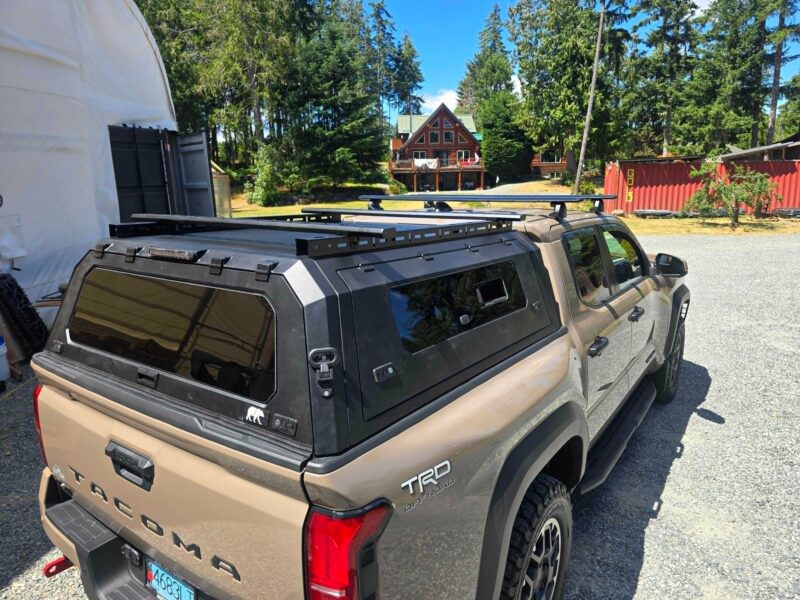
The Best Truck Overland Build Setups for Spring
Truck builds work well because they offer:
- modular storage
- stronger load handling
- better gear separation
- canopy compatibility
A good truck overland build can transition between:
- daily driving
- camping
- backcountry travel
without major compromise.
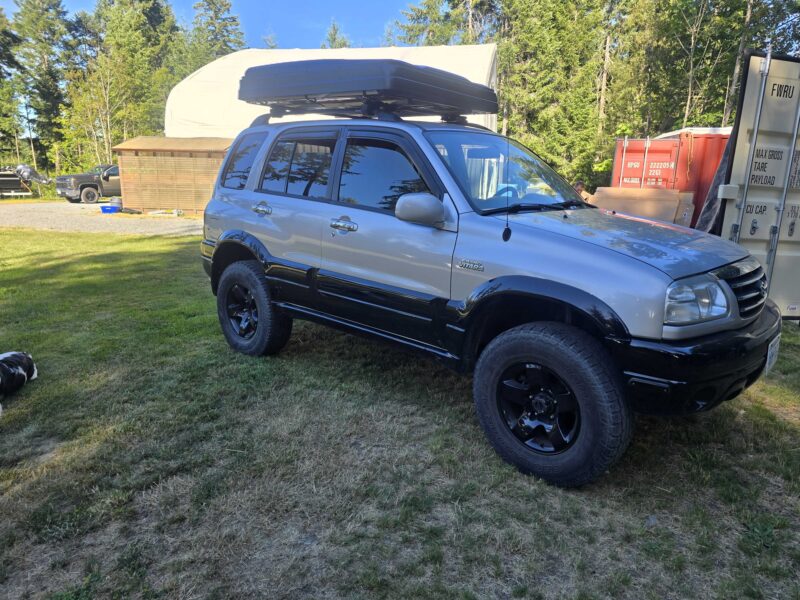
SUV Rooftop Tent Setup Tips
SUV builds are incredibly capable when built correctly.
But weight management matters more.
Prioritize:
- lightweight rooftop tents
- low-profile racks
- efficient storage systems
Overloading an SUV kills handling and fuel economy quickly.
Truck Camping Setup Ideas That Actually Work
The best truck camping setup ideas focus on:
- accessibility
- weather protection
- organization
- simplicity
Not maximum accessories.
The goal is:
👉 easier trips
not more complicated rigs.
Step 4: Plan Your Route Properly
This is where beginners usually fail.
#1: Overplanning
People try to cover:
- too much distance
- too many campsites
- too many destinations
Victoria Day traffic makes that miserable.
Experienced overlanders:
- choose fewer stops
- build flexibility
- avoid rushing
Mistake #2: Ignoring Seasonal Closures
Many forestry roads remain:
- snow-covered
- washed out
- gated
well into May.
Always check:
- local forestry reports
- recreation site updates
- avalanche conditions at elevation
Mistake #3: Chasing Popular Spots
Popular campsites become chaotic on May Long.
Some of the best trips happen on:
- lesser-known logging roads
- crown land pullouts
- quieter recreation areas
Step 5: Build a Rain-Ready Camp Setup
Because eventually…
you’re probably getting rain.
Especially on the West Coast.
Why Fast Camp Setup Matters
Nobody enjoys:
- unloading in heavy rain
- struggling with gear
- setting up wet tents
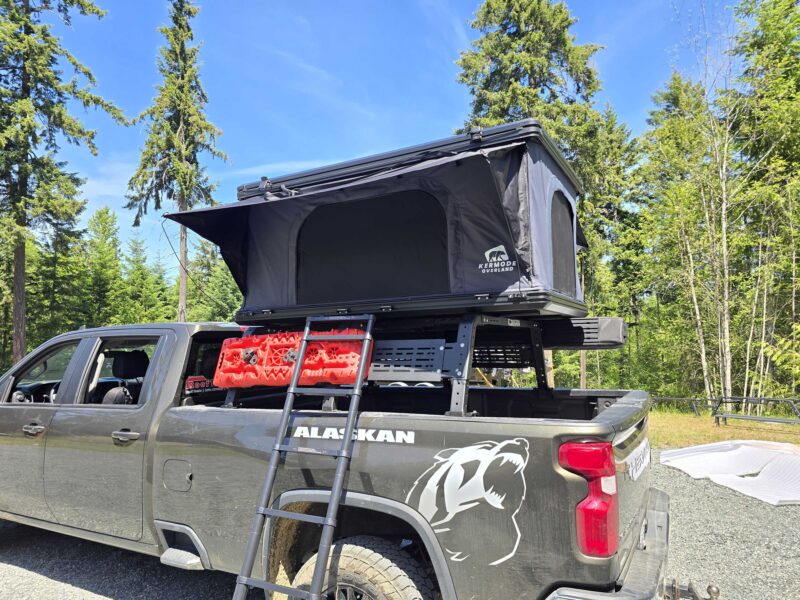
This is why hard-shell rooftop tent setups have become so popular in Canada.
Ideal Spring Camp System
The best spring overlanding setups Canada usually include:
Rooftop Tent
Fast deployment matters.
Hard-shell tents excel here.
Awning
Awnings become your:
- kitchen
- shelter
- gear workspace
during bad weather.
Storage Boxes
Organized storage prevents:
- unpacking chaos
- wet gear
- wasted time
Recovery Access
Recovery gear should always be easy to reach.
Not buried underneath camping gear.
Step 6: Pack Smarter for Canadian Spring Conditions
The best overlanders pack differently in spring.
Because conditions change constantly.
Must-Have Spring Overlanding Gear
Waterproof Layers
Always.
Even if the forecast looks perfect.
Extra Heat Sources
Cold nights still happen in May.
Bring:
- insulated sleeping bags
- extra blankets
- warm layers
Mud Management
Mud season is real.
Bring:
- boots
- ground mats
- recovery boards
- towels
Lighting
Spring nights are still long.
Good camp lighting dramatically improves comfort.
The Best Campsites for May Long Weekend
This depends heavily on your goals.
For Beginners
Choose:
- easier-access recreation sites
- shorter drive distances
- established campgrounds
The goal is learning your setup.
For Experienced Overlanders
Look for:
- crown land routes
- backroad lake access
- logging roads
- dispersed camping
These setups usually avoid crowds better.
Why Canadian Overlanders Are Moving Toward Modular Systems
This trend is growing fast.
And for good reason.
Modern overlanding setups Canada increasingly focus on:
- modular racks
- rooftop tents
- storage systems
- integrated awnings
- canopy systems
because they improve:
- organization
- reliability
- setup speed
The goal isn’t building the biggest rig.
It’s building the most functional one.
Common Mistakes People Make Every May Long Weekend
Bringing Too Much Gear
Overpacking kills efficiency.
Not Testing Gear Before Leaving
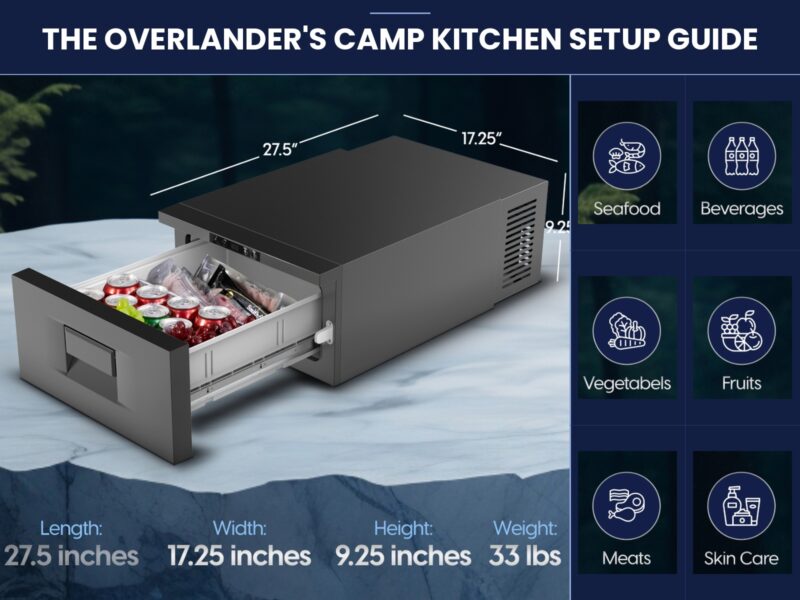
Always test:
- rooftop tents
- fridges
- awnings
- batteries
before departure.
Ignoring Weather Forecasts
Spring weather changes fast.
Prepare for worse conditions than expected.
Building for Instagram Instead of Real Travel
The best rigs prioritize:
- reliability
- comfort
- simplicity
not appearance.
Why Rooftop Tent Setups Continue to Grow in Canada
Because they solve real problems.
A good rooftop tent setup:
- keeps you off wet ground
- speeds up setup
- improves comfort
- works well in muddy terrain
- handles variable weather better
For Canadian spring camping, those advantages matter.
Especially during shoulder season travel.
The Future of Canadian Overlanding Setups
The trend is clear.
Canadian overlanders are moving toward:
- lighter systems
- faster setups
- modular gear
- weather-focused builds
People want rigs that:
- work year-round
- transition easily between trips
- reduce stress at camp
And honestly, that’s the right direction.
Because the best overland trips are rarely about having the most gear.
They’re about:
- freedom
- flexibility
- spending more time outside
without fighting your setup every weekend.
Final Thoughts: The Best May Long Trips Start Before You Leave
The best Victoria Day overland trips aren’t accidents.
They come from:
- preparation
- smart packing
- reliable systems
- realistic route planning
And most importantly:
understanding Canadian spring conditions.
Because once you’re parked beside a lake, under the awning, with camp dialed in and the rooftop tent open…
you stop caring about:
- stress
- notifications
- work
and remember why you built the rig in the first place.
Ready to Kick Off Overlanding Season Properly?
Whether you’re planning:
- your first rooftop tent trip
- a truck overland build
- an SUV rooftop tent setup
- or upgrading your current overlanding system
starting the season with the right gear and preparation changes everything.
Explore rooftop tents, awnings, racks, storage systems, and overlanding gear built for real Canadian terrain, weather, and adventure.