
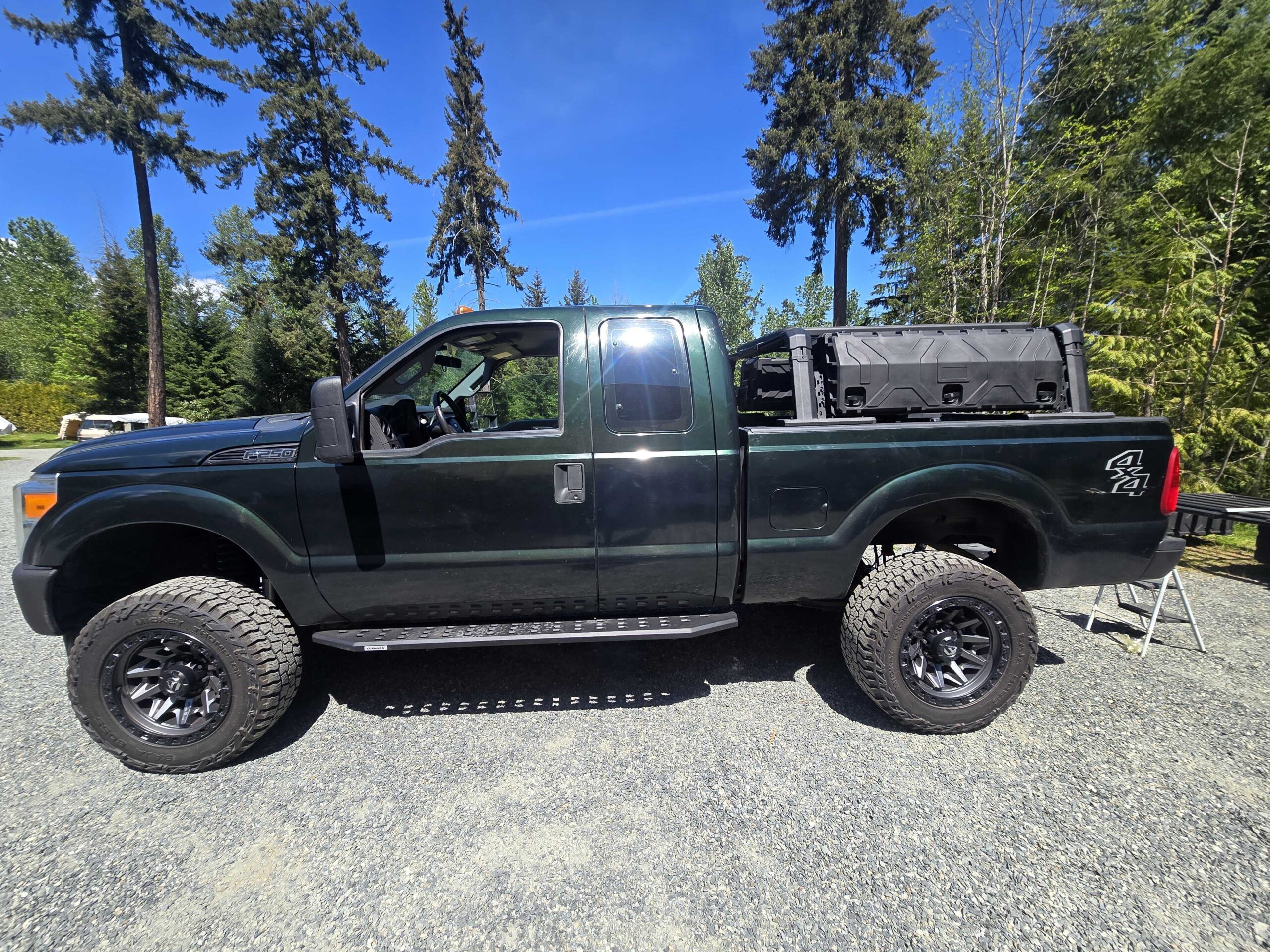
There are places built for overlanding, and then there is Vancouver Island.
Long gravel mainlines disappear into mountain valleys. Coastal roads end at wild beaches. Remote campsites sit beside alpine lakes, old-growth forests, and ocean cliffs that feel untouched. Whether you are planning your first overland weekend or mapping out your next multi-day backcountry escape, Vancouver Island delivers some of the best overlanding in Canada.
But the Island also rewards preparation.
Forest service roads can change overnight. Logging activity is common. Cell service disappears fast. The difference between an unforgettable trip and a stressful one often comes down to the gear you packed and the route you chose.
At Kermode Overland in Nanaimo, we spend a lot of time helping people build rigs for exactly this terrain. These are six Vancouver Island overland routes worth adding to your list, paired with practical advice and the gear that actually earns its place out there.
Before you go, always check local road conditions, respect private forest land closures, and carry a current Backroad Mapbook. Conditions change regularly, especially on logging roads and remote forest service routes.
1. San Josef Bay & Cape Scott: The Remote Coastal Classic
If you want a route that feels like driving to the edge of the map, this is it.
Located near the northern tip of Vancouver Island, the route to Cape Scott Provincial Park and San Josef Bay begins near Port Hardy and stretches west through a combination of paved roads and active logging roads before reaching the trailhead.
The reward? One of the most spectacular beaches on Vancouver Island.
Massive sea stacks rise from white sand beaches. Tide pools stretch along the coastline. The ocean feels endless, and the remoteness is part of the appeal.
Getting there is part of the adventure.
Expect washboard roads, potholes, changing conditions, and stretches that feel truly isolated. Fuel up before leaving Port Hardy, because services disappear quickly.
This route is ideal for:
- Remote camping lovers
- Coastal explorers
- Weekend overlanders wanting a true “off-grid” feel
Gear That Matters Here
Recovery gear + tire repair kit
Rough roads and potholes are exactly why recovery boards, a quality air compressor, and tire repair tools deserve permanent space in your rig.
2. Side Bay: For Experienced Overlanders Who Want Solitude
If San Josef Bay feels remote, Side Bay turns things up another level.
Reached through the north Island logging road network, this area is known for deep isolation, rugged backroads, and almost no infrastructure.
This is not beginner overlanding.
Road access changes frequently depending on forestry operations and weather conditions. Cell service is virtually nonexistent, and some roads may become impassable depending on the season.
What makes Side Bay special is exactly what makes it demanding: very few crowds and genuine wilderness.
This route is ideal for:
- Experienced overlanders
- Self-sufficient travelers
- Those seeking true solitude
Gear That Matters Here
Satellite communicator
When there is no signal and limited traffic, off-grid communication becomes essential, not optional.
Always share your trip plan before heading out.
3. Port Renfrew & Pacific Marine Road: The Best Beginner-Friendly Overland Route
Not every great overland route needs to be rugged.
Port Renfrew and the Pacific Marine Road offer one of the most scenic and approachable overland experiences on Vancouver Island.
The route connects Port Renfrew with Lake Cowichan through towering forests, ocean viewpoints, and iconic old-growth attractions such as:
- Avatar Grove
- Harris Creek Spruce
- Big Lonely Doug
- Sombrio Beach
Much of the main route is paved, making it ideal for newer overlanders or anyone testing a fresh setup before tackling more demanding roads.
The real fun begins on the side roads.
Short gravel detours lead to hidden beaches, camp pullouts, and old-growth groves that feel miles away from civilization.
This route is ideal for:
- First-time overlanders
- Rooftop tent weekends
- Couples and family camping trips
Gear That Matters Here
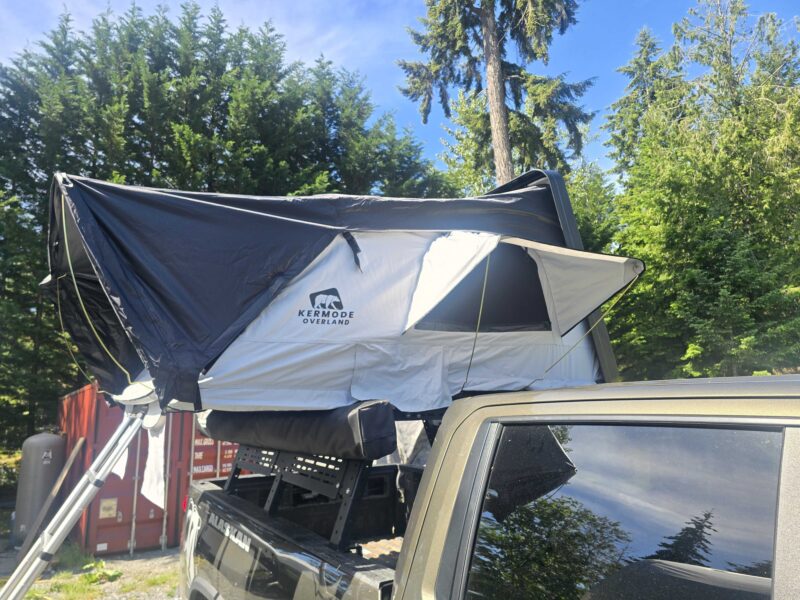
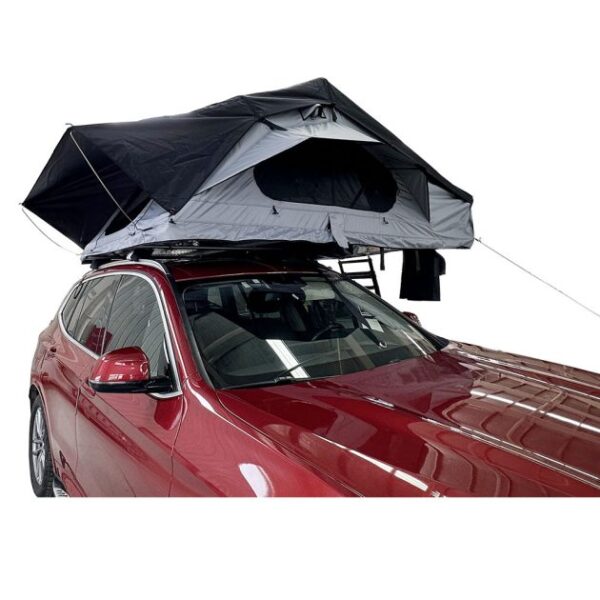
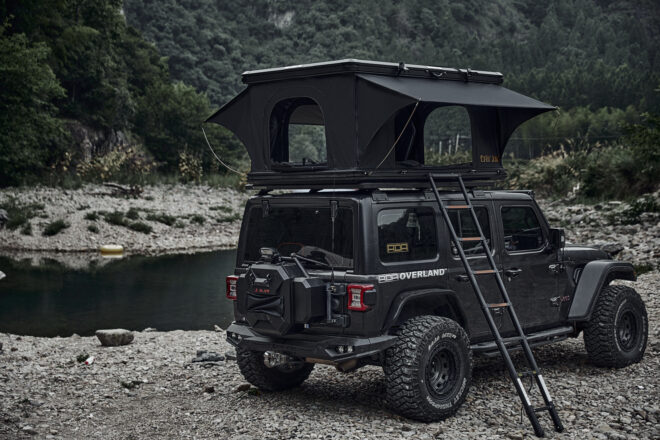
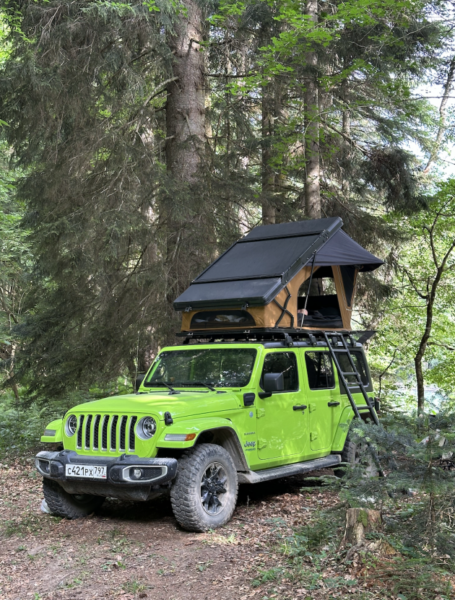
Rooftop tent
Flexible camping makes this route shine. A rooftop tent allows you to stop at scenic pullouts and stay comfortably without complicated camp setup.
4. Strathcona Forest Service Roads: Vancouver Island’s Mountain Playground
If alpine scenery is what you are after, Strathcona deserves a spot near the top of your list.
As Vancouver Island’s oldest provincial park, Strathcona anchors an expansive network of forest service roads leading toward lakes, mountain viewpoints, and rugged terrain.
Depending on your route, you may find:
- Snow-capped peaks
- Alpine lakes
- River crossings
- Challenging gravel roads
This region changes dramatically throughout the year.
Some higher elevations stay snow-covered well into summer, while runoff and washouts can impact road access during wetter periods.
The key here is flexibility.
Smart overlanders always check conditions before heading into the backcountry and know when to turn around.
This route is ideal for:
- Scenic backcountry driving
- Photography trips
- Mountain camping enthusiasts
Gear That Matters Here
Traction boards + proper tires
Soft ground, mud, and changing conditions make proper traction critical.
A capable setup matters more than horsepower out here.
5. Cowichan Lake Loop: The Most Versatile Overland Basecamp
Cowichan Lake is one of Vancouver Island’s most flexible overlanding destinations.
You can keep things simple with lakeside camping and maintained gravel roads, or push farther into rugged territory toward destinations like:
- Carmanah Walbran Provincial Park
- Bamfield
- West Coast backroads
This route works for almost every skill level.
Families can enjoy mellow camping close to the lake, while experienced drivers can venture deeper into rougher terrain.
One thing remains constant: logging trucks.
Many roads in this region are active industrial roads, especially during weekdays. Always drive cautiously and yield appropriately.
This route is ideal for:
- Flexible weekend trips
- Lakeside camping
- Longer overland adventures
Gear That Matters Here
270-degree awning
Cowichan weather changes quickly. A quality awning turns a quick stop into a comfortable basecamp for cooking, relaxing, or escaping sudden rain.
6. Hornby Island: The Relaxed Overland Escape
Sometimes the best trips are the easiest ones.
Hornby Island offers a completely different overlanding vibe. Reached by ferry via Denman Island, this destination is less about recovery gear and more about slowing down.
Expect:
- Relaxed beach camping
- Coastal views
- Quiet roads
- Weekend escape energy
It is the kind of route where the setup matters more than the challenge.
Because ferry schedules and camp reservations can fill up fast during busy periods, planning ahead makes all the difference.
This route is ideal for:
- Long weekends
- Couples trips
- Low-stress camping adventures
Gear That Matters Here
Storage and organization systems
Keeping your rig organized makes ferry travel, beach camping, and quick overnight setups much easier.
Vancouver Island Overlanding: What to Expect Before You Go
No matter where you explore, Vancouver Island has a few constants every overlander should plan for.
Rapidly Changing Weather
Island weather moves fast. Sunshine can become heavy rain within hours, especially near the coast.
Always pack waterproof layers and shelter.
Logging Activity
Many roads are active industrial routes.
Drive cautiously, watch for dust trails, use resource road radio channels where appropriate, and always yield to logging trucks.
Limited Cell Service
Once you leave major towns, signal disappears quickly.
Download offline maps and consider a satellite communicator for remote areas.
Wildlife Encounters
Black bears are common throughout Vancouver Island.
Store food properly, keep camps clean, and follow local wildlife safety practices.
Forest Service Road Conditions
Road access changes frequently due to weather, maintenance, forestry operations, or washouts.
Check reports before heading out.
Essential Vancouver Island Overlanding Gear Checklist
No matter the destination, every overland rig should carry the basics:
✔ Recovery boards
✔ Tire repair kit
✔ Portable air compressor
✔ First-aid supplies
✔ Water and emergency food
✔ Navigation system or Backroad Mapbook
✔ Shelter or sleep setup
✔ Lighting and power solutions
✔ Emergency communication device
Prepared rigs travel farther and stress less.
Get Your Rig Ready at Kermode Overland in Nanaimo
The best Vancouver Island overland trips are rarely about luck.
They come down to preparation.
Whether you are building your first overland setup or upgrading your rig for longer adventures, having the right gear for Vancouver Island terrain makes all the difference.
At Kermode Overland, we help drivers build capable setups for real Island conditions — from rooftop tents and awnings to recovery gear, storage systems, and camping essentials.
Planning your next trip?
Explore our gear lineup online to build a setup ready for wherever Vancouver Island takes you.