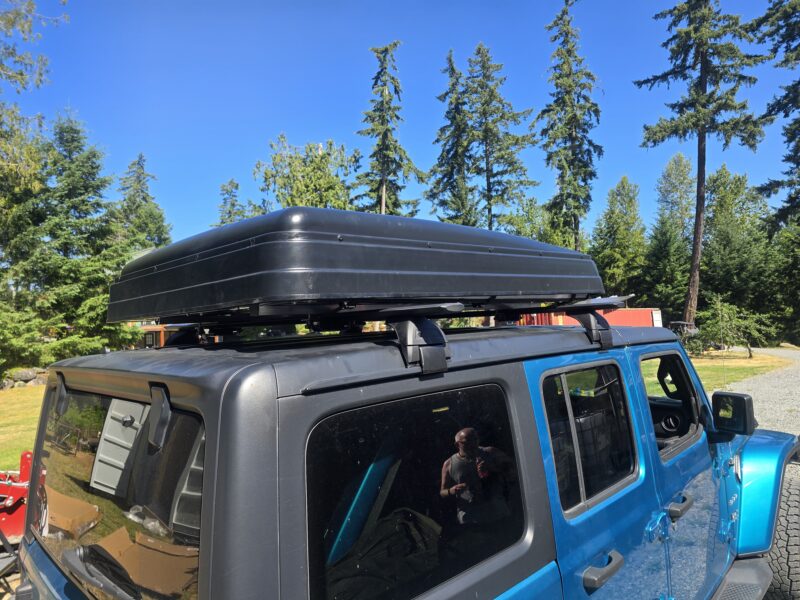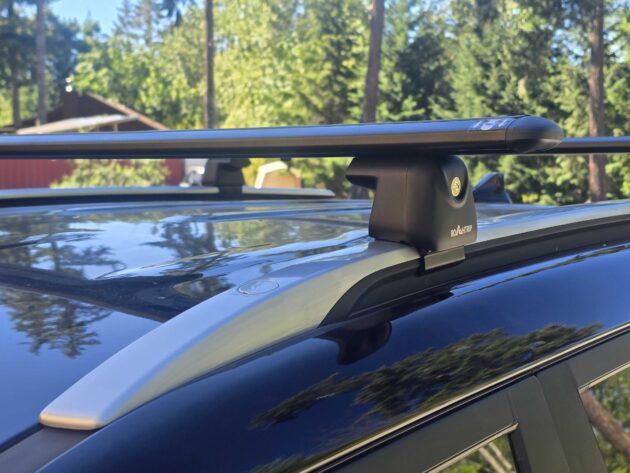

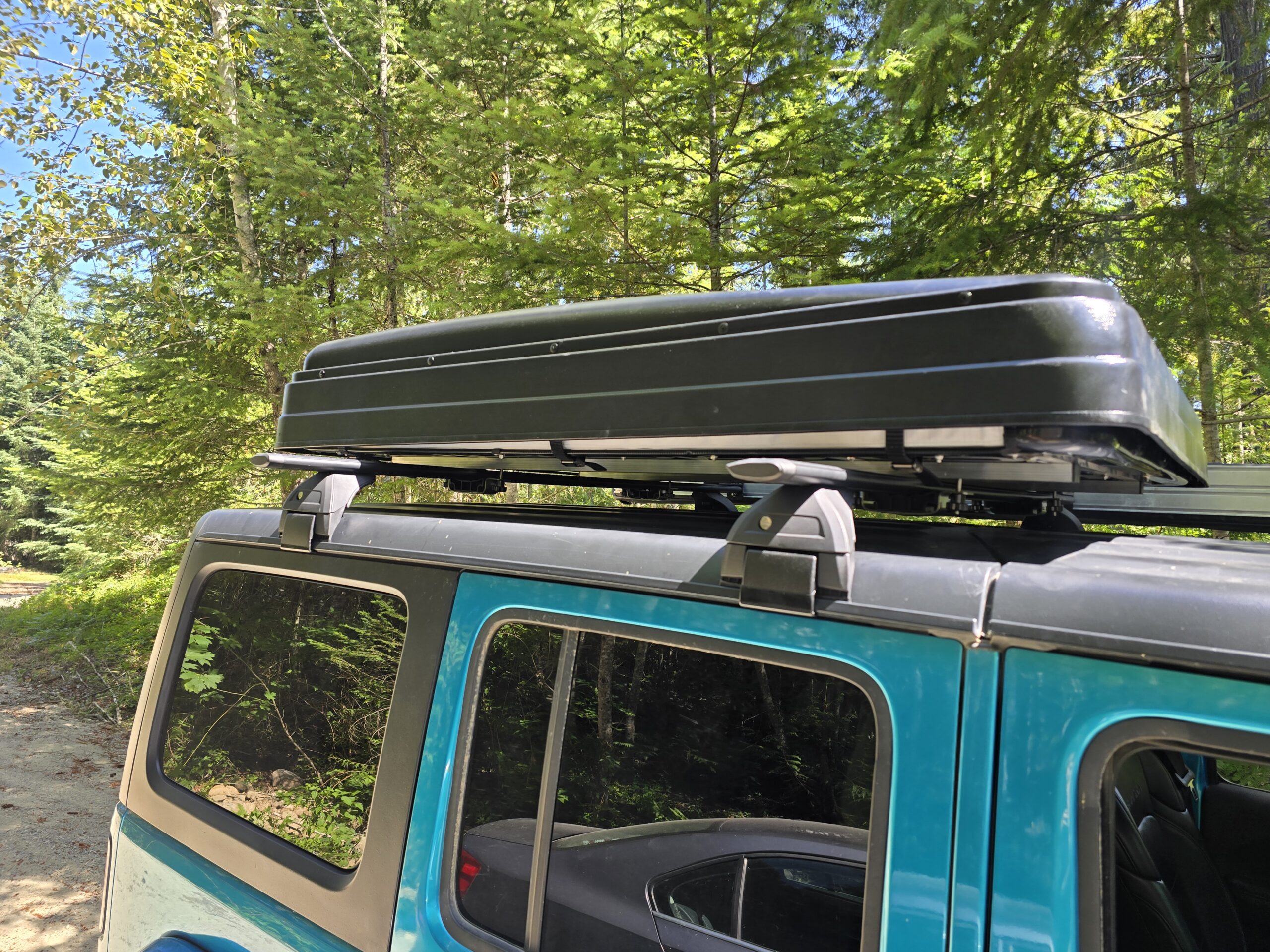
If you’re planning to carry a rooftop tent, cargo box, bikes, or a canopy, cross bars are the foundation everything else sits on. Get the wrong ones and nothing else you buy will fit right. This guide walks through exactly what to check before you spend a dollar.
Start with your roof type
Before you look at brands or price, figure out what your vehicle’s roof actually gives you to work with. There are three common setups:
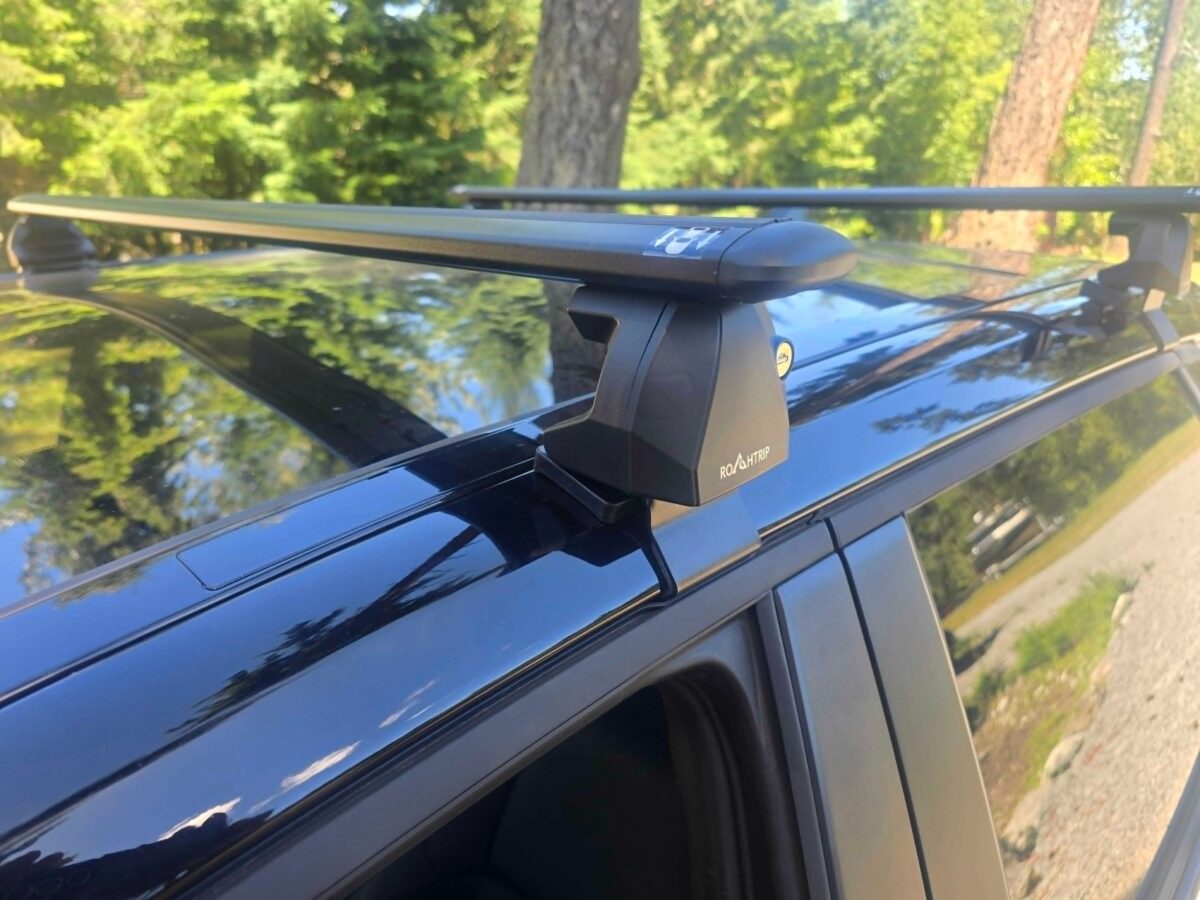
Naked roof — no rails, no factory attachment points, just bare metal (or fixed mounting points hidden under trim)
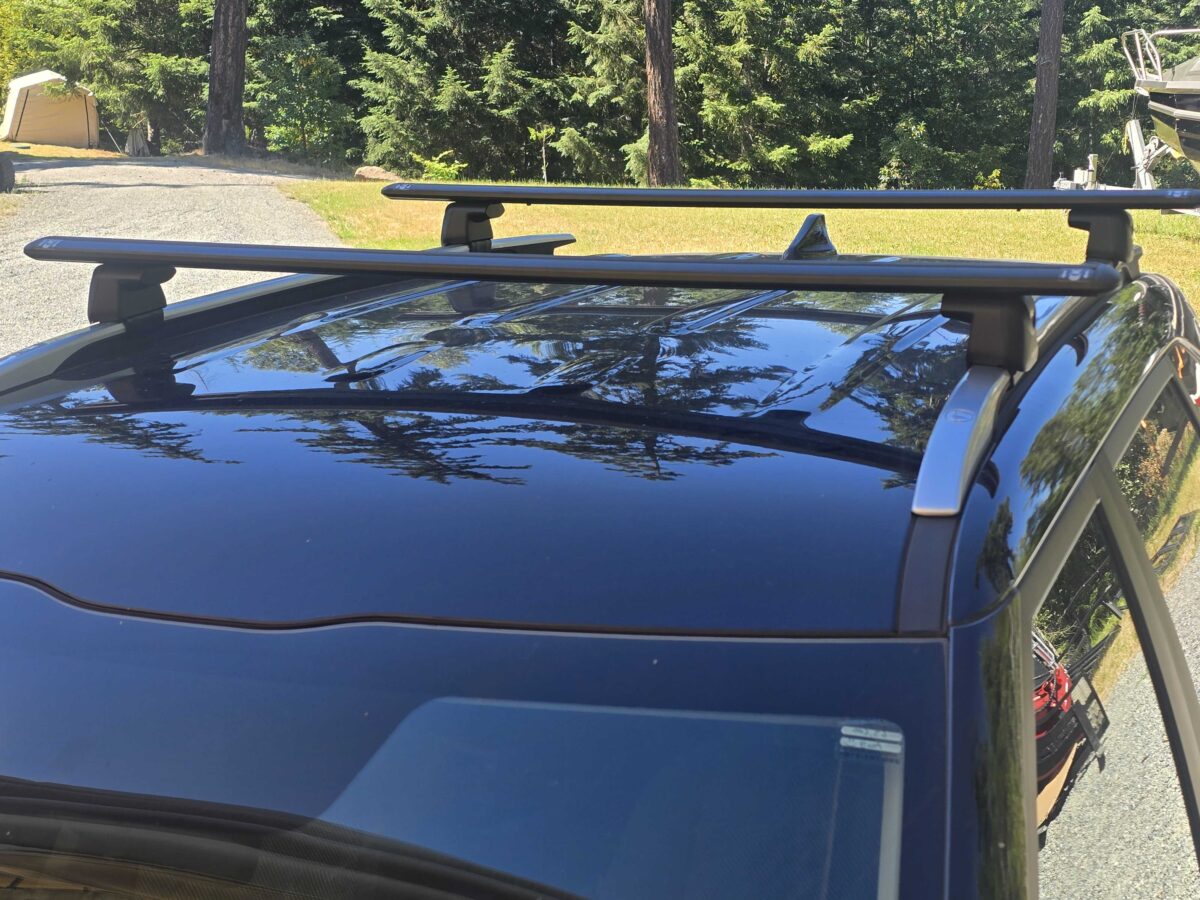
Roof rails (flush or raised) — factory-installed side rails that run front to back
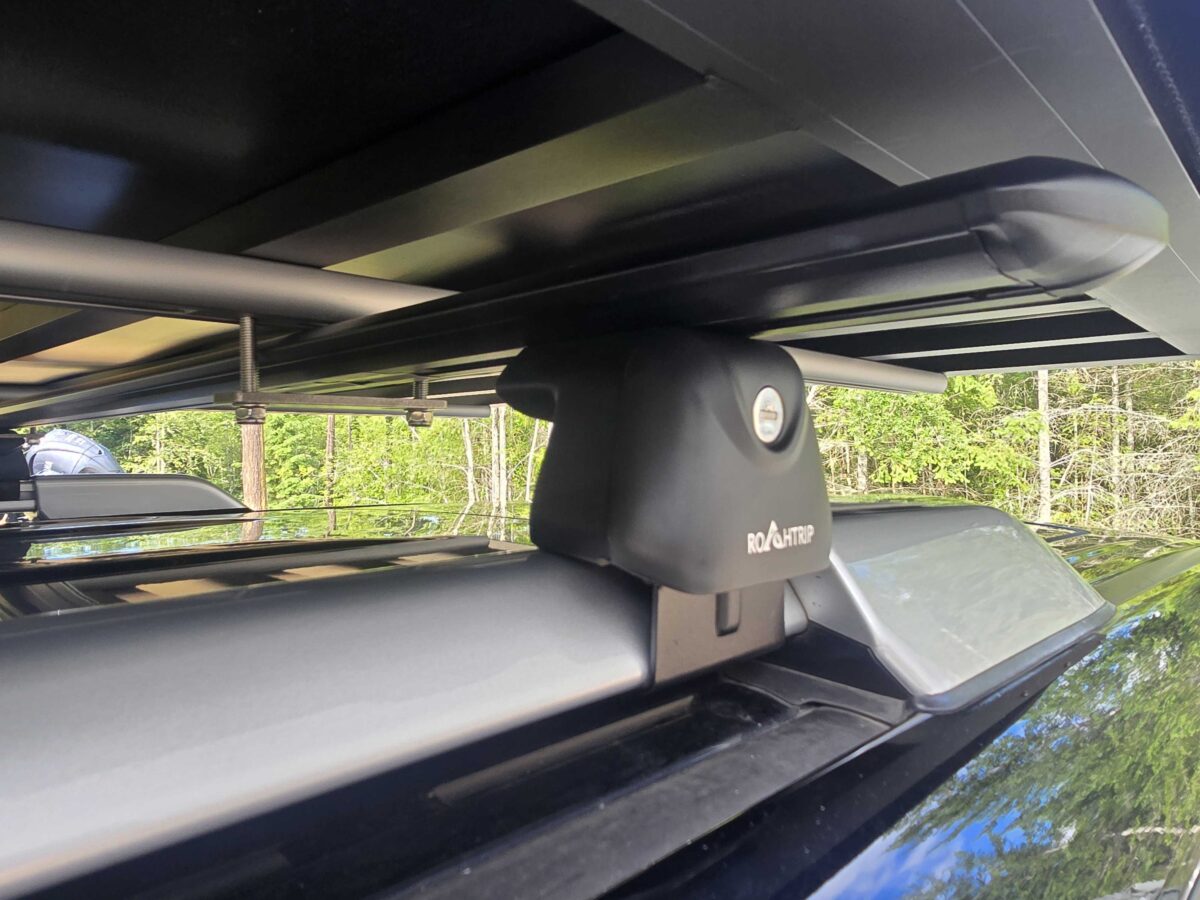
Raised roof rails — rails with a visible gap between the rail and the roof surface
Each one needs a different cross bar system, and they are not interchangeable. We cover each type in detail later in this series — for now, just know that your roof type narrows your options before anything else does.
Check your load rating — dynamic vs static
Every cross bar system has two numbers:
- Dynamic load capacity — what it can safely carry while the vehicle is moving (usually 75–165 lbs total, split across bars)
- Static load capacity — what it can hold while parked (often much higher, sometimes 500+ lbs, relevant for rooftop tents with people inside)
If you’re mounting a rooftop tent, static rating matters most. If you’re hauling gear down the highway, dynamic rating is what keeps you legal and safe. Always check your vehicle’s roof load limit too — cross bars have their own rating, but your roof structure has a separate (usually lower) limit that overrides it.
Material matters more than people think
- Steel — strongest per dollar, heaviest, adds noticeable wind noise and fuel drag
- Aluminum — lighter, quieter, costs more, most common on premium systems
- Aero/wing-shaped bars — aluminum, shaped to cut wind noise and drag, worth it if you drive highway miles regularly
Universal fit vs vehicle-specific
Universal cross bars are cheaper and adjustable, but vehicle-specific systems (matched to your exact make, model, and year) fit tighter, look cleaner, and are far less likely to shift or rattle. If you’re keeping the vehicle long-term or mounting something heavy like a rooftop tent, vehicle-specific is worth the extra cost.
Don’t forget these before you check out
- Locking cores (theft deterrent, worth it)
- Compatibility with your specific accessories (some tent and box brands only clamp onto certain bar shapes — round, square, or aero)
- Whether the bars sit high enough to clear a factory sunroof or moonroof track
- Installation hardware included, or sold separately
Bottom line: identify your roof type first, match your load needs second, then shop material and brand. Skip the order and you’ll end up returning something.
Browse cross bar systems fitted to your exact vehicle at kermodeoverland.com — or reach out and we’ll help you match the right setup before you buy.