
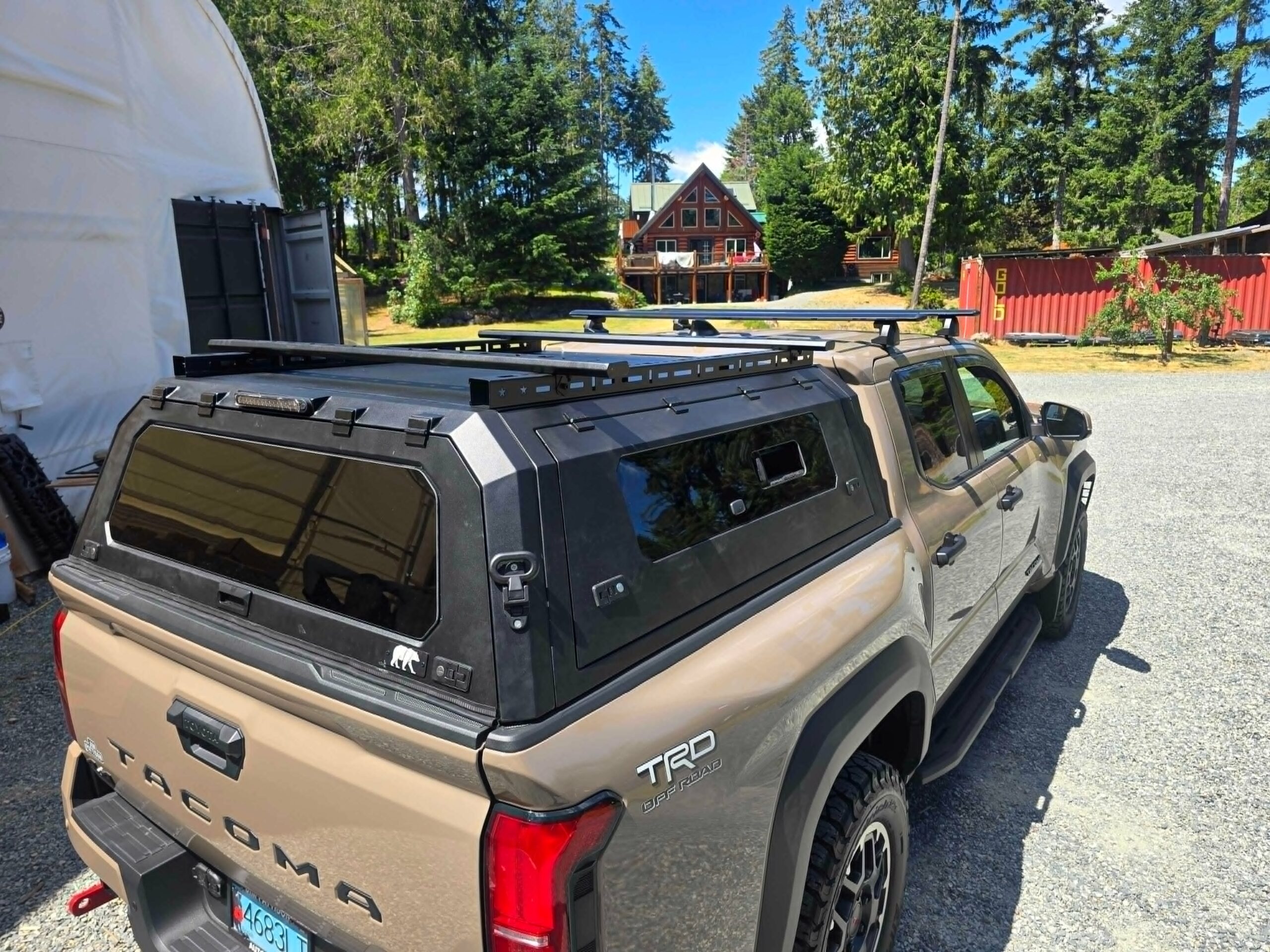
Vancouver Island is overlanding paradise. The network of forest service roads, the access to remote coastline, and the old logging routes winding through the backcountry are incredibly hard to beat. But the same things that make it special—the deep mud, the sheer remoteness, and the highly unpredictable coastal weather—also mean that getting stuck is not a question of if, but when. Spend enough time off the pavement here and at some point your tires will spin and your rig will stop moving.
That moment is perfectly fine if you are prepared, and genuinely stressful if you are not. The difference comes down to the recovery gear in your vehicle and knowing how to use it safely. This guide covers the essentials every Island overlander should carry, why each piece matters, and the safety basics that keep a recovery from going wrong. Think of it as the kit that turns a stuck rig from a crisis into a story you tell later.
Why recovery gear matters more on the Island
A few specific things about Island overlanding make reliable recovery gear completely non-negotiable:
- The terrain is often wet and muddy, which is the classic recipe for getting bogged down.
- Many of the best routes are genuinely remote, with zero cell service and few other vehicles to flag down.
- Help, if you actually need to call for it, can be a long way off and incredibly slow to arrive.
All of this means self-reliance is not optional out here. If you get stuck deep on a forest service road with no signal and no gear, you have a real problem. With the right kit and the knowledge to use it, that exact same situation becomes a manageable bit of routine effort.
The essentials: what to carry in your vehicle
You do not need an enormous, expensive commercial recovery setup to be well prepared. A focused kit of the right items covers the great majority of situations Island overlanders run into.
Traction boards
If you buy just one piece of recovery gear to start, make it a set of high-quality traction boards. They are the most useful, beginner-friendly recovery tool available. When a tire is spinning in mud, sand, or loose ground, you simply dig out a track in front of the tire, wedge the board under it, and slowly drive out on the grip the board provides. They require no second vehicle, no complex rigging skills, and leave very little room for mechanical failure. For the muddy, soft-ground conditions common across the Island, they are close to essential.
A proper kinetic recovery rope
For the times when traction boards are not enough and you have a companion vehicle to help, a kinetic recovery rope lets one rig pull another out safely. Unlike static tow straps, kinetic ropes stretch and store energy under tension, giving a much smoother, gentler pull that is easier on both vehicles’ frames. This is essential gear if you travel with others, and it is a strong reason to head out in a group whenever you can.
Rated recovery points and shackles
Here is a piece people frequently overlook, often with dangerous consequences: you must connect your recovery rope to proper, rated recovery points on the vehicle. You should always use rated shackles—increasingly soft shackles these days for safety—to make these connections.
Critical Safety Warning: Never attach a recovery strap to a standard trailer hitch ball or random parts of the frame. Under the immense loads of a recovery pull, an unrated component can snap, transforming a heavy chunk of metal into a deadly projectile.
Knowing exactly where your vehicle’s rated recovery points are is fundamental. (If you are still figuring out your vehicle’s factory setup, take a step back and read our beginner’s guide to building your first overland rig).
A shovel and basic hand tools
Simple, cheap, and genuinely essential. A sturdy shovel lets you clear mud and debris, dig out around high-centered frames, and properly prepare the ground before sliding your traction boards into place. A huge number of trail backups are solved with nothing more than patient digging and a set of boards. Pair this with a good set of work gloves and a reliable tire pressure gauge, as airing down your tires is one of the quickest ways to instantly multiply your traction on soft ground.
Backup communication
On the Island’s remote logging tracks where cell towers do not reach, having a dedicated way to signal for help in an emergency is part of your safety net. Always carry a reliable satellite communicator alongside a comprehensive first aid kit.
Safety: the part that actually matters most
Recovery gear is only as safe as the person using it, and vehicle recovery under load is genuinely dangerous when done wrong. Straps and ropes under tension store enormous amounts of kinetic energy. If a component fails or an unrated connection detaches, it can snap back with lethal force.
A few absolute rules will keep you safe on the trail:
- Always use rated recovery points and rated shackles—never a tow ball.
- Inspect your gear for fraying or damage before relying on it under heavy loads.
- Keep bystanders well clear of the recovery zone, out of the danger trajectory on either side of the rope.
- Use a recovery damper (or even a heavy damp jacket) draped over the middle of the line during a pull to significantly reduce snap-back danger if something lets go.
- Go slow and think it through. Most trail accidents occur when people rush or improvise under pressure.
Frequently asked questions
What is the most useful recovery item for a beginner?
Traction boards. They handle the muddy, soft-ground stucks that are common on Vancouver Island, require no second vehicle and very little skill, and have very little that can go wrong.
Can I use a regular tow strap for vehicle recovery?
No. Regular tow straps do not stretch and can transmit violent shocks to both vehicles. A kinetic recovery rope is specifically engineered to stretch, providing a smoother, safer pull. You can find options properly rated for your vehicle’s weight class on our recovery gear product pages.
Do I really need recovery gear for easy forest service roads?
Yes. Island weather changes quickly, and an easy gravel road can quickly feature unexpected washouts, deep ruts, or mud pools that catch you off guard, usually far outside of cell service range.
The bottom line
On Vancouver Island, getting stuck is simply part of the territory, and having the right recovery gear is what keeps a temporary slowdown from ruining your entire trip. Focus on getting the high-traction basics right, take care of your safety and communication tools first, and always take your time during a trail extraction.
If you are ready to assemble a backroad-ready kit or want to ensure your vehicle has the right attachment points before hitting the logging routes, the team at Kermode Overland is always here to help. Drop by our contact or shop page to connect with us, and let’s get your rig trail-ready.